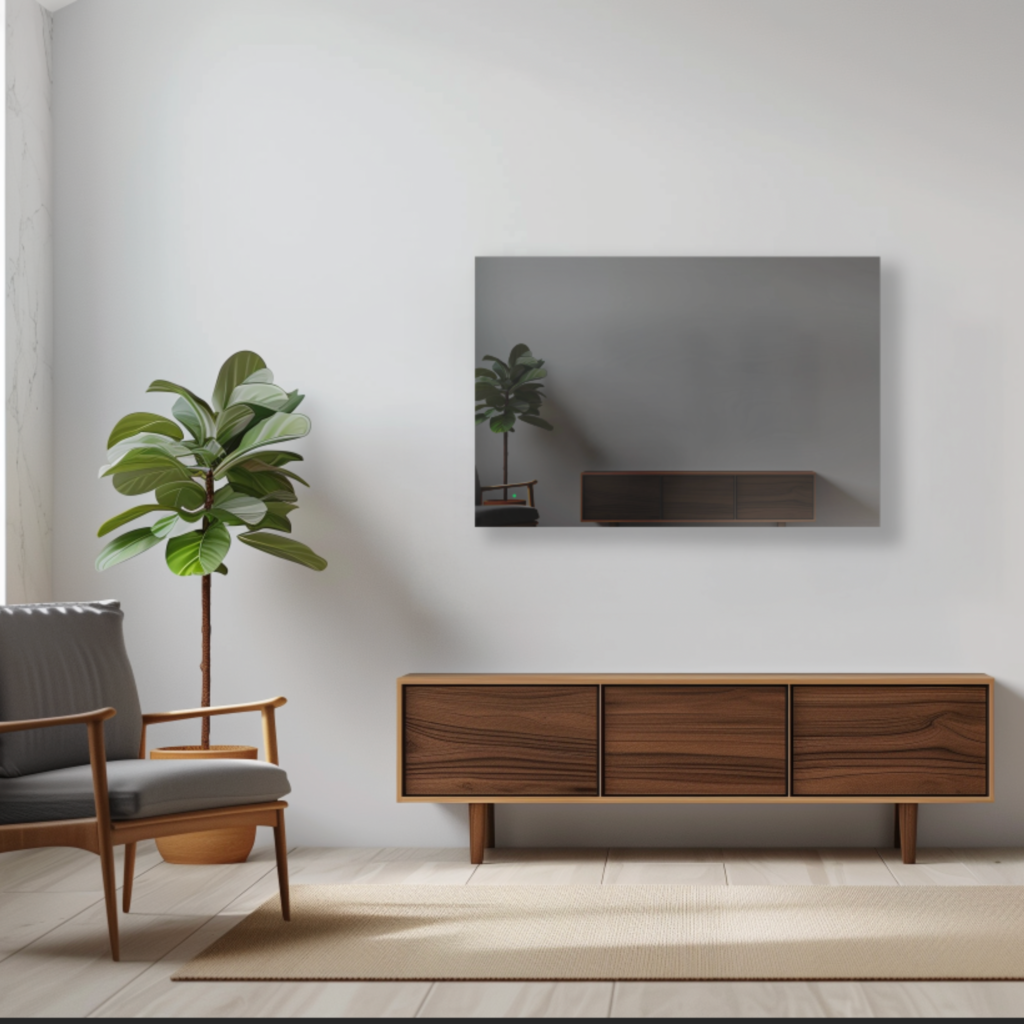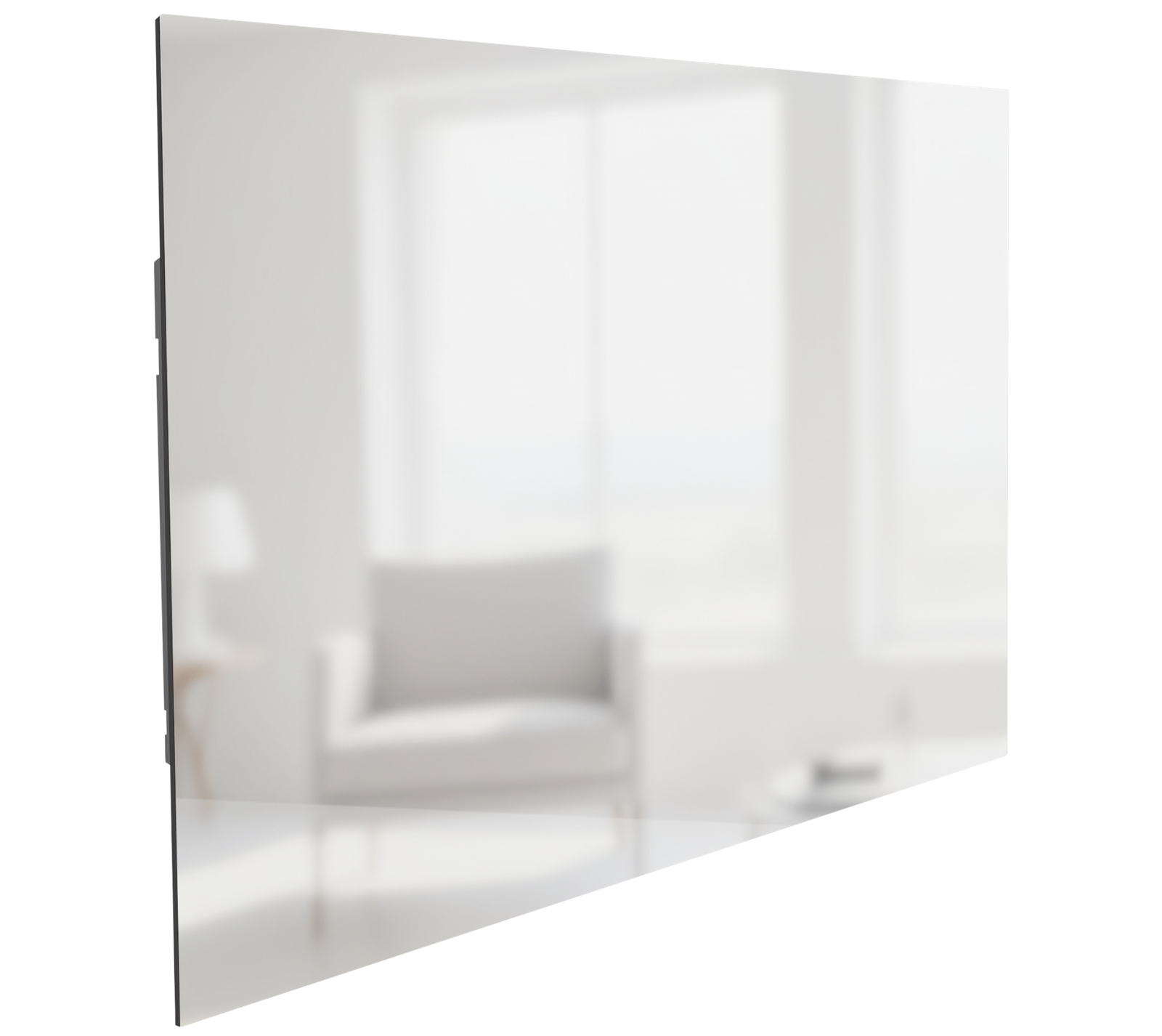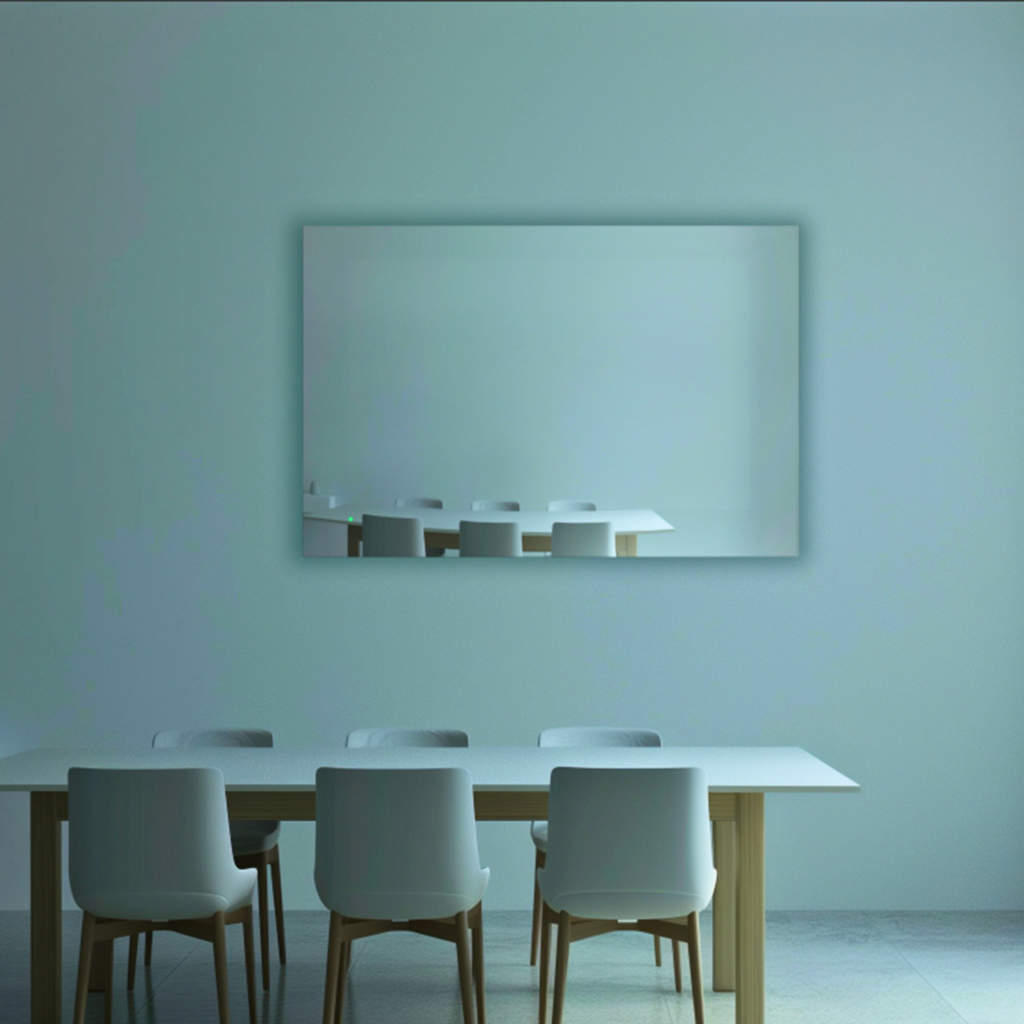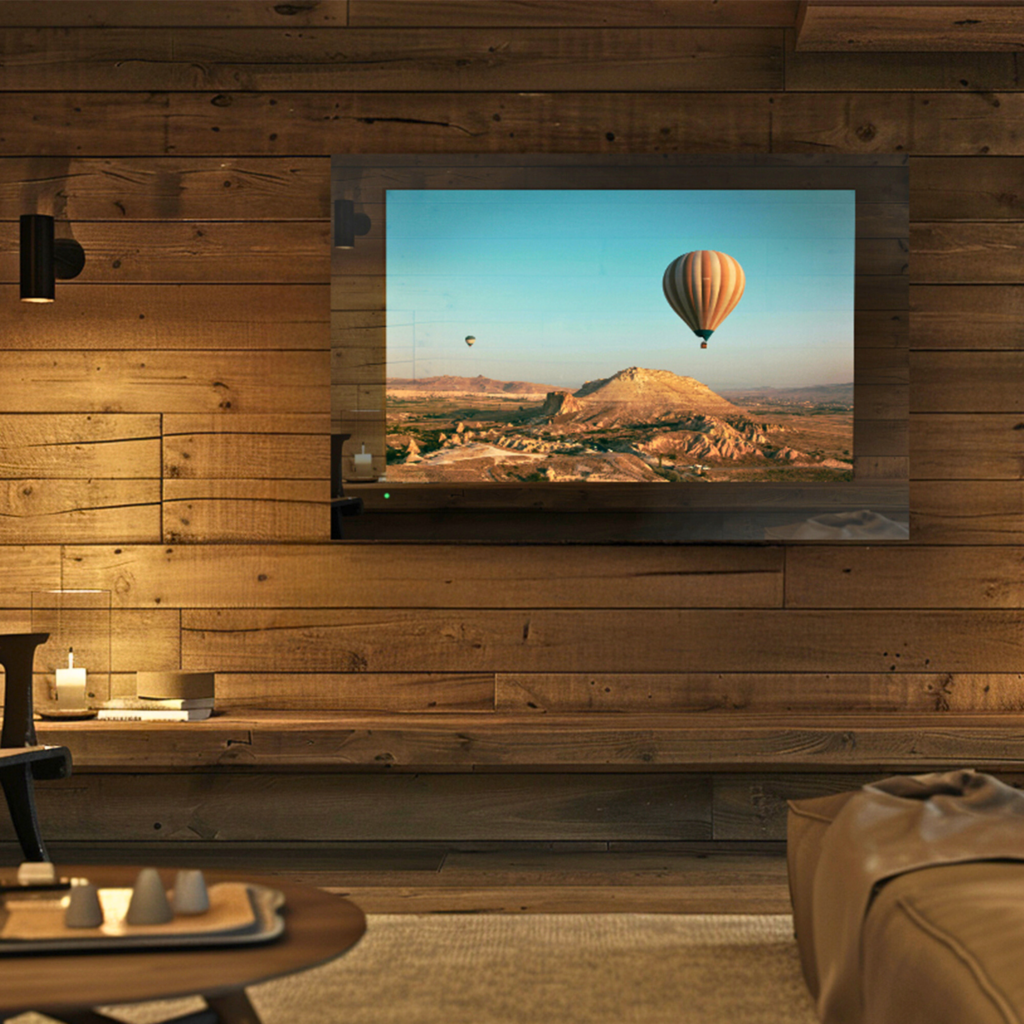
A heat resistant TV is a television built, and tested, to keep working at temperatures that would shut down or damage a standard television. Most TVs are designed for a living room. Sony, for example, tells owners to use its TVs between 32°F and 104°F (0°C and 40°C). A sauna, a kitchen, or the wall above a fireplace can push temperatures past that.
Here’s why standard TVs struggle with heat, what actually makes a TV heat resistant, and how to tell a real heat rating from a marketing claim.
Why Standard TVs Struggle With Heat
A TV heats up from two directions. The room warms it from the outside, and the TV warms itself from the inside. The backlight is the most common source of internal heat, which is why even a TV in a normal room can feel warm while in use.
When the combined heat goes past what the display was designed for, things start to go wrong. Display makers explain that at very high temperatures the liquid crystal in an LCD can become disoriented, producing dim or dark patches, or a fully dark screen. The electronics behind the panel can fail too. And running a display beyond its rated range can cause permanent damage.
What Makes a TV Heat Resistant?
Heat resistance comes from how a TV is designed and built, not from a single feature. Here’s how we do it:
Metal instead of plastic. Our TVs use steel for their housing, which holds up to heat far better than the plastic housings on typical TVs.
Real glass on the front. The glass on the front of our screens is tough and easy to clean, and it stands up to the conditions that come with hot rooms.
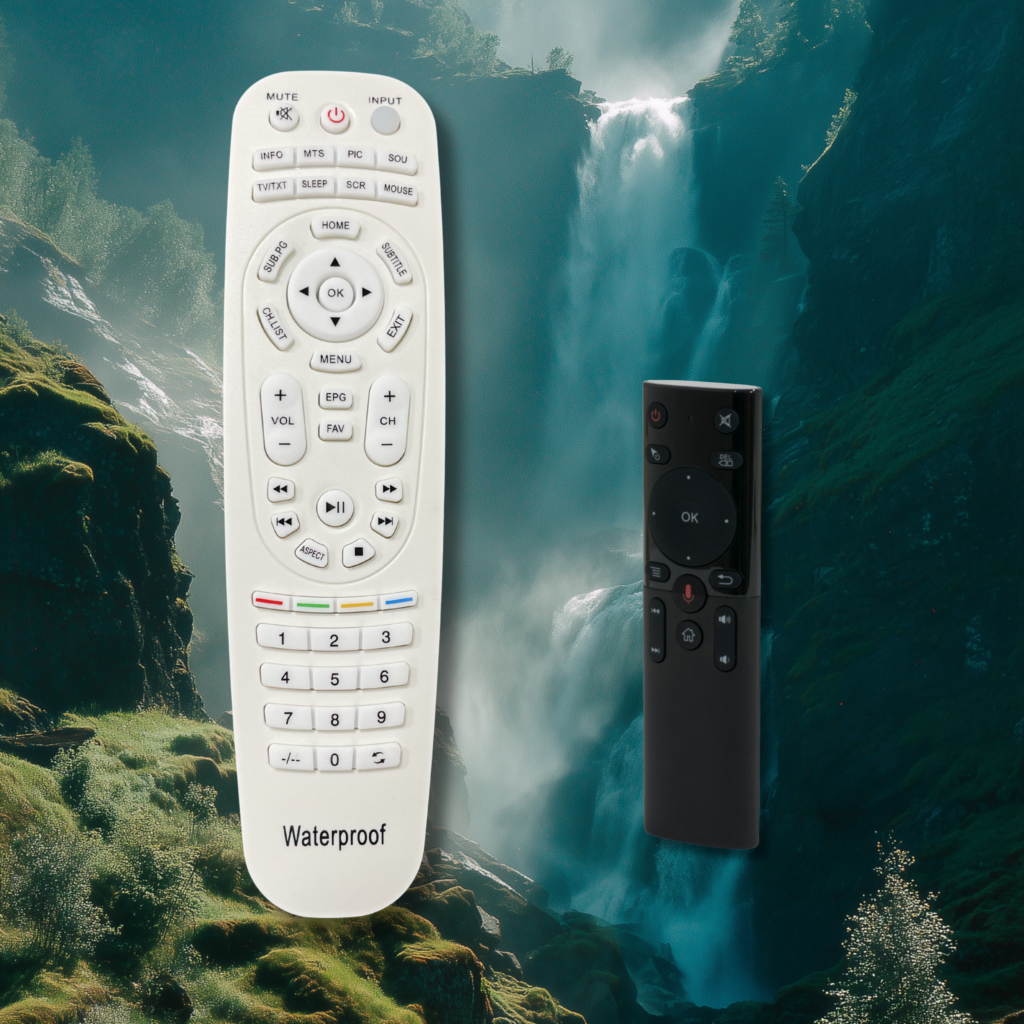
A remote built for the heat. A heat resistant TV isn’t much use if the remote can’t survive the room. The remote that ships with our TVs is built to work at the same temperatures as our televisions.
How to Tell a Real Rating From a Claim
“Heat resistant” isn’t a regulated term, so it helps to ask three questions of any TV that uses it:
- What is the stated maximum temperature? A real rating names a number.
- Who certified it? A rating backed by a certification is different from a line in a brochure.
- Is it a continuous rating or a short-exposure one? Surviving a few minutes of heat isn’t the same as running in it for hours.
It’s also worth knowing that water resistance and heat resistance are separate things. An IPX rating measures protection against water, not temperature. Here’s what our IPX4 rating means.
Our TVs are certified to perform continuously at up to 176°F (80°C). The certification was issued by a certification center in China, near our factory, and it applies to every TV we make.
What Happens If the TV Gets Too Hot?
If a room goes above 176°F for a short time, the TV isn’t damaged and doesn’t melt. You may lose portions of the picture until the room cools down, and once it does, the TV works normally again. Our TVs can also tolerate short exposures up to about 212°F without damage.
Where Heat Resistance Matters
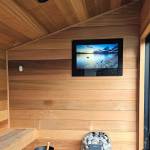
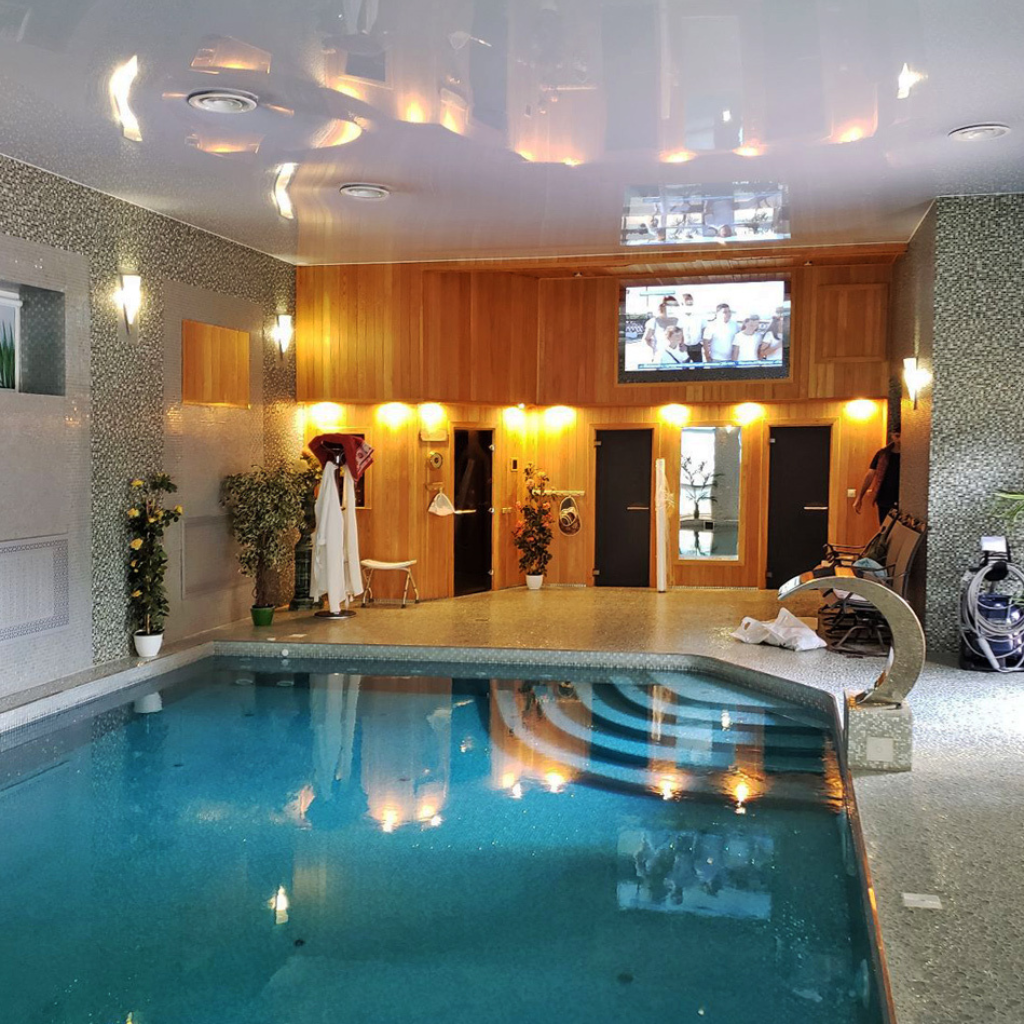
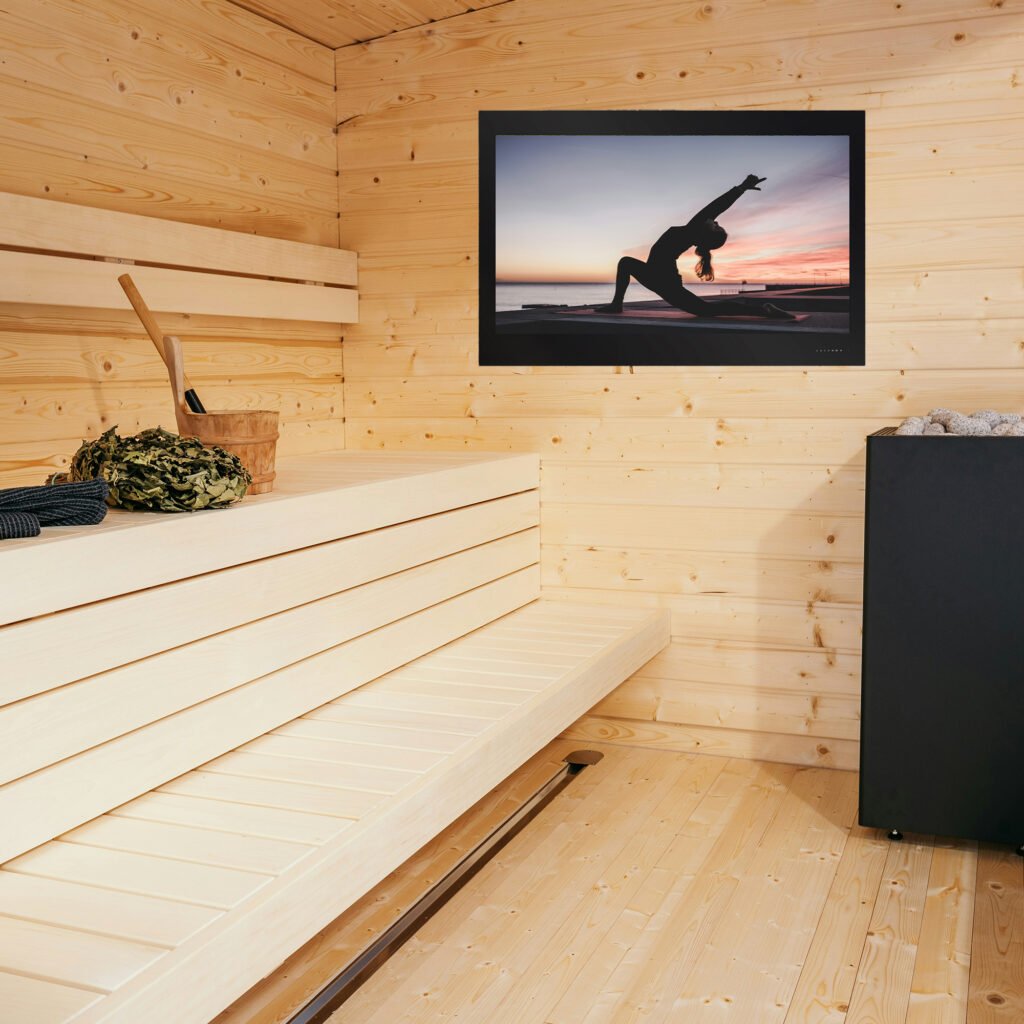
Saunas. The obvious one, and the room that pushes a TV hardest. Why our sauna TVs don’t melt down covers it in depth, how to choose the best sauna TV helps you decide, and can you put a TV in a sauna? answers the basic question.
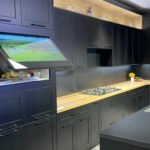
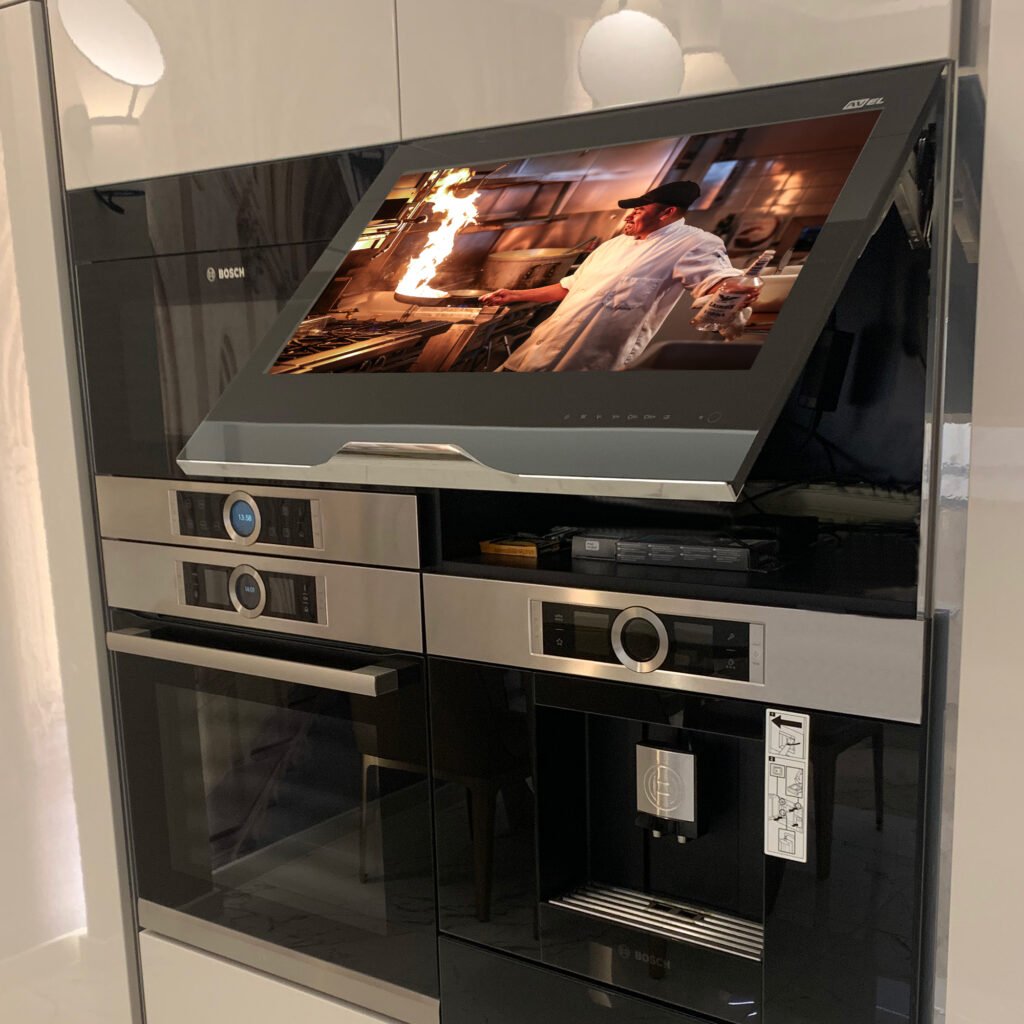
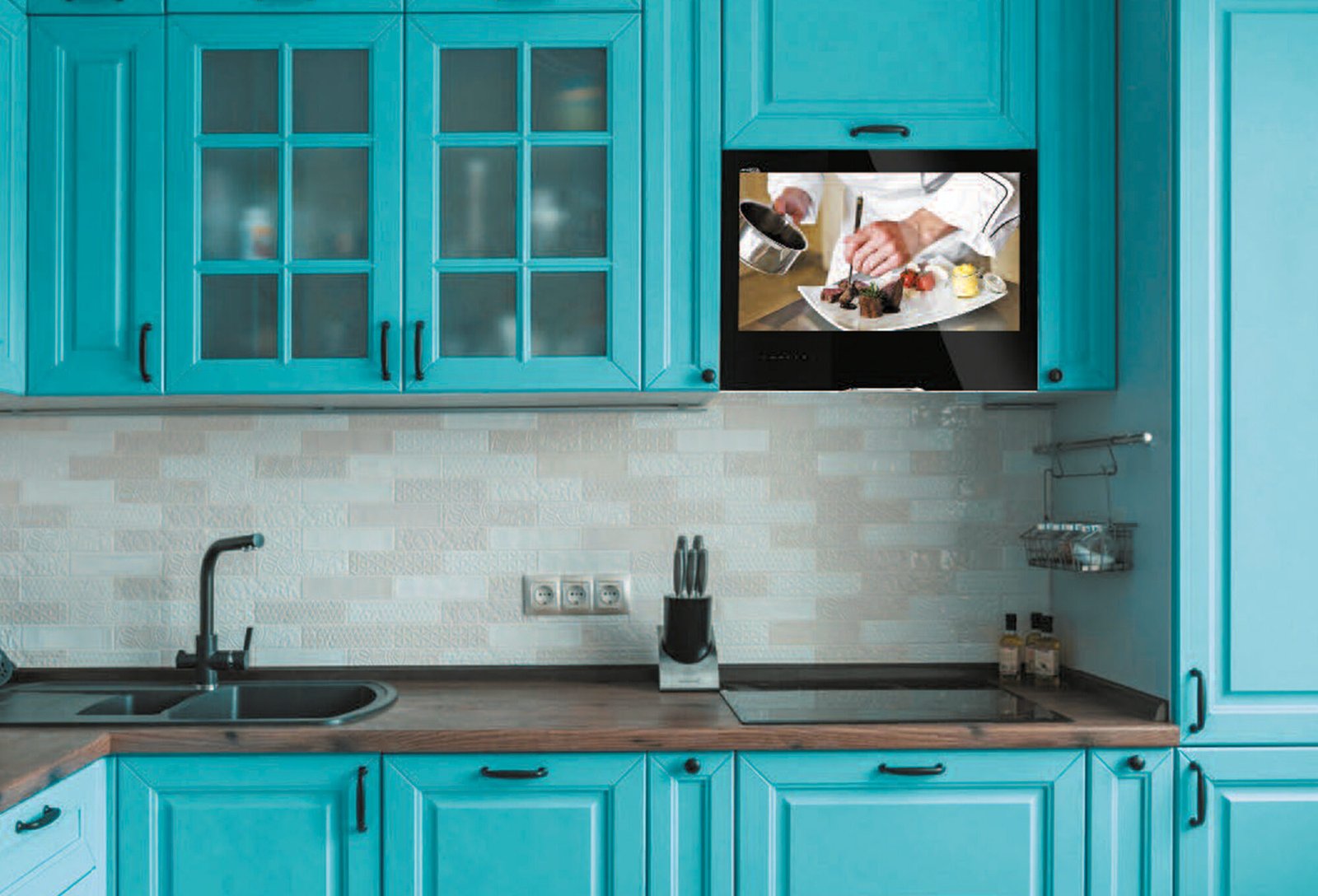
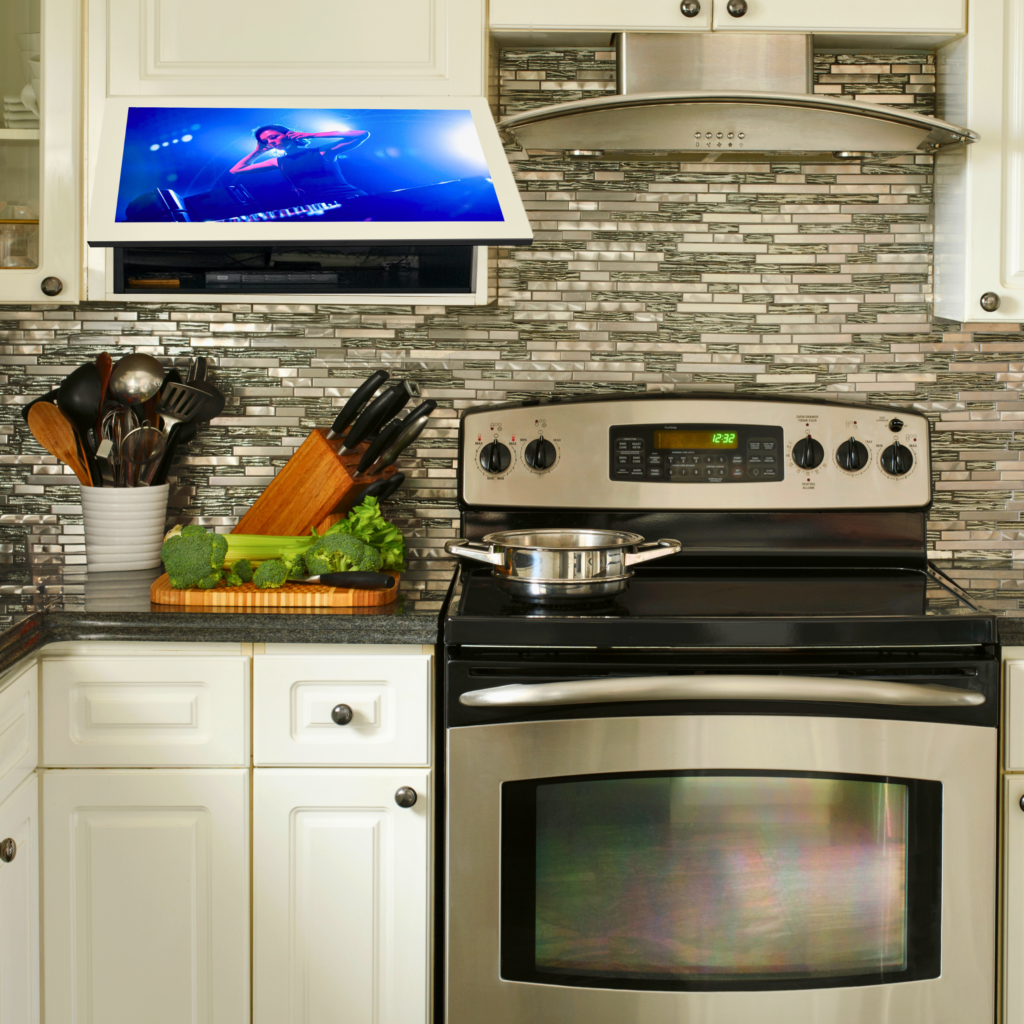
Kitchens. Cooking brings heat and steam, especially near a stove. How to install a kitchen TV covers what to expect, and how to choose the best kitchen TV covers the rest.
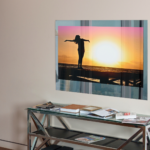
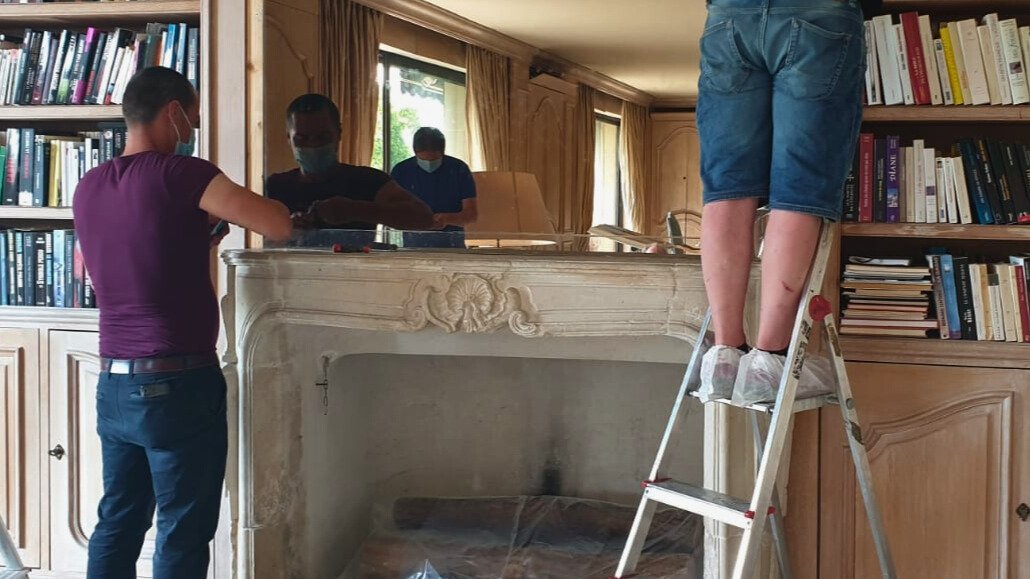
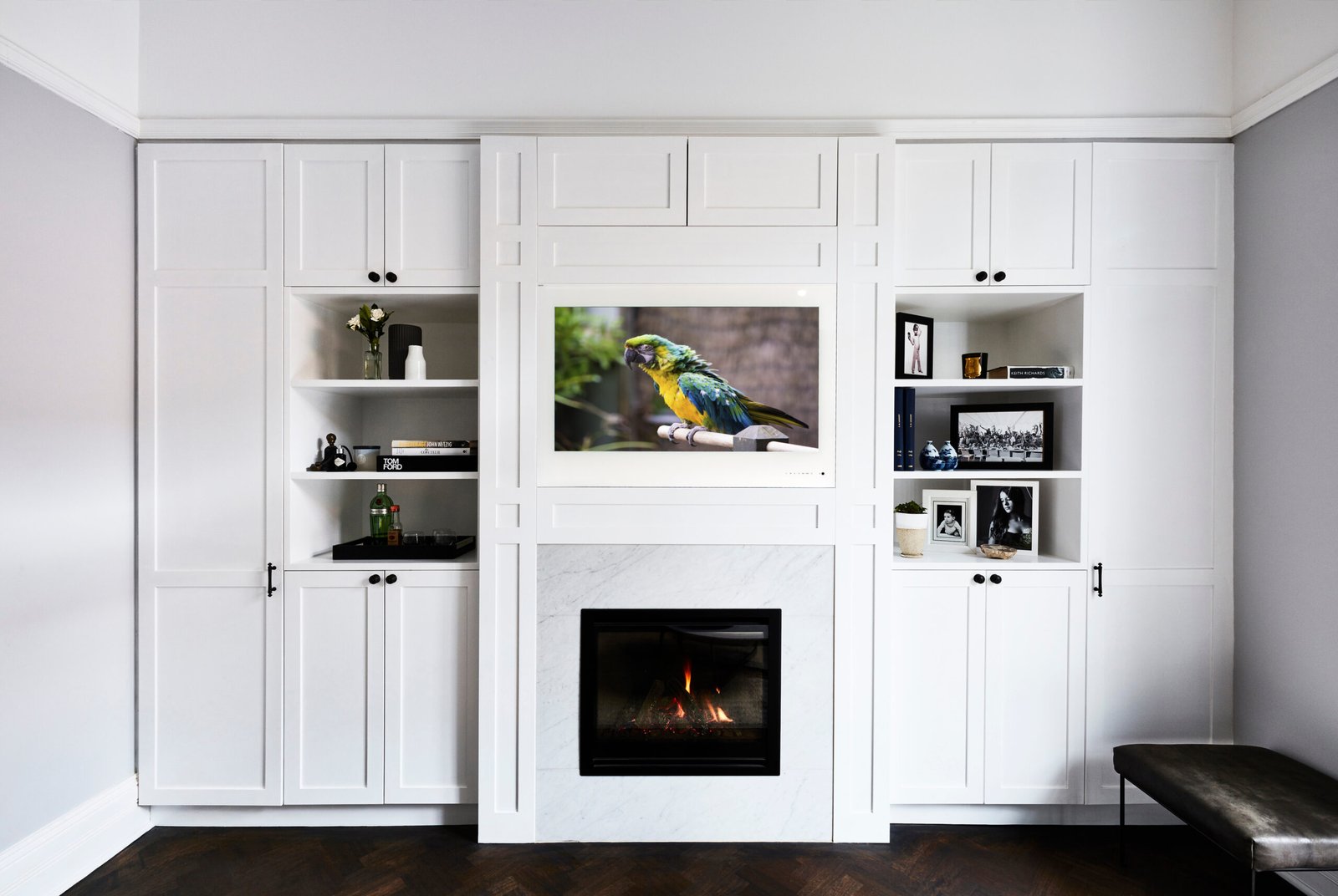
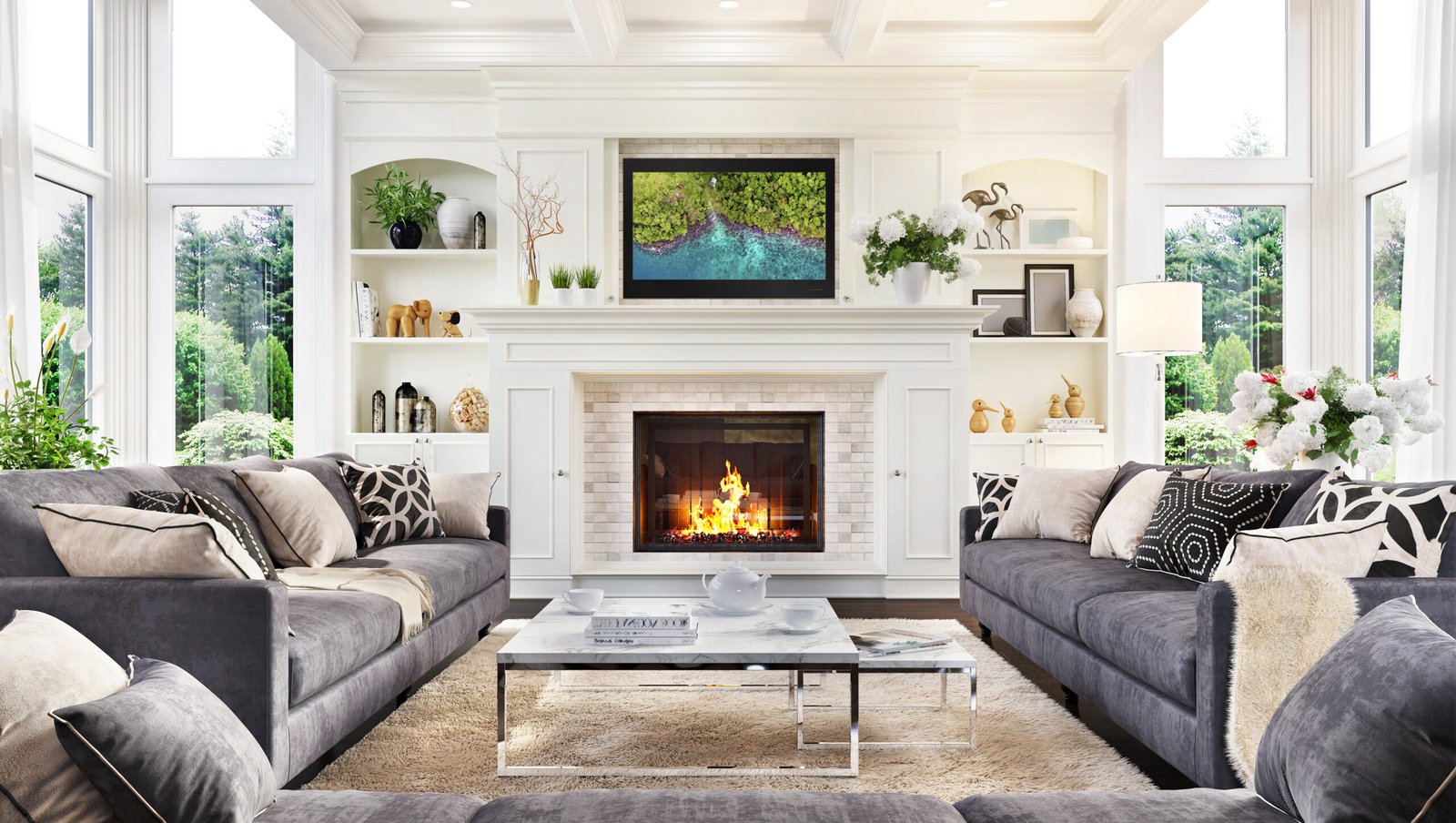
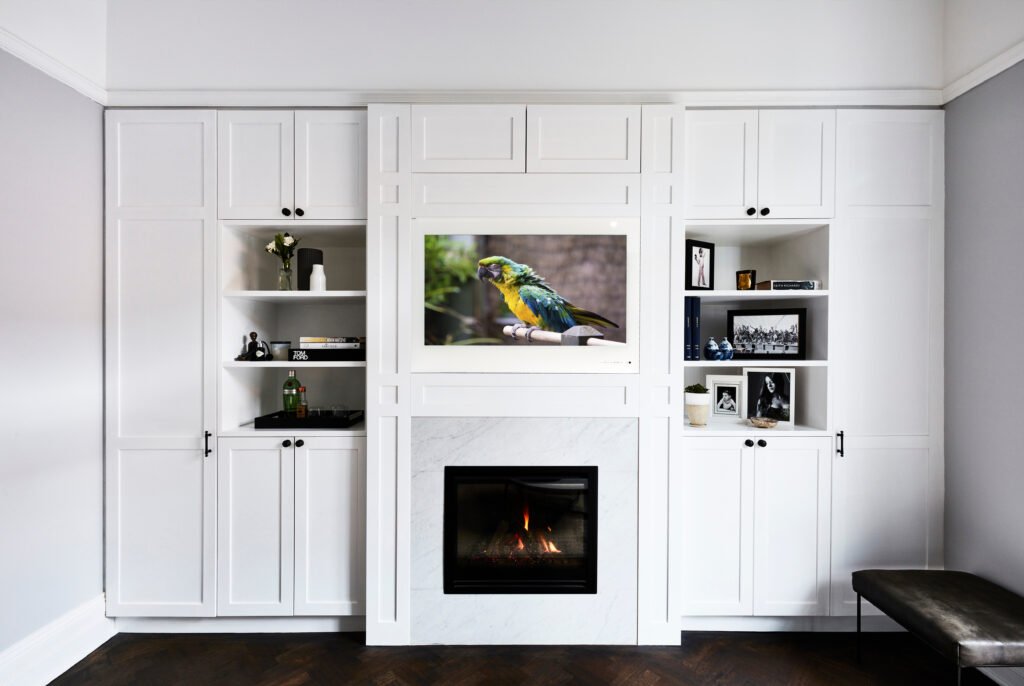
Above a fireplace. We install TVs above fireplaces all the time.
Spas and hot tub rooms. Heat and humidity come together here. Watching TV from the hot tub and moisture-resistant TVs for the pool, bath, or sauna go into more detail.
Commercial spaces. We also sell into restaurants, gyms, and spas.
What “Heat Resistant TV” Doesn’t Mean
Heat resistant isn’t the same as outdoor rated. Our TVs aren’t graded for outdoor use, so outdoor installs are beyond what we can recommend. And no TV should be placed in direct flame. Our rating is 176°F for indoor environments. That’s the number to design around.
Before You Decide
A quick recap of what to check before you buy:
- Maximum temperature: a stated number, not just “heat resistant.”
- Certification: who tested it, and whether you can see the certificate.
- Continuous or short-exposure: how long it’s rated to run at that temperature.
- Water rating: an IPX rating if steam or splashing is part of the room.
- Build: metal and glass versus plastic.
- Room: sauna, kitchen, fireplace, spa, or commercial space.
Every Parallel AV TV carries the 176°F certification, so choosing comes down to room, size, and how you want it installed. Give us a call or send a note if you want to talk through what fits your space.