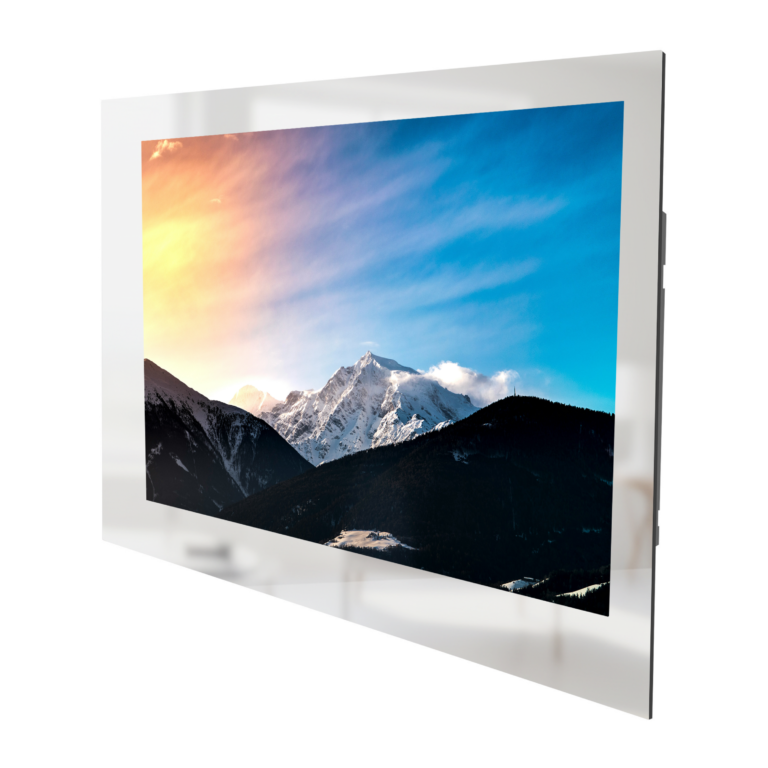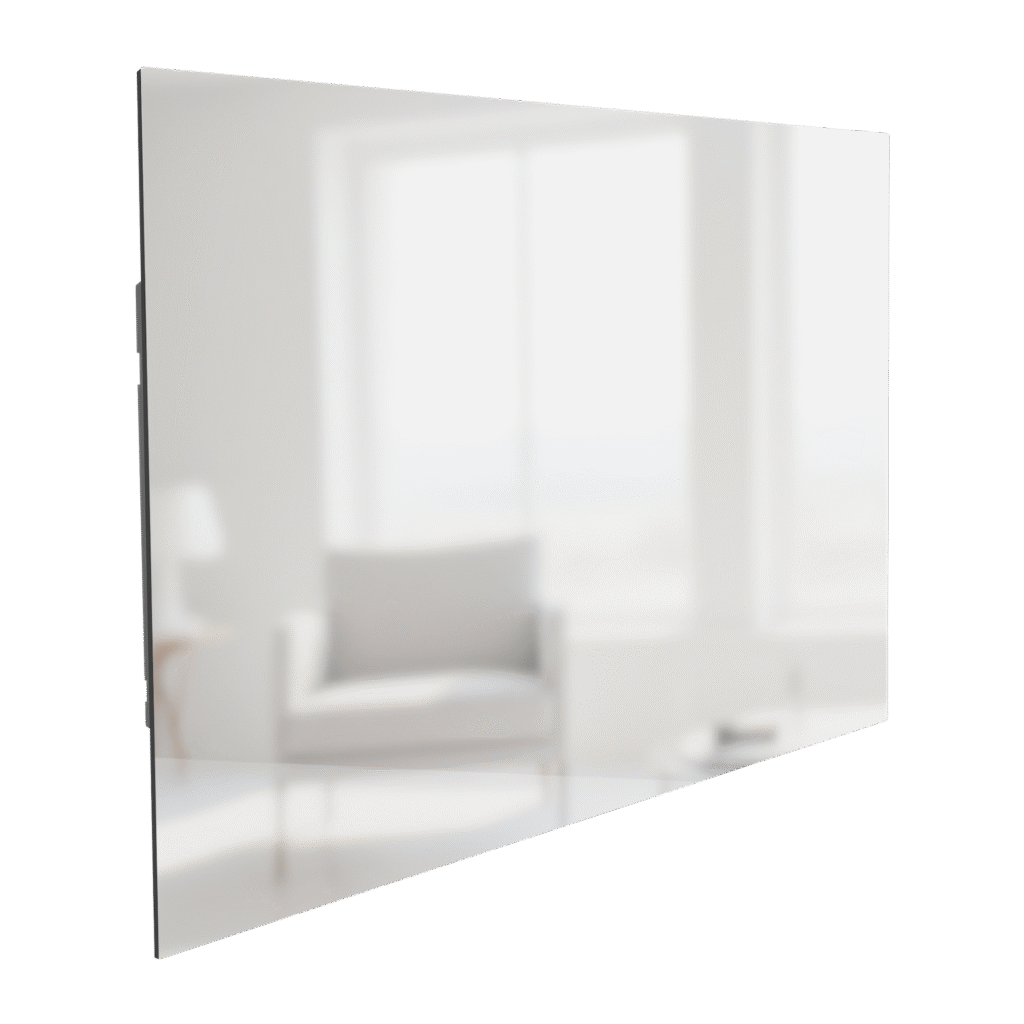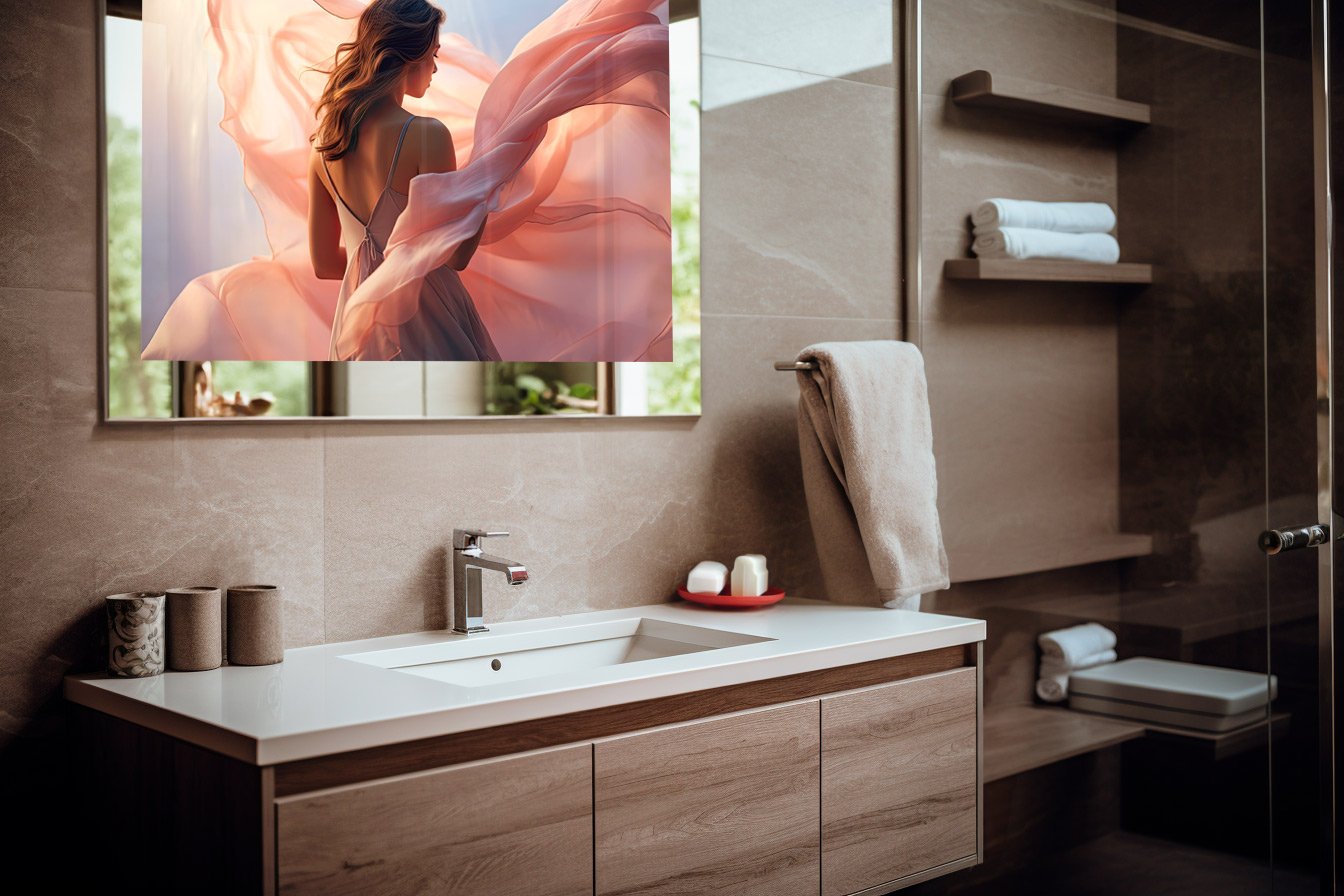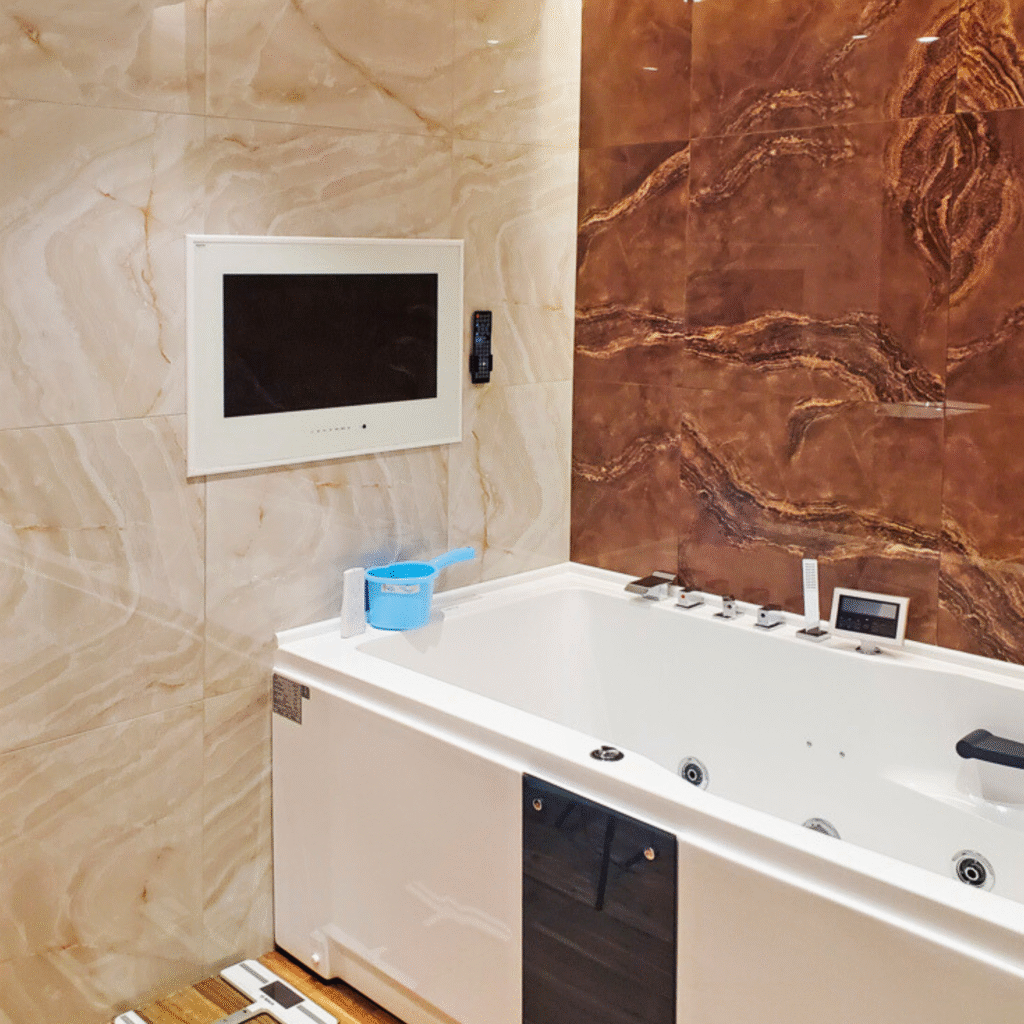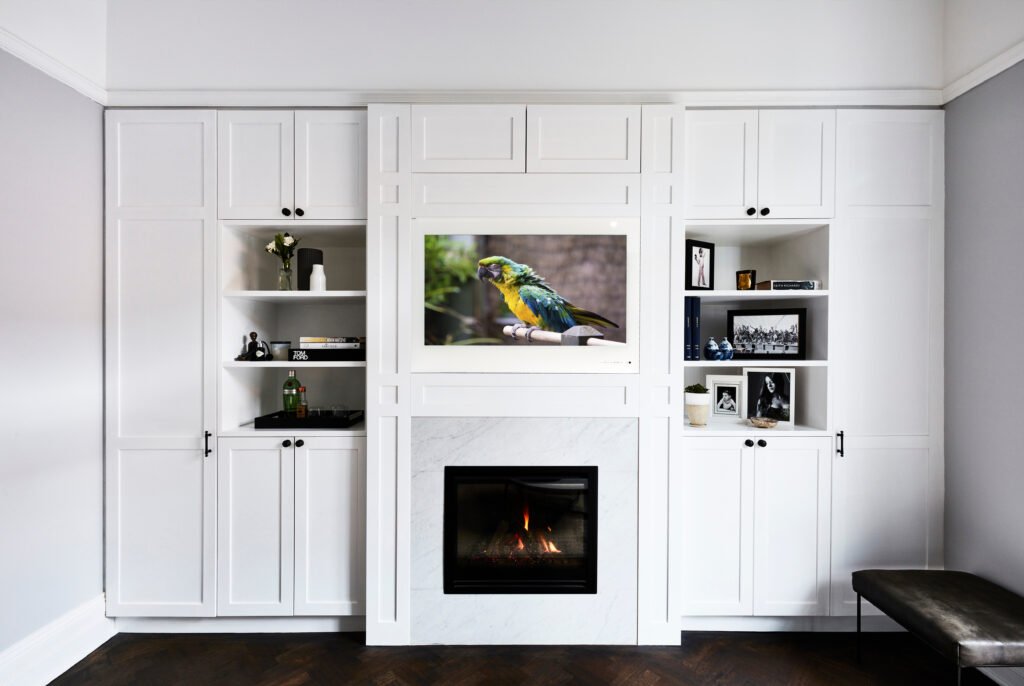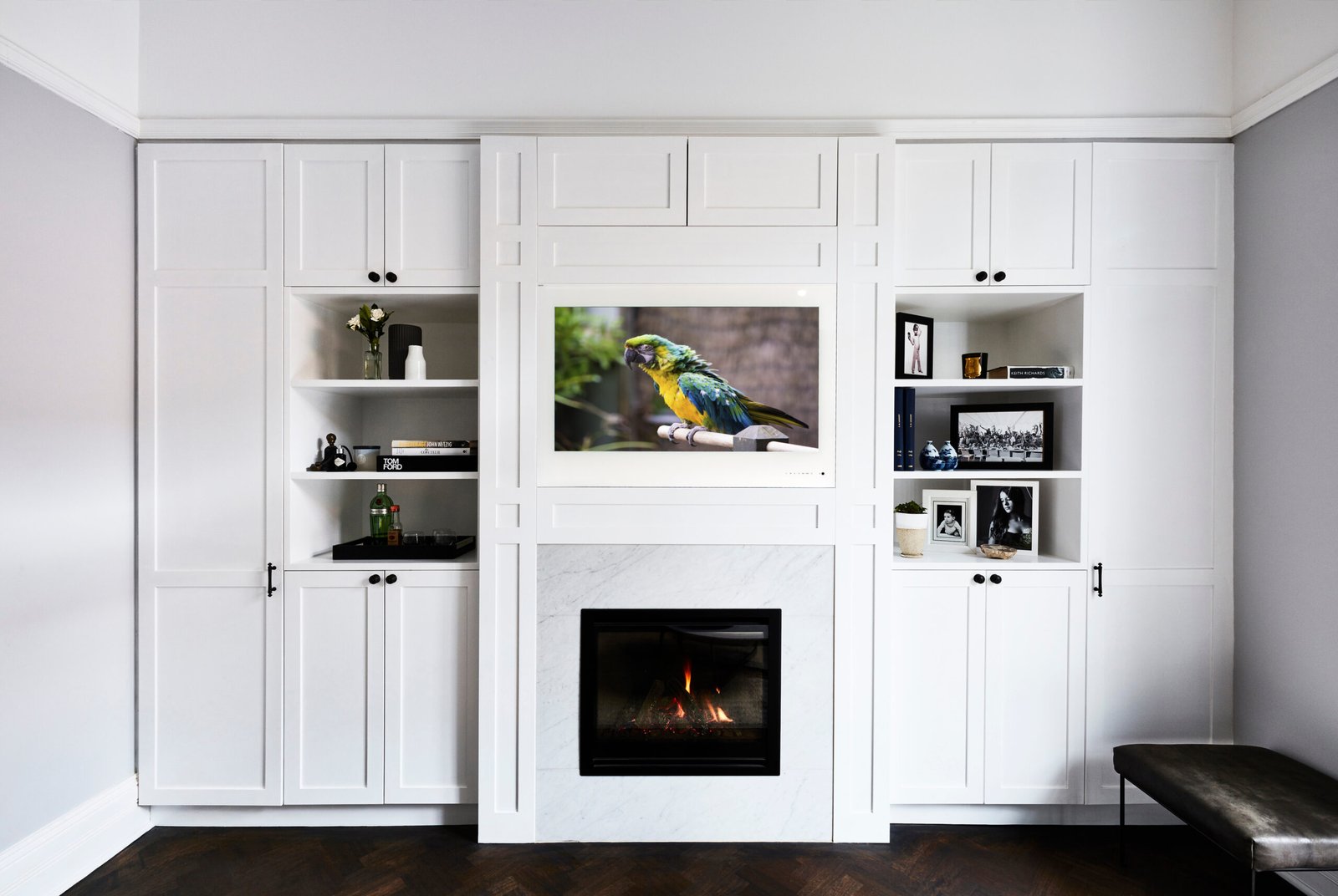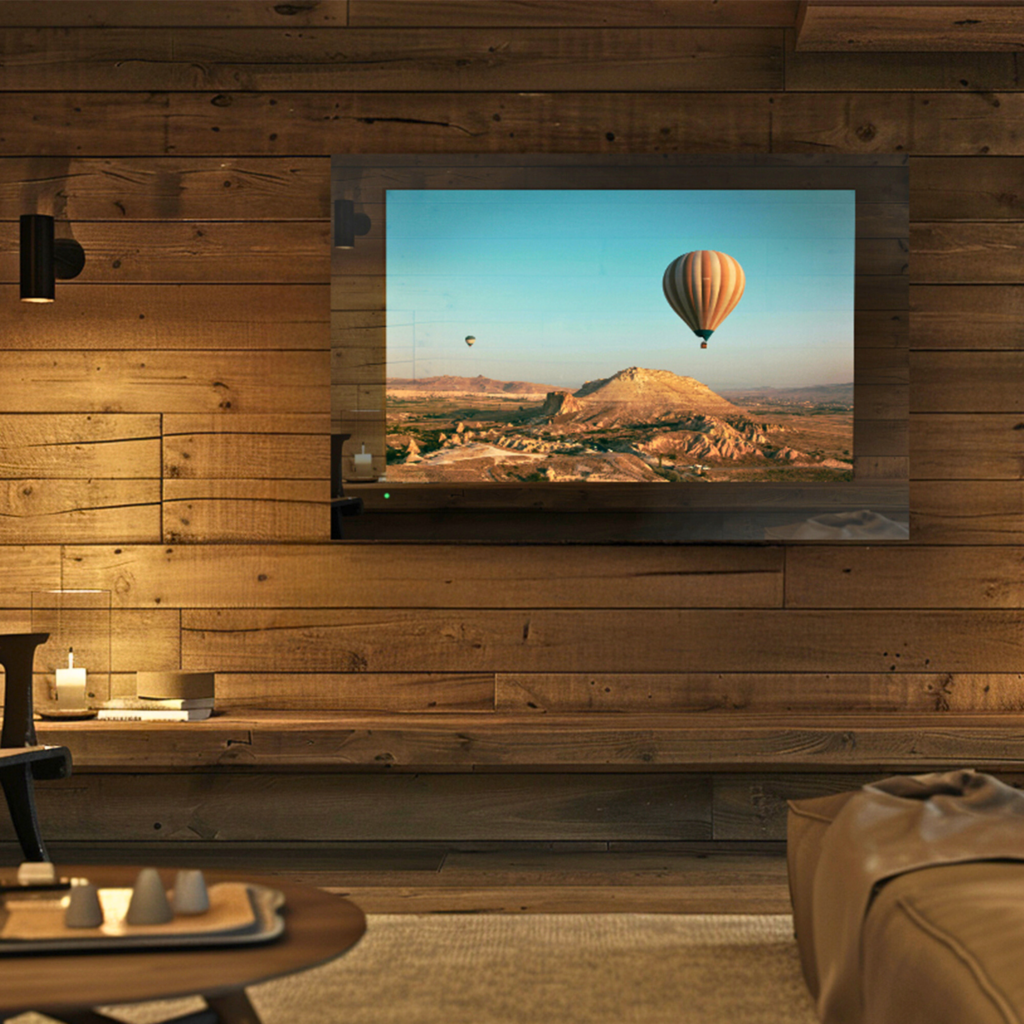
We’re often asked: “Why don’t you use OLED panels in your mirror TVs?”
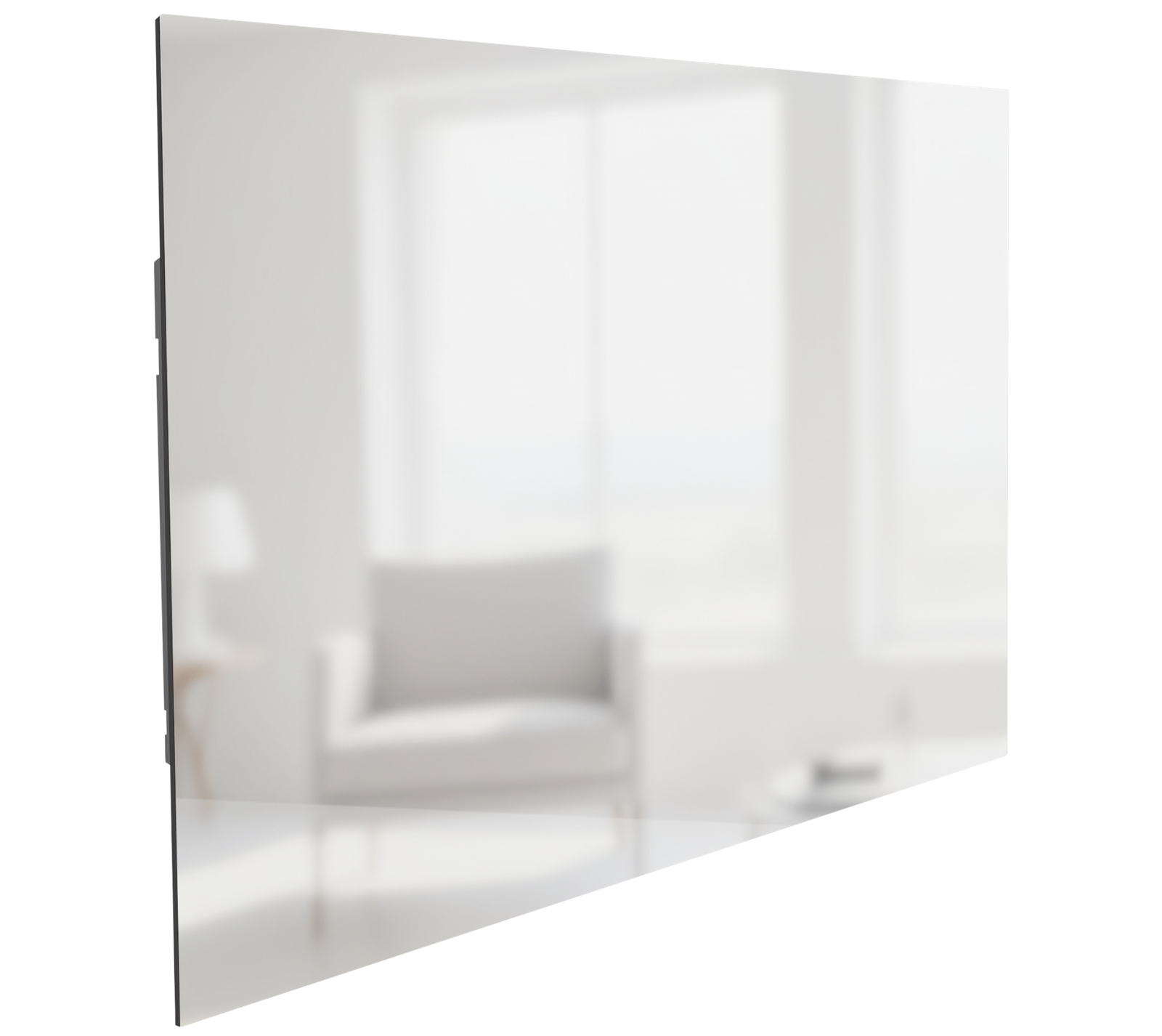
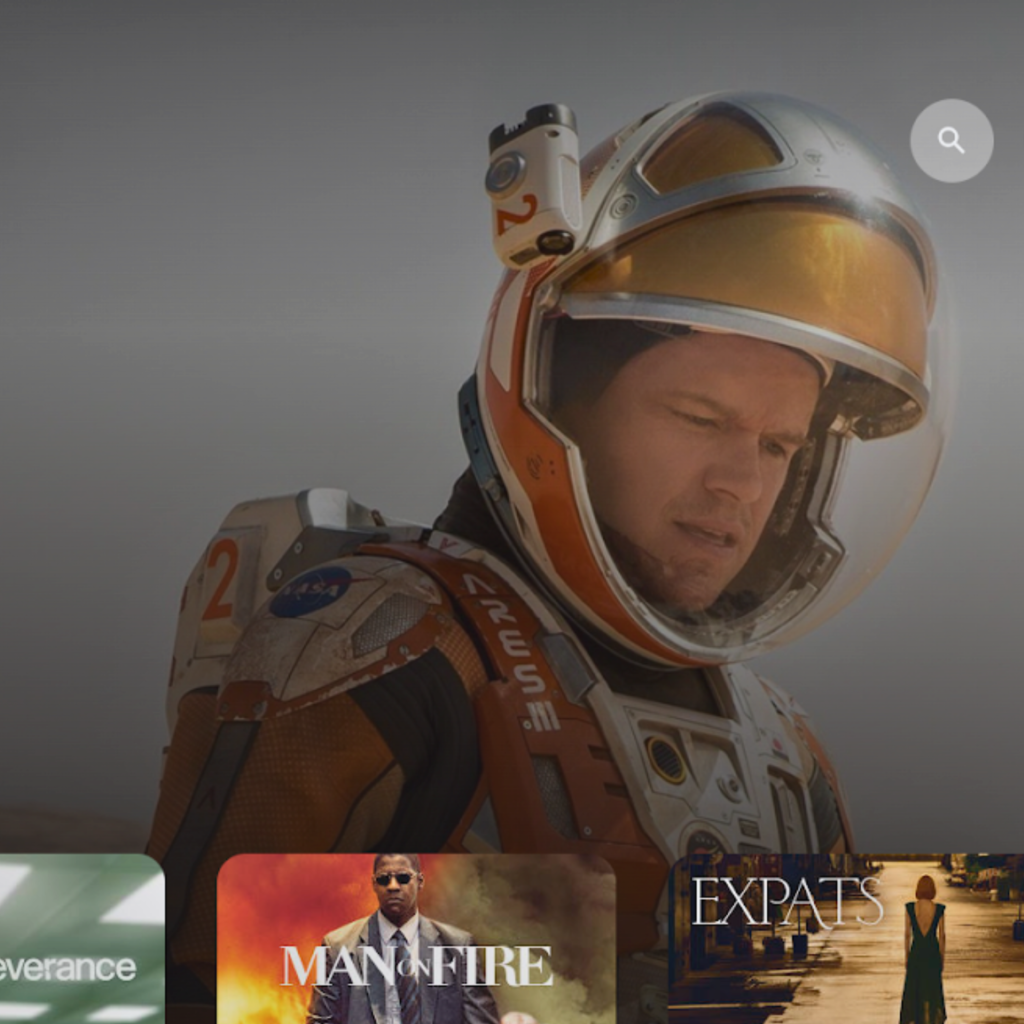
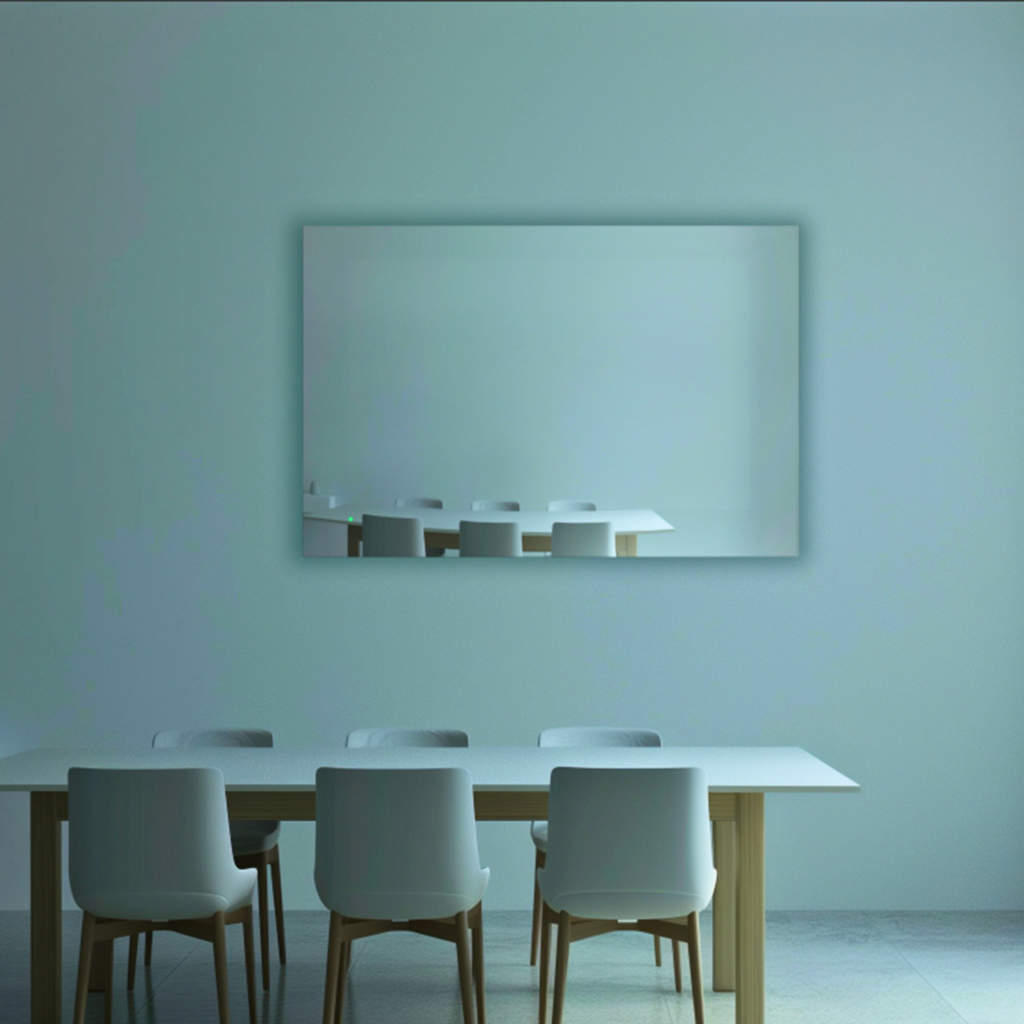
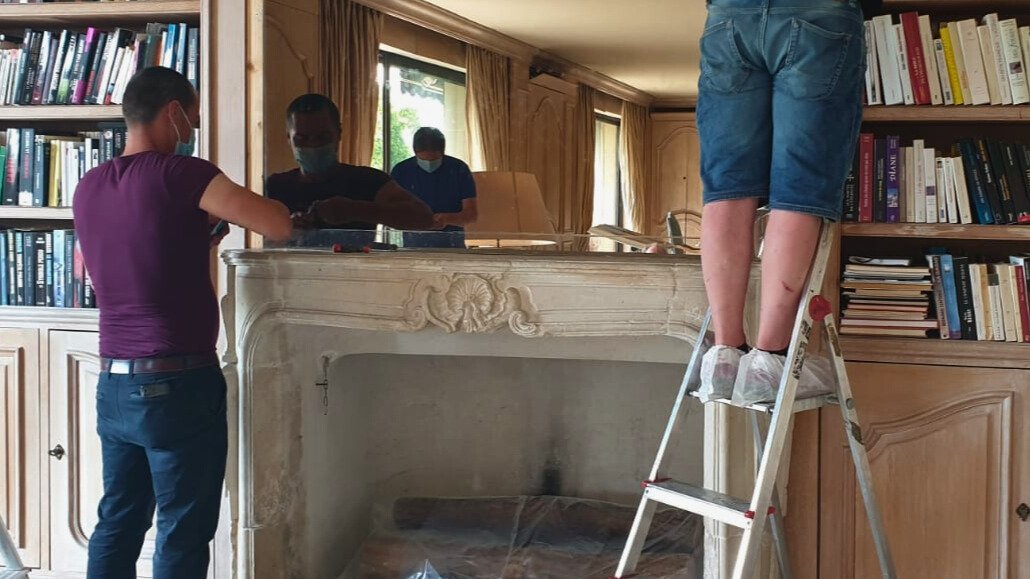
The answer is simple: LED panels perform better in mirror TV applications. While OLED panels excel in contrast and black levels in traditional setups, high-performance mirror TVs have other needs: clear visibility through reflective glass under normal room lighting. This makes LED the superior choice.
This article explains why, in a mirror application, brightness and real-world visibility outweigh black levels, and why Parallel AV exclusively uses LED panels in our mirror TVs.
How OLED and LED Make Light
OLED: Pixel-Level Light
OLED (Organic Light Emitting Diode) panels are “self-emissive,” meaning each pixel produces its own light. Pixels can turn completely off, giving OLED true blacks and outstanding contrast in dark rooms.
OLED panels typically emit between 400 and 800 nits (a nit is a unit of visible light, measuring how bright a display appears to the human eye). While excellent for contrast and color in dark environments, OLED panels are less effective behind a reflective surface, where the picture must remain visible through the mirror and under normal room lighting.
LED: Backlit Brightness
LED TVs use a backlight behind an LCD panel. The LCD layer selectively blocks or passes light from the LEDs to create the image. Because the light source is separate from the pixels, LED panels can be tuned to produce higher brightness, typically between 700 and 1,200 nits (again, nits measure the visible brightness of a display).
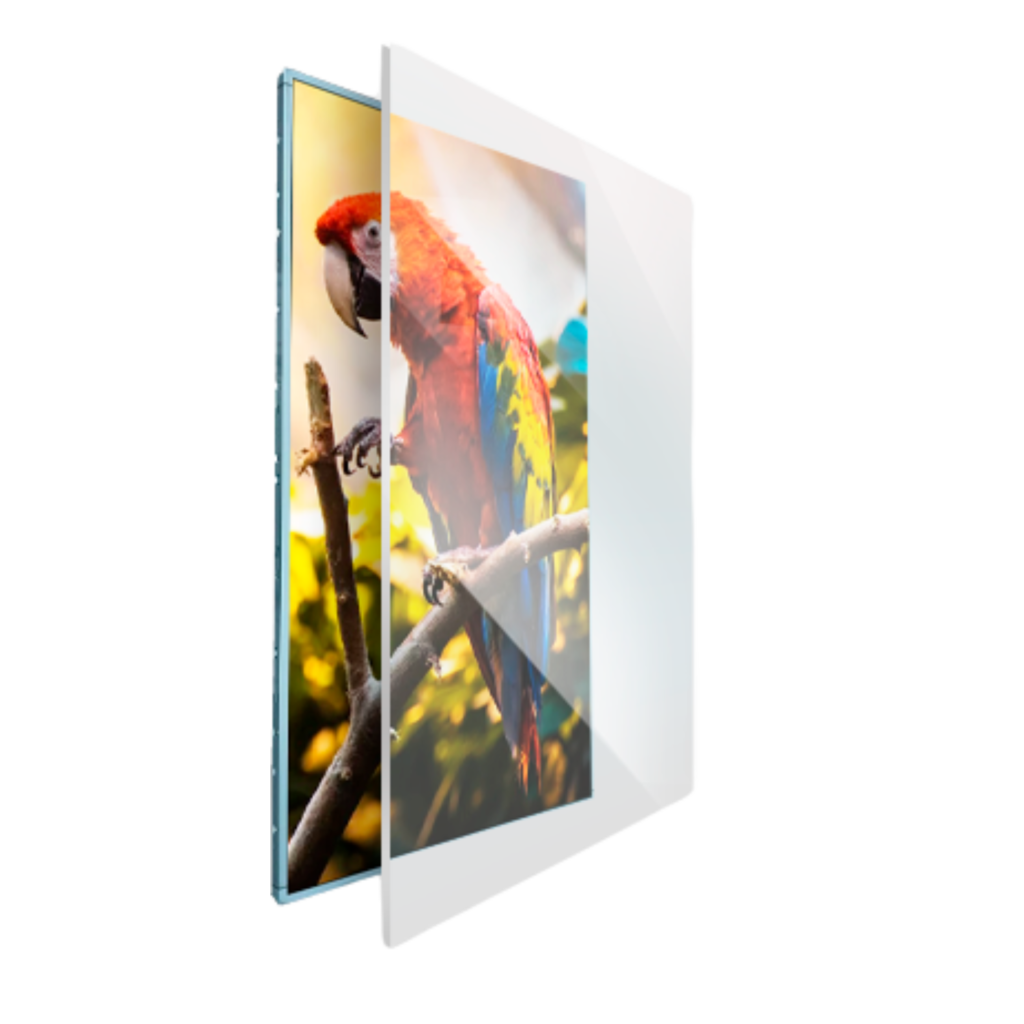
For mirror TVs, this extra brightness ensures the image remains clear, visible, and vibrant through reflective glass — a performance requirement that OLED panels cannot reliably meet.
Why Brightness Matters More Than Black Levels in Mirror TVs
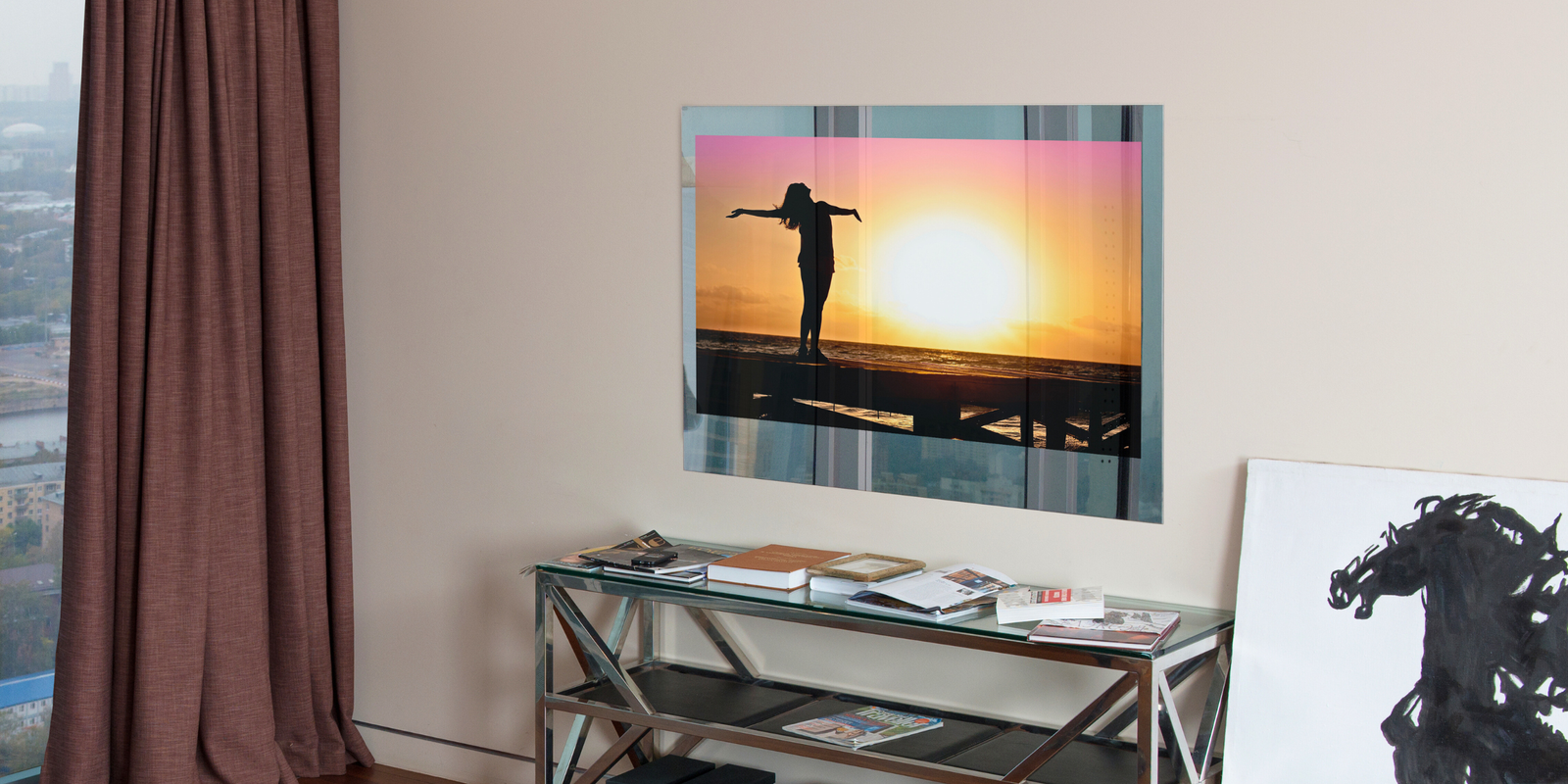
Mirror TVs face a unique challenge: the mirror reduces how much light reaches your eyes. Part of the panel’s light is reflected, and ambient room lighting can further diminish perceived brightness.
In this context:
- OLED’s perfect blacks matter less, because light loss through the mirror limits contrast visibility.
- LED’s higher brightness ensures the image is consistently clear and viewable, even when the mirror reduces some of the panel’s light.
Put simply: a mirror TV’s performance is determined by how much light actually reaches the viewer, not by perfect black levels that are primarily noticeable in dark-room setups.
This is why you don’t find many OLED Mirror TVs.
LED Is the Right Choice for Mirror TVs
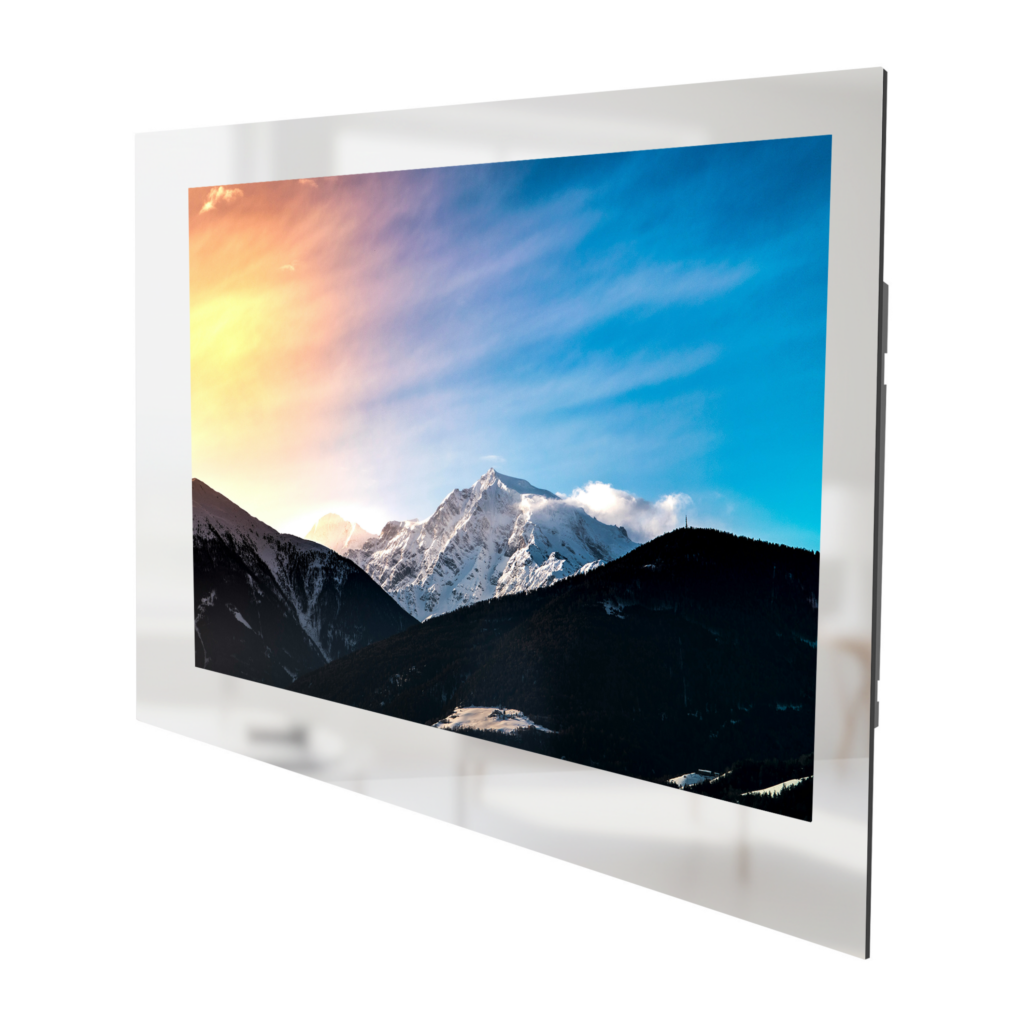
For Parallel AV Magic Mirror TVs, this is not a subtle suggestion — it’s a design principle.
- LED panels provide the brightness required to overcome mirror light loss
- Each TV is calibrated for its size, adjusting panel output and mirror darkness for optimal clarity
- LED panels deliver consistent performance over time, without burn-in risk
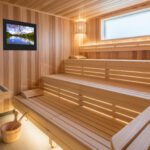
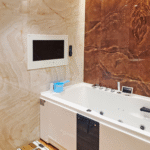
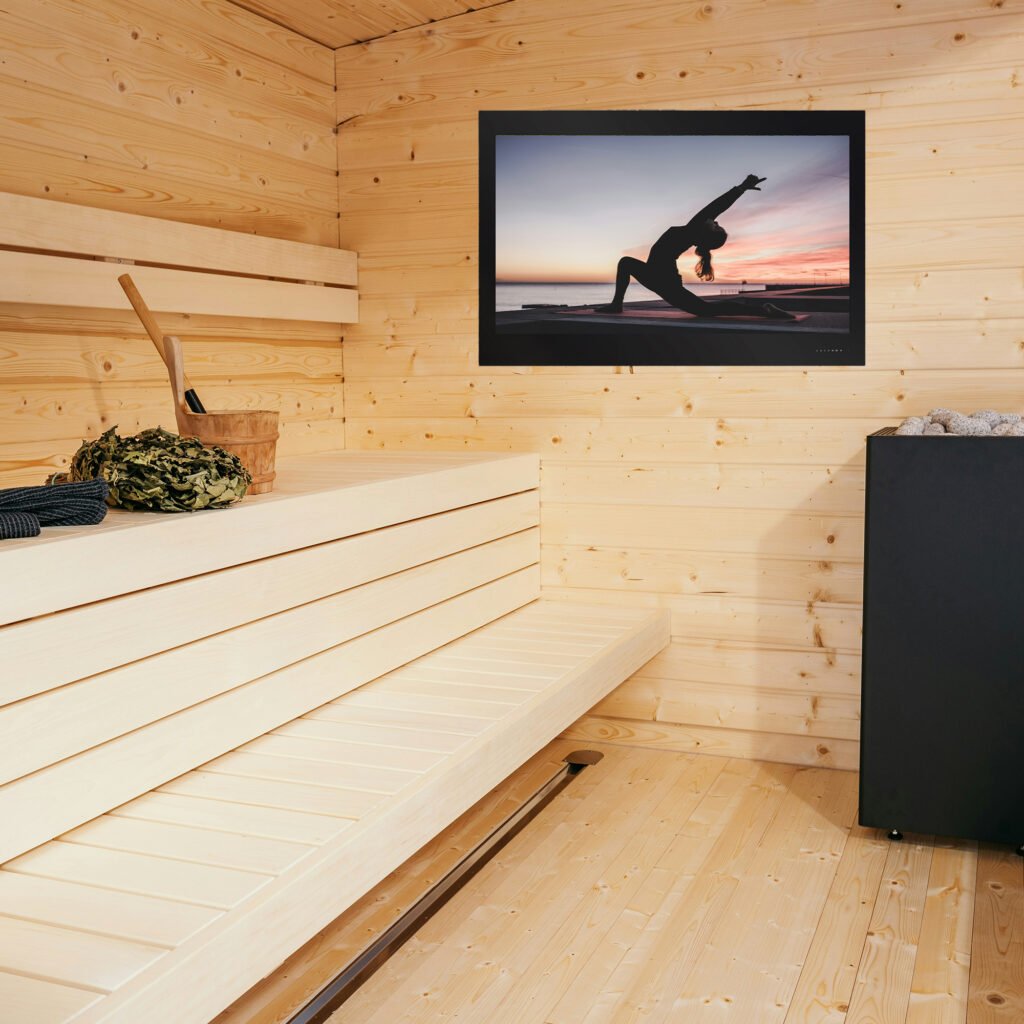
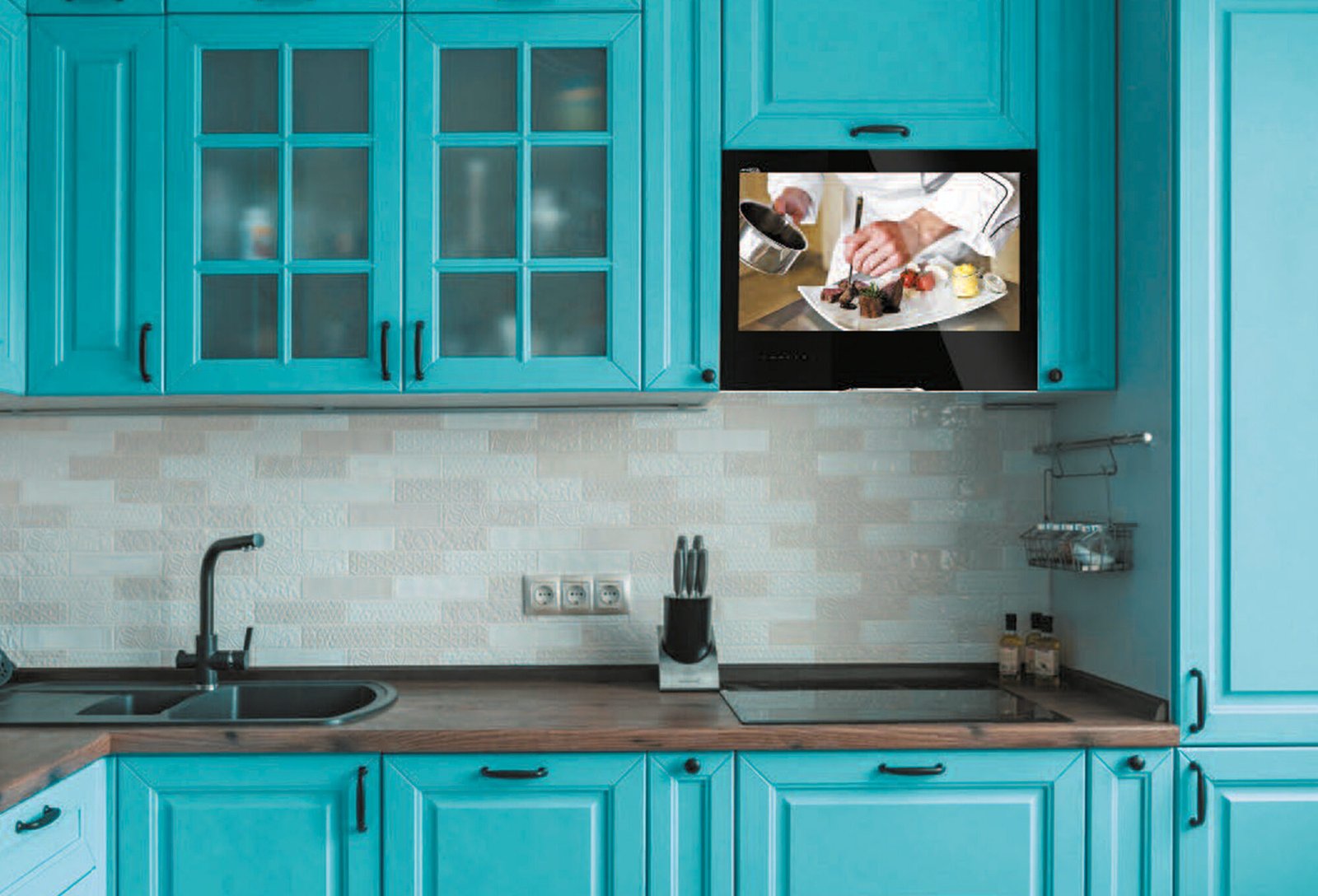
This is why we exclusively use LED panels. OLED may shine in theaters or dark rooms, but for mirror installations — in bathrooms, living rooms, wellness spaces, kitchens, and so on — LED is the only choice that reliably works.
The Tradeoffs You Don’t Notice
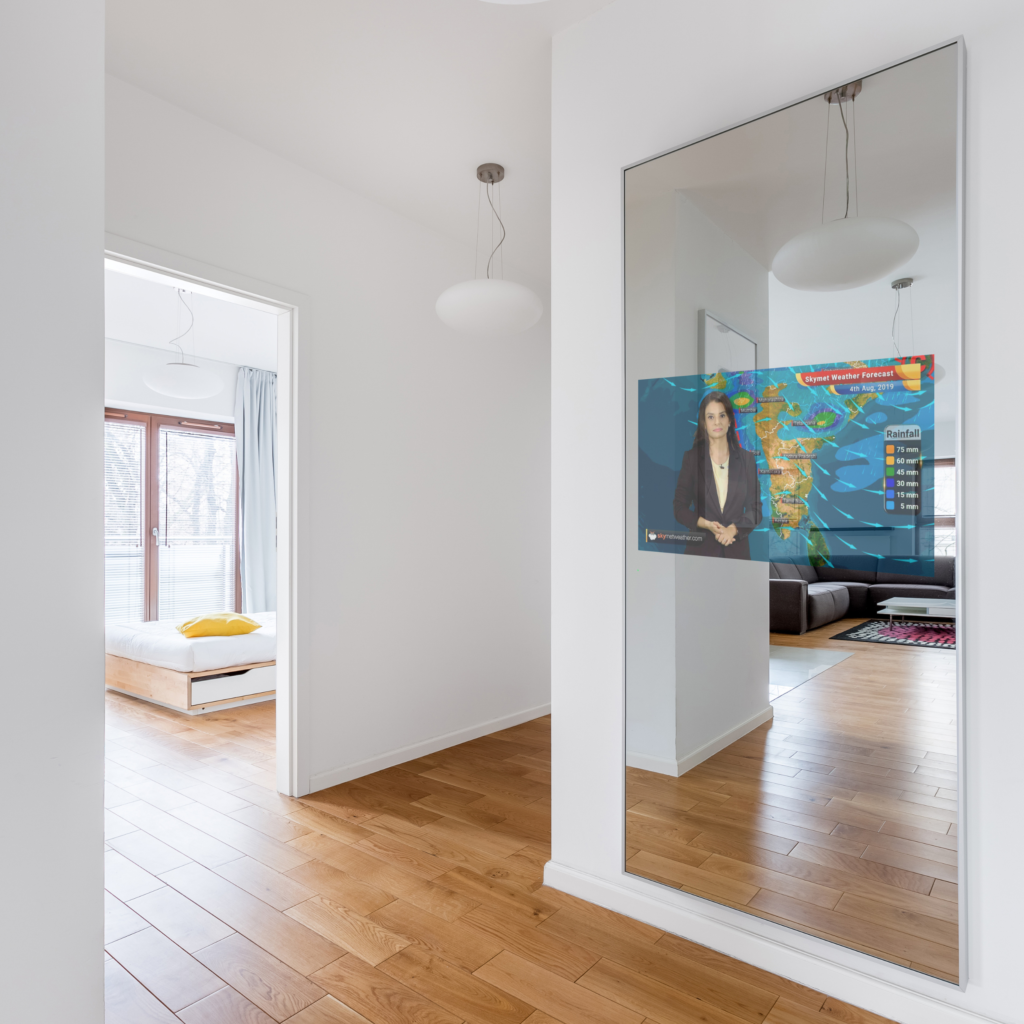
Choosing LED doesn’t mean compromising on picture quality:
- Color remains vibrant and accurate
- Contrast is strong enough to deliver a cinematic experience in most environments
- Viewing angles and responsiveness remain excellent
The difference is about real-world visibility behind a mirror, not a dark-room lab comparison.
Conclusion
Mirror TVs are not standard televisions behind glass. They require purpose-built engineering, and the most important factor is brightness that ensures visibility through the mirror.
That’s why Parallel AV uses LED panels: they deliver a clear, bright image in a wide range of environments, while OLED panels cannot reliably meet the demands of a mirror installation.
In other words: for mirror TVs, brightness beats black levels — every time.
Further Reading
- Best Buy on OLED vs LED display characteristics (blog.bestbuy.ca)
- Display technology comparisons: LED vs OLED (allinthedifference.com)
- OLED performance limits in bright environments (alibaba.com)