If you’ve seen “IPX4” and moved past it without a second thought, you’re not alone. It’s one of those labels that sounds technical and important but rarely comes with a plain-language explanation.
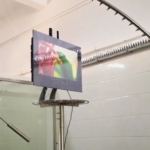
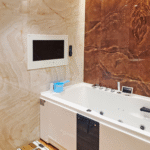
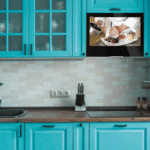
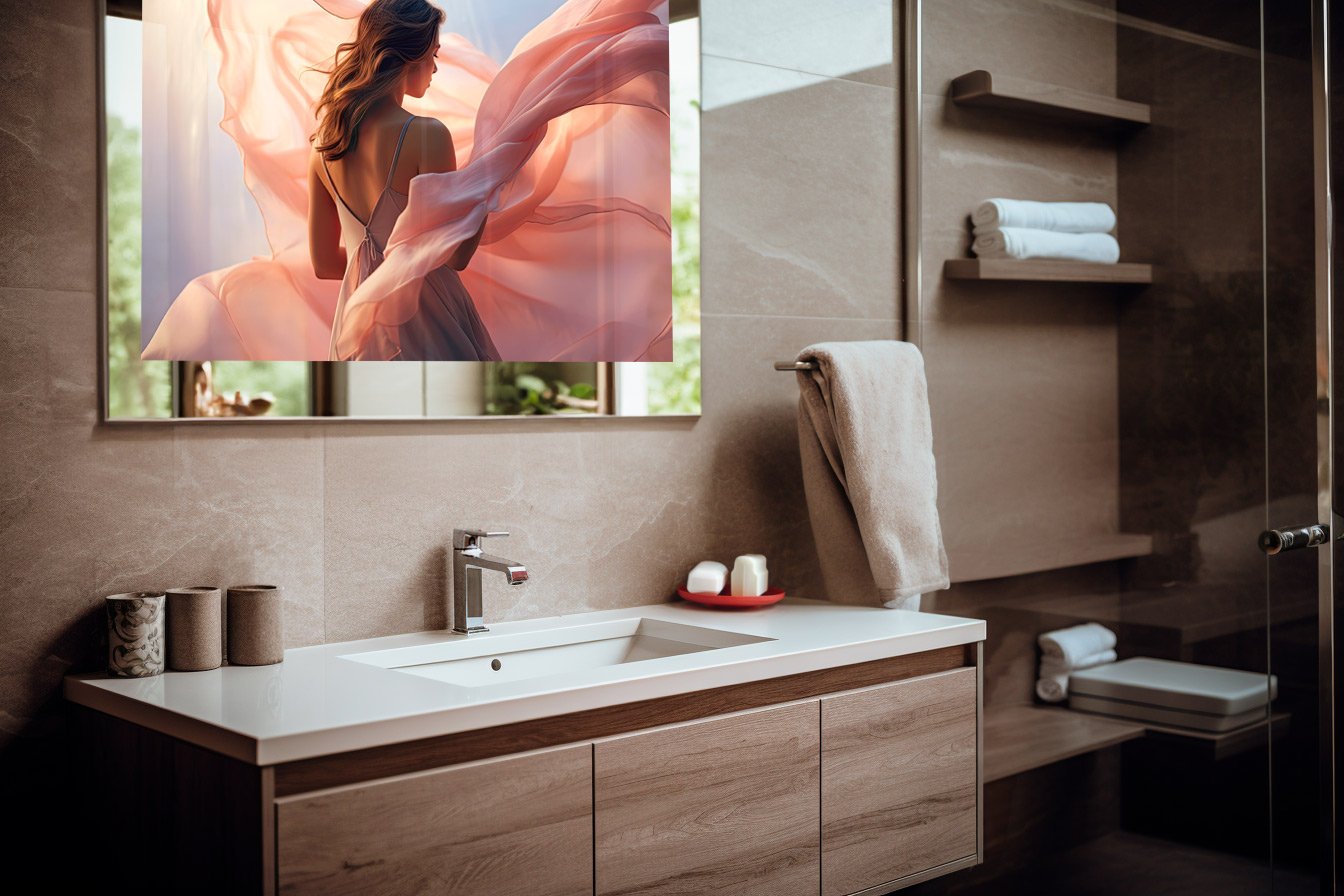
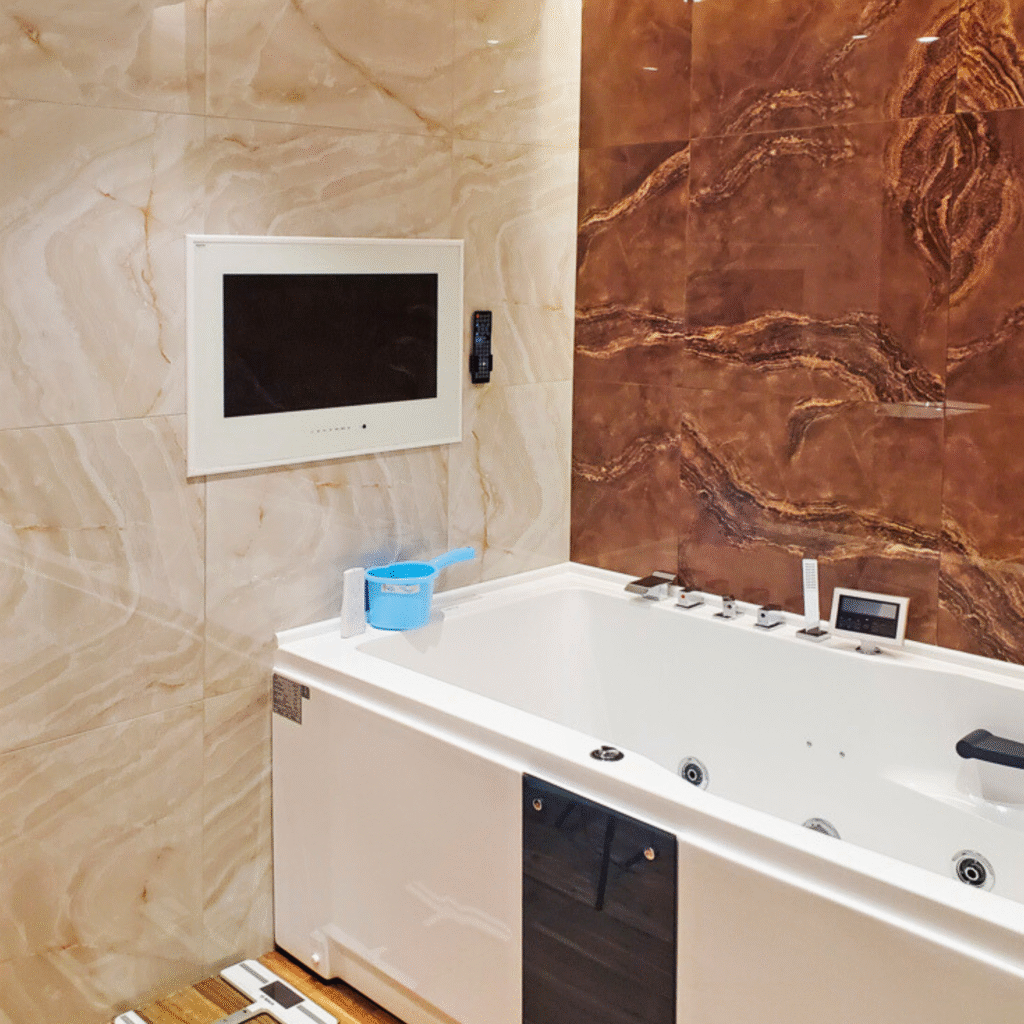
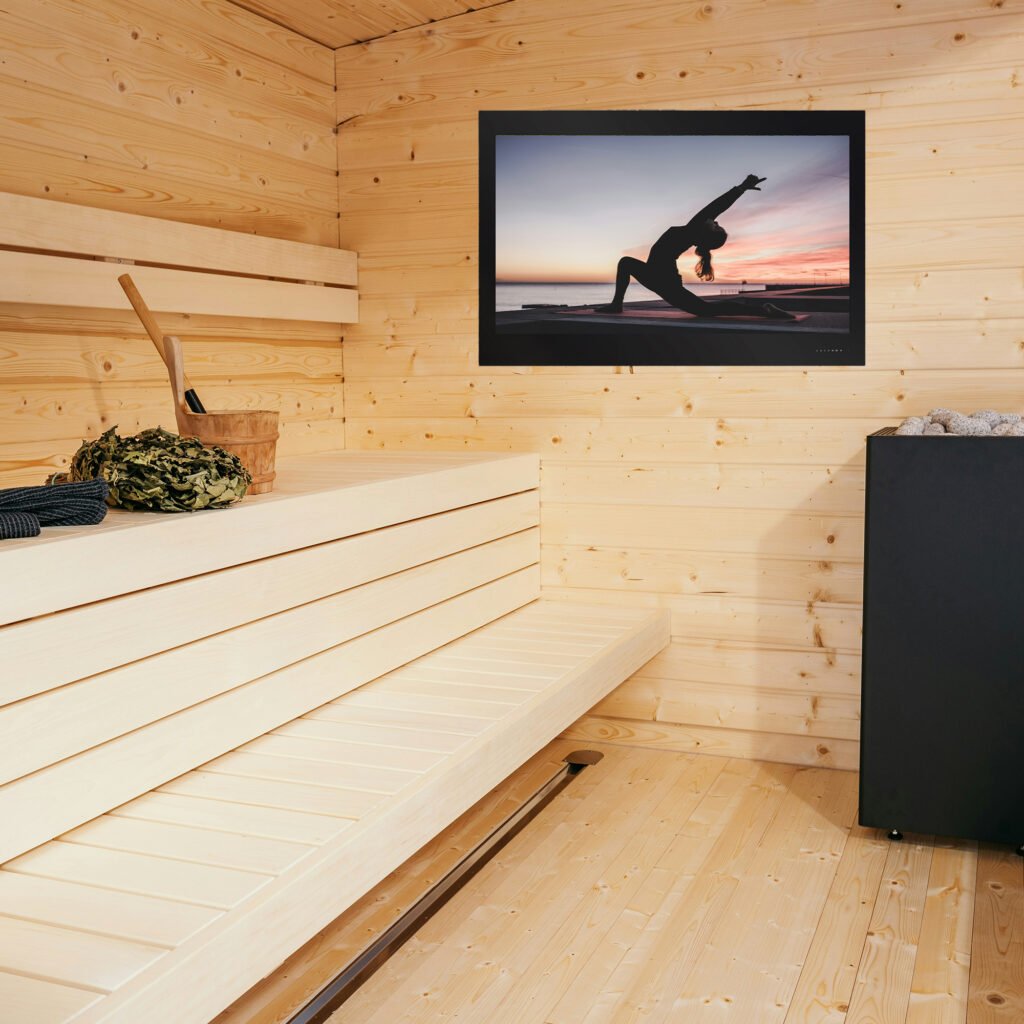
Here’s what an IPX4 rating actually means, and why it matters when you’re putting a TV in a humid or wet room such as a sauna, bathroom, kitchen, or spa.
What “IP” Means
IP stands for Ingress Protection. It’s an internationally recognized certification that measures how well a device is sealed against outside elements, including water.
The number after “IP” tells you the protection level. For water resistance, that number runs from 0 (no protection) to 8 (prolonged submersion). The higher the number, the more extreme the water exposure the product has been tested to handle.
How a Product Earns an IP Rating
IP ratings aren’t self-declared. They’re earned through standardized lab testing under IEC 60529, an international standard that defines exactly what each rating requires.
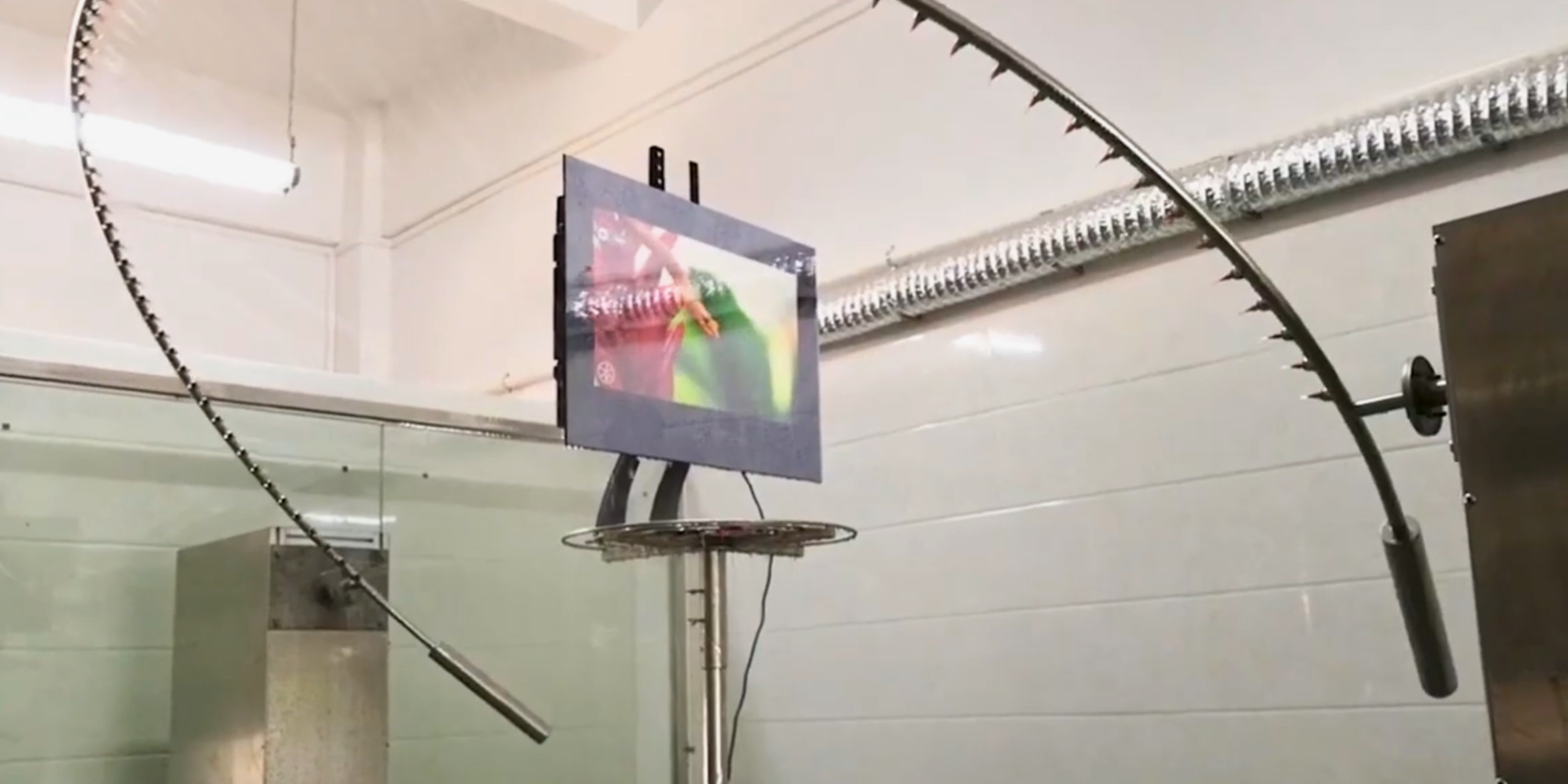
To earn a water-resistance rating, a product is subjected to controlled exposure — splashing, directed spray, jets, or submersion depending on the level being tested. It has to keep working afterward with no harmful water ingress.
This matters more than it might seem. Achieving any IP rating means a product has been independently tested and certified. It’s not a marketing claim. It’s a proven result.
What the Ratings Actually Mean
Here’s a plain-language breakdown of the water protection levels most relevant to home environments:
| Rating | What It Handles |
| IPX4 | Splashing from any direction |
| IPX5 | Low-pressure water jets |
| IPX6 | Powerful water jets |
| IPX7 | Submersion up to 1 meter for 30 minutes |
| IPX8 | Prolonged submersion at depth |
When Higher Isn’t Necessarily Better
It’s easy to assume that a higher IP rating automatically means a better product. But it doesn’t.
The right question is: what water exposure will this product actually face?
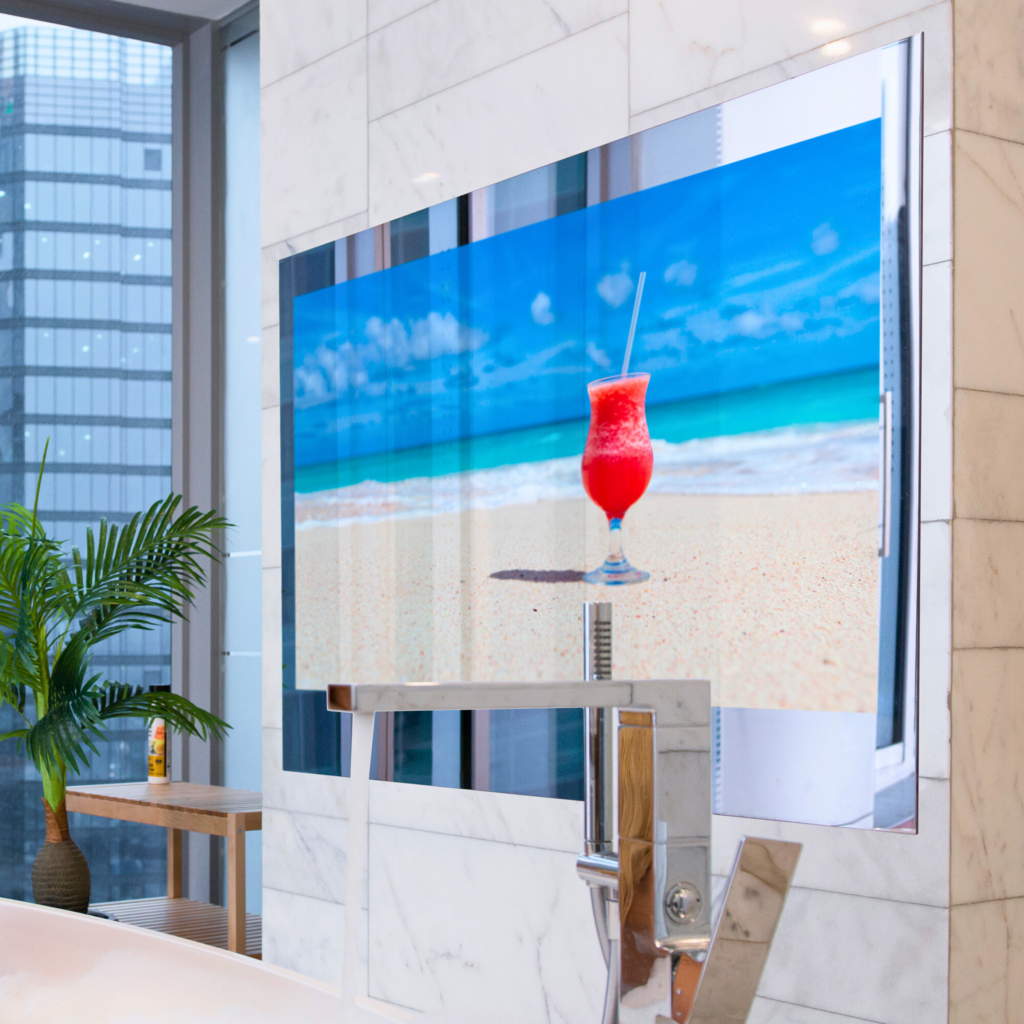
A bathroom sees steam and the occasional splash. A kitchen deals with humidity and the odd spill. A sauna produces heat, condensation, and moisture. None of these are hose-level or underwater conditions.
Matching the protection level to the actual environment is the point of the IP system. And if a product is over-engineered beyond what its environment demands, there’s a reasonable chance trade-offs were made elsewhere to achieve that higher rating.
Where Our TVs Fit
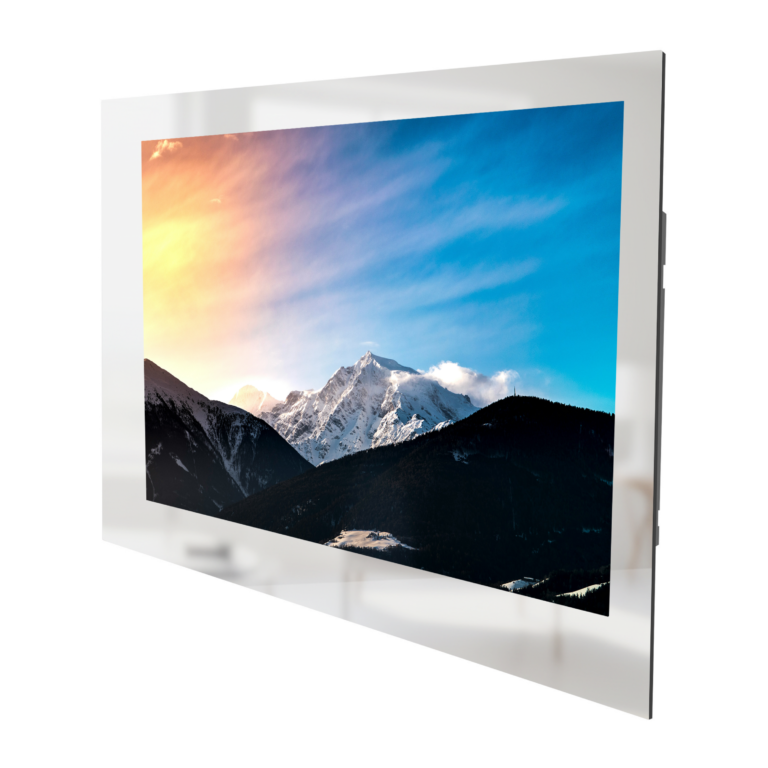
Our TVs are all certified with an IPX4 rating to handle splashing water from any direction.
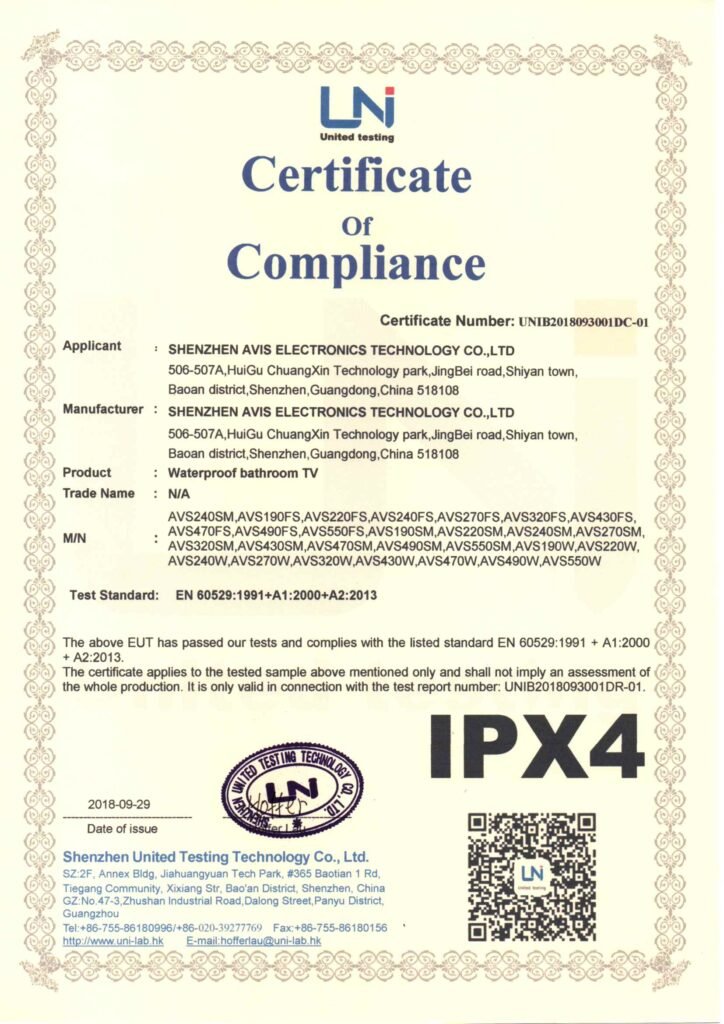
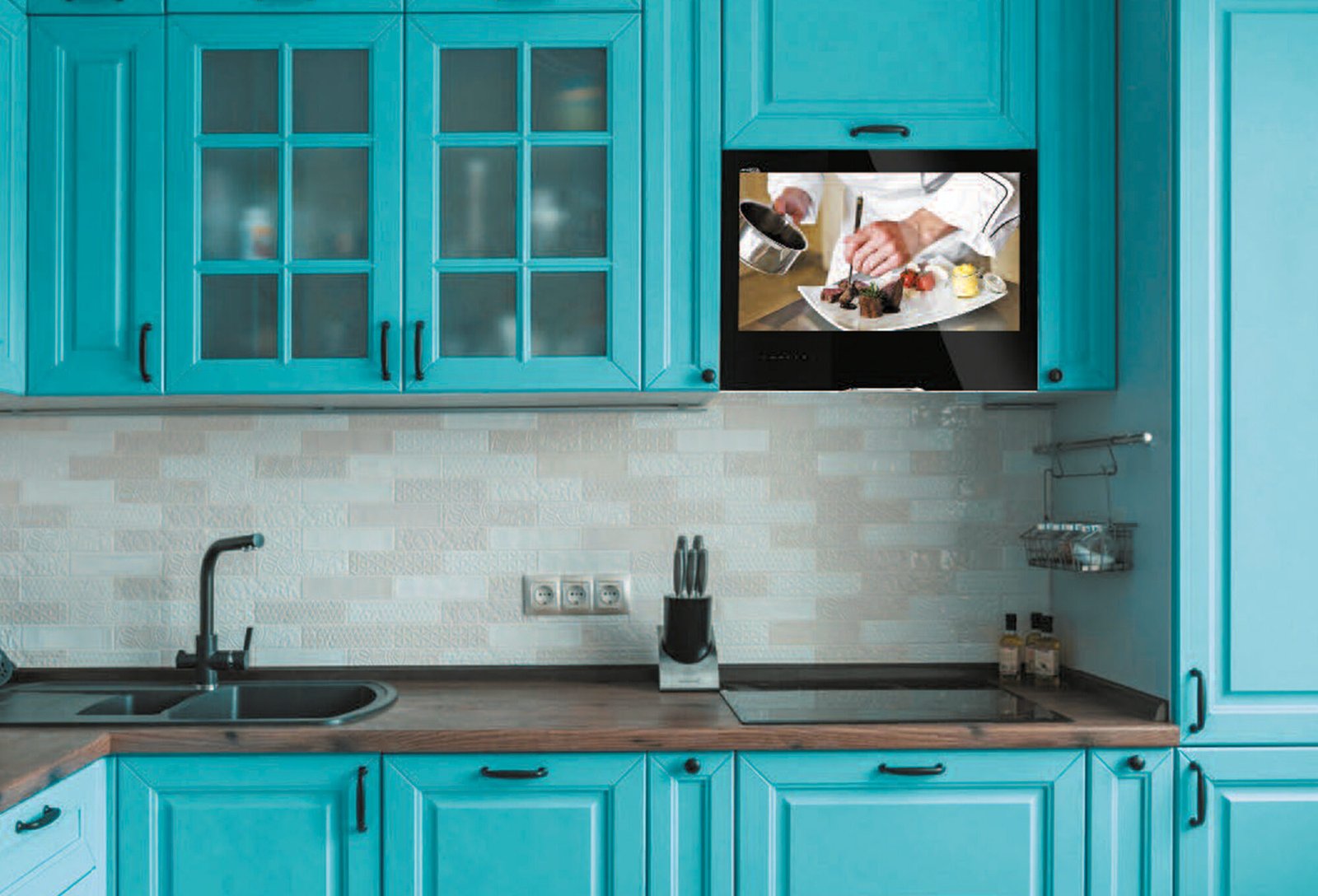
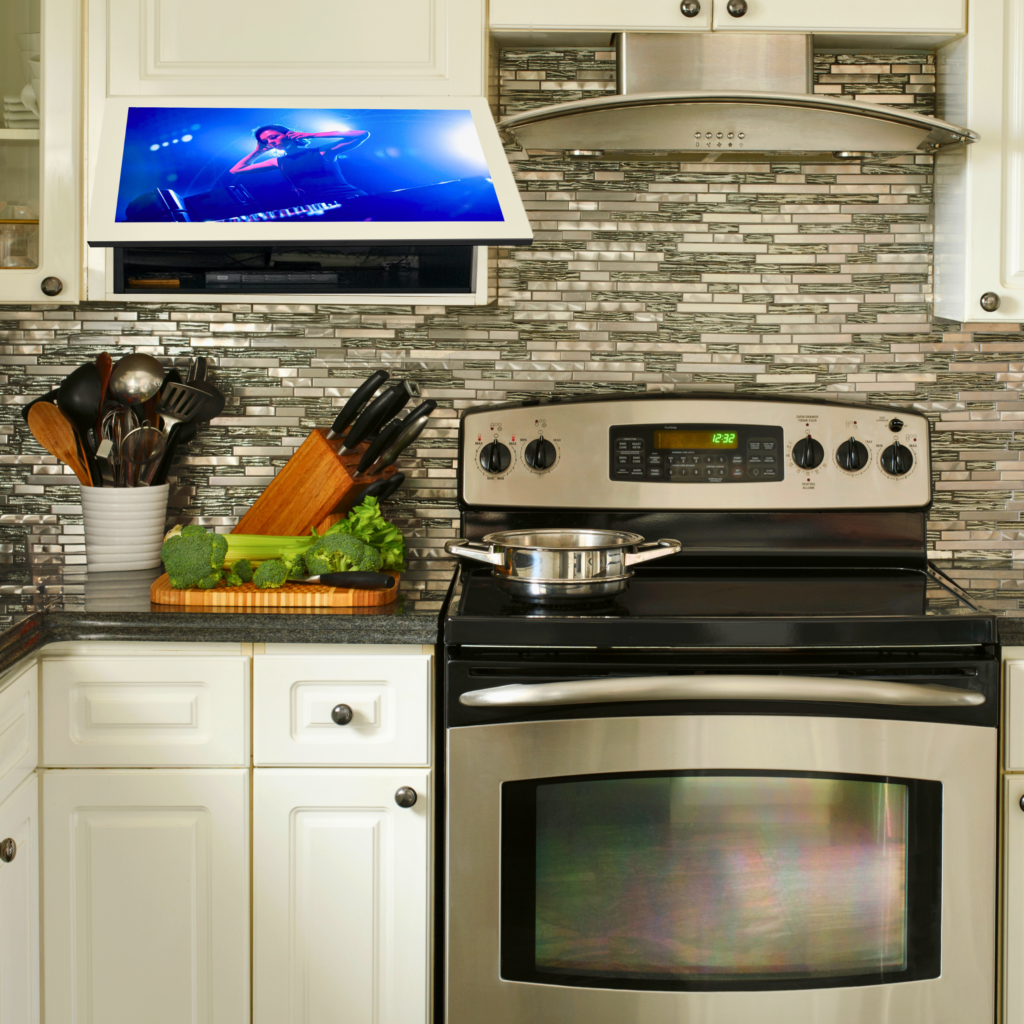
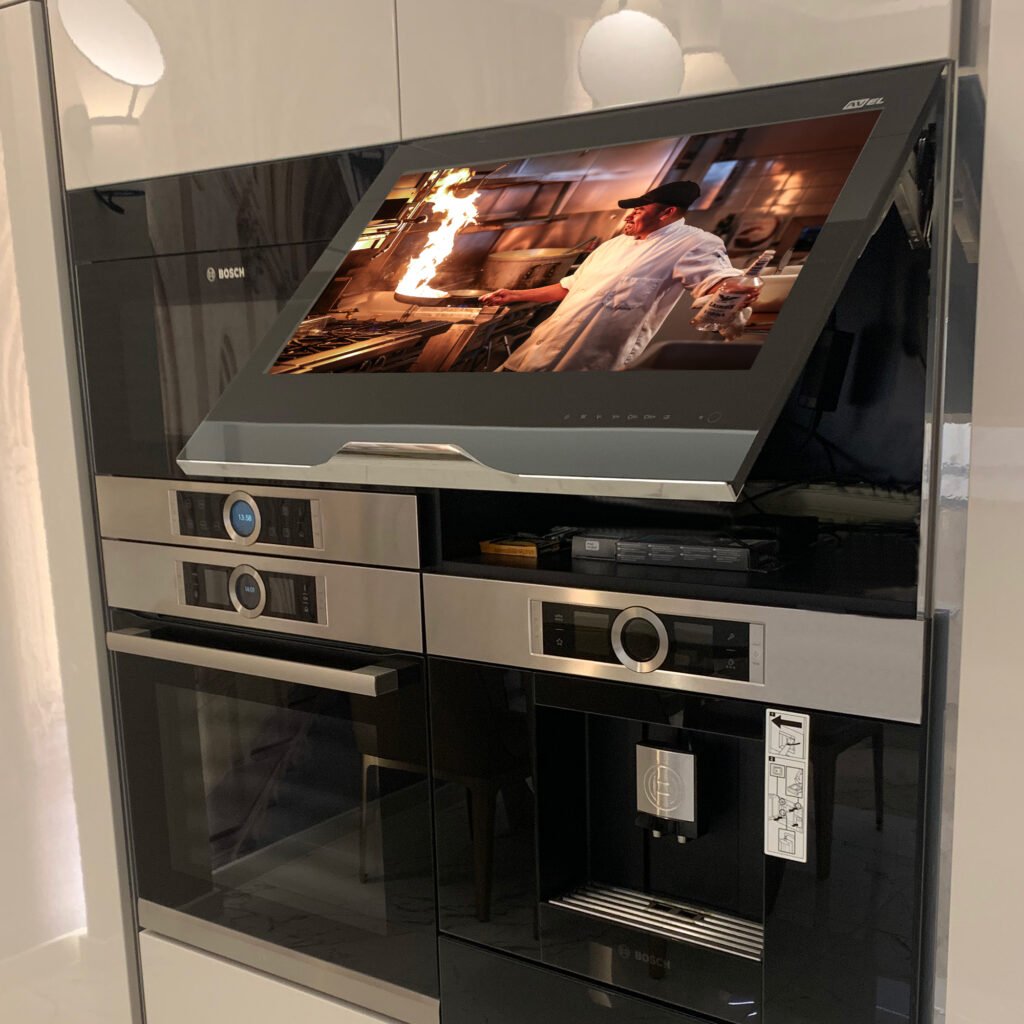
That’s exactly the level of exposure they’ll face in a bathroom, kitchen, or sauna. Steam, humidity, condensation, the occasional splash — all covered. Submersion or pressure-washing? Not what they’re designed for, and not an experience we hope you’ll ever have in your home.
IPX4 is exactly what you need for the humid and wet areas of your home.
Further Reading
- The International Electrotechnical Commission (IEC) — the organization that defines and maintains the IP rating standard.
- Wikipedia’s IP Code page.
- Our own product certifications page, including our IPX4 certifications.
Got questions about whether our TVs are right for your project? Give us a call or shoot us a note — we’re happy to help.