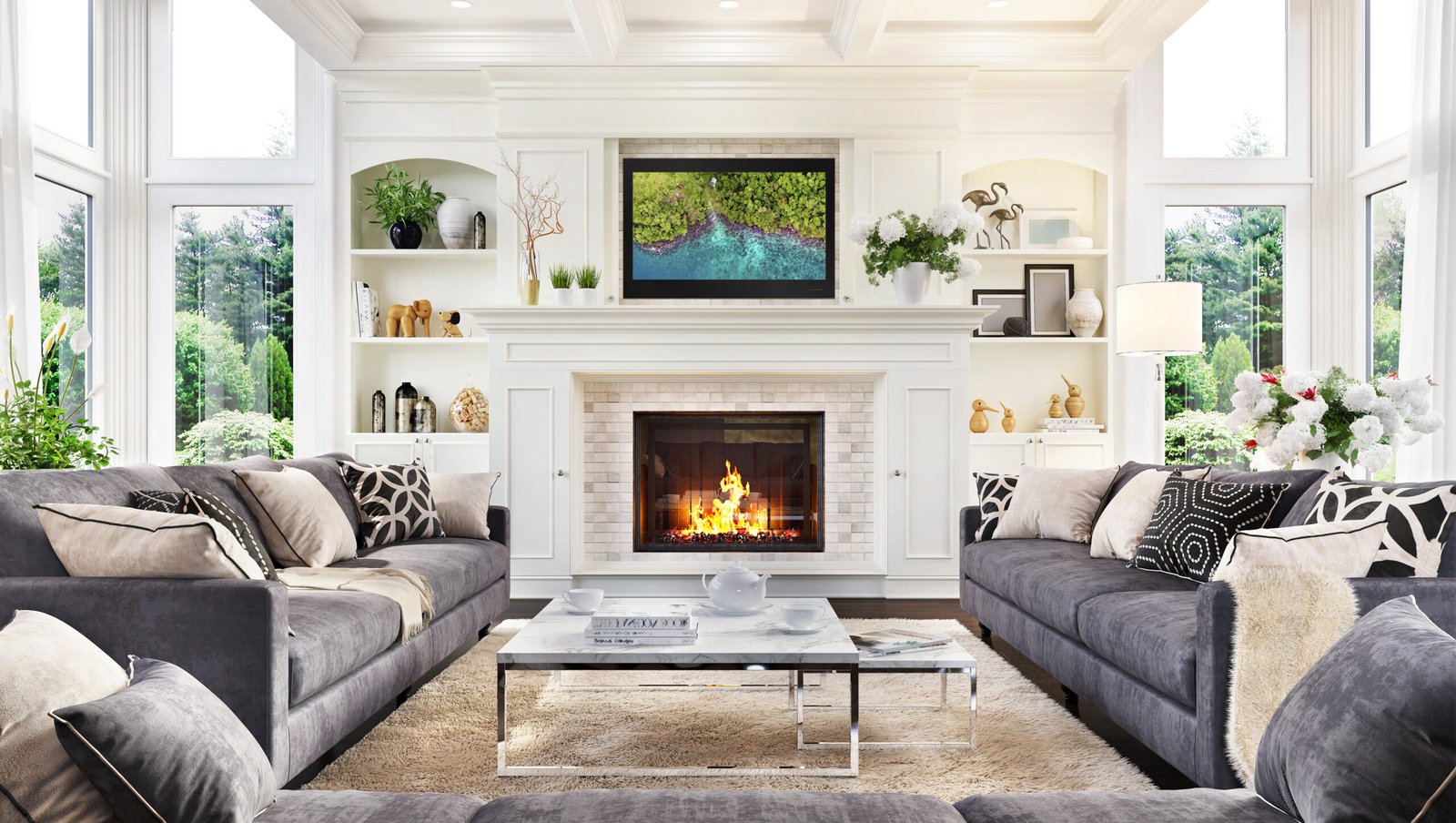
Installing an in-wall TV sounds like a major construction project.
It’s not.
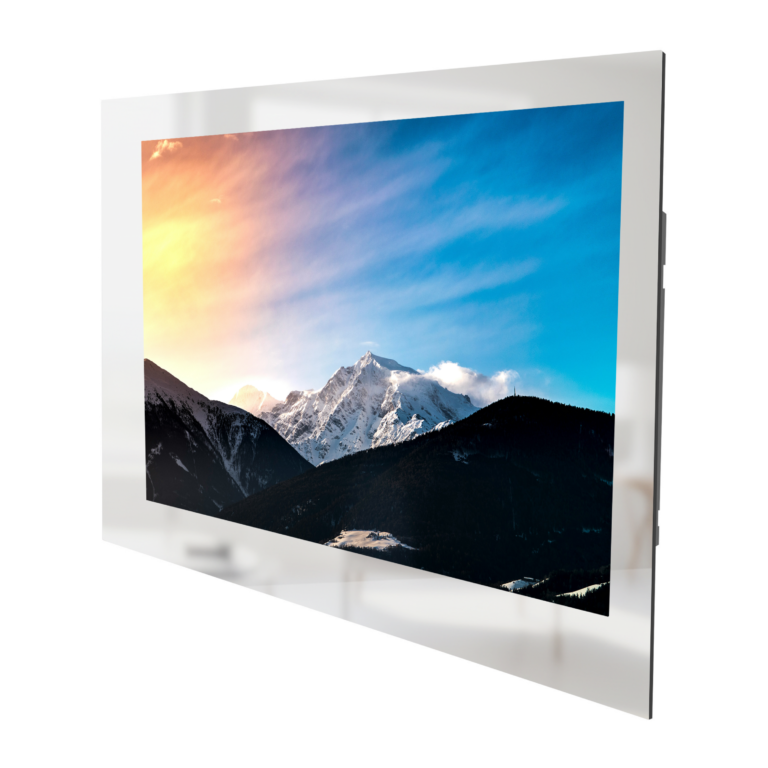
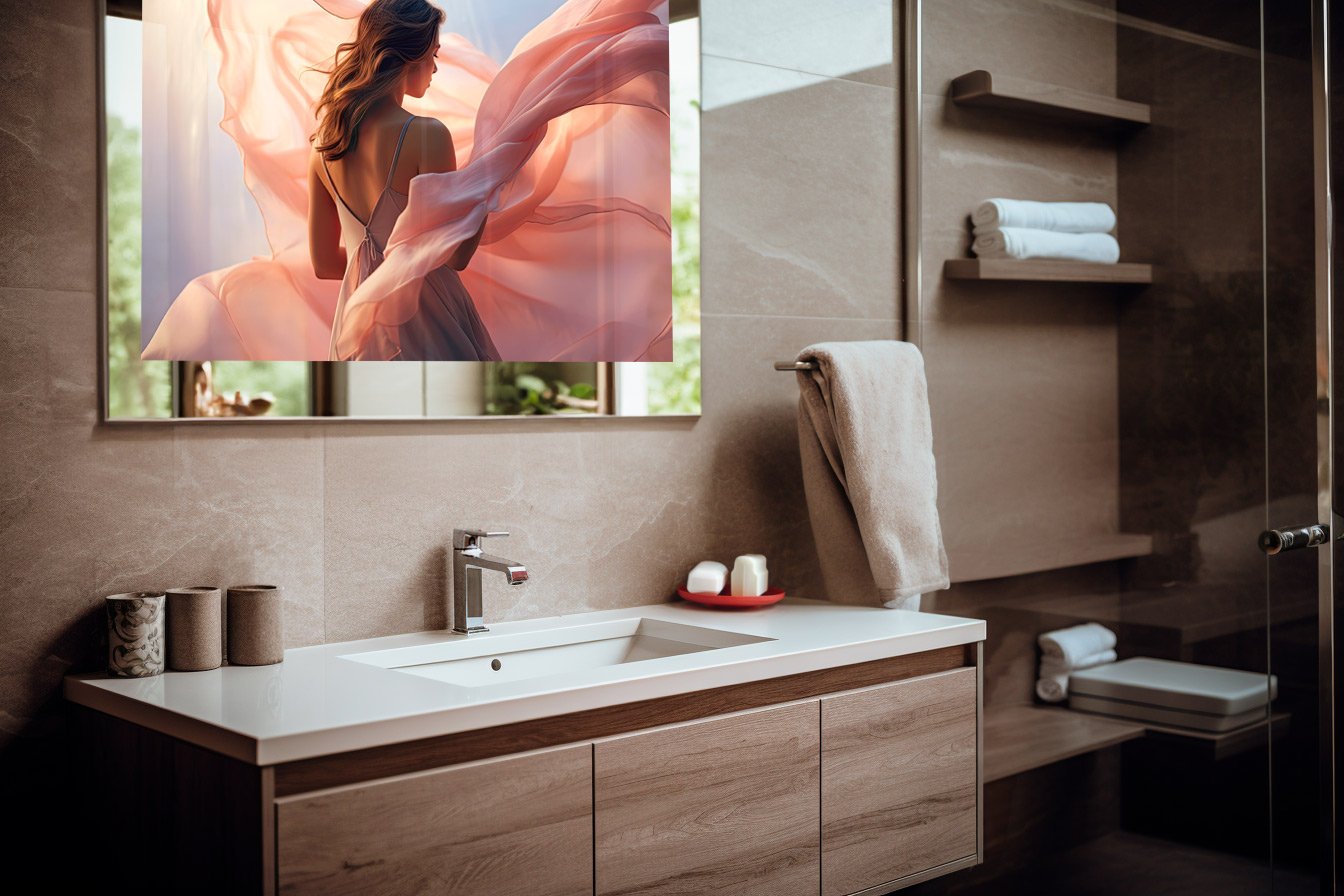
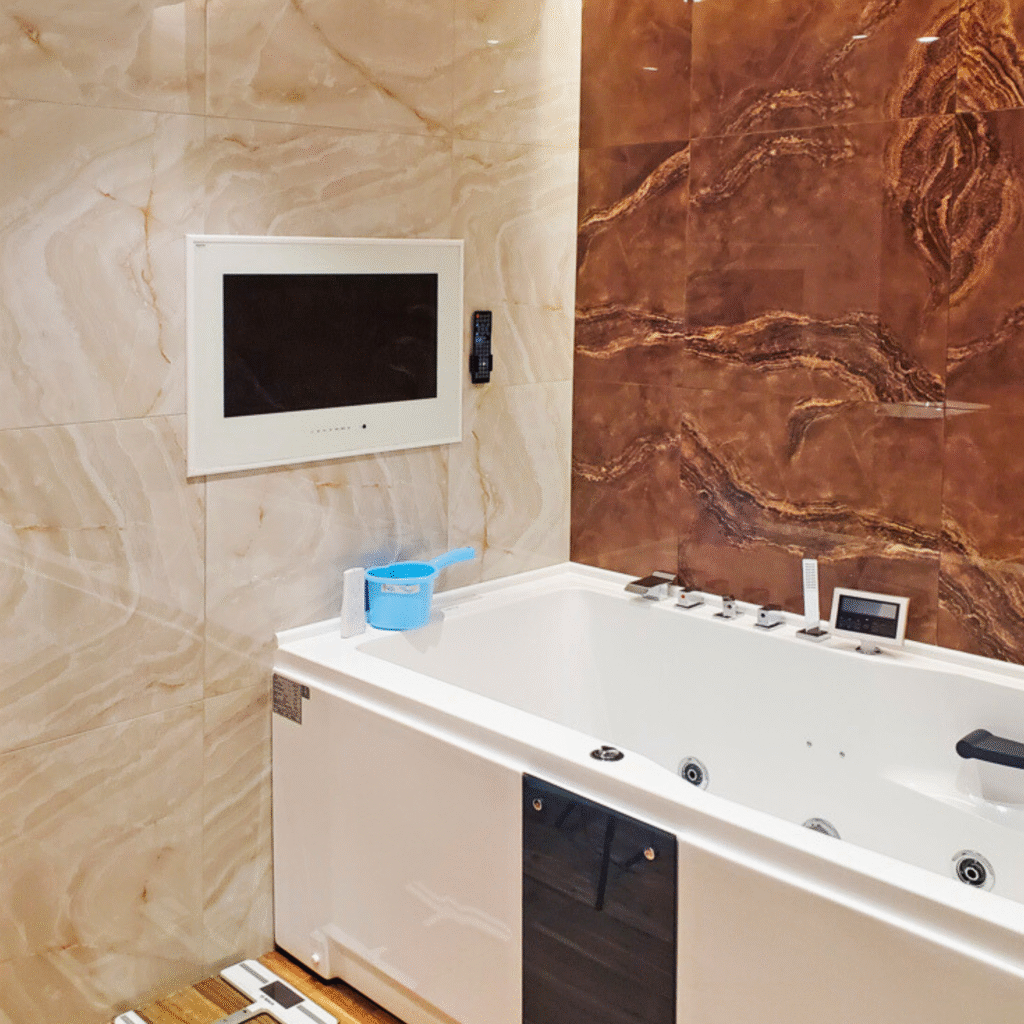
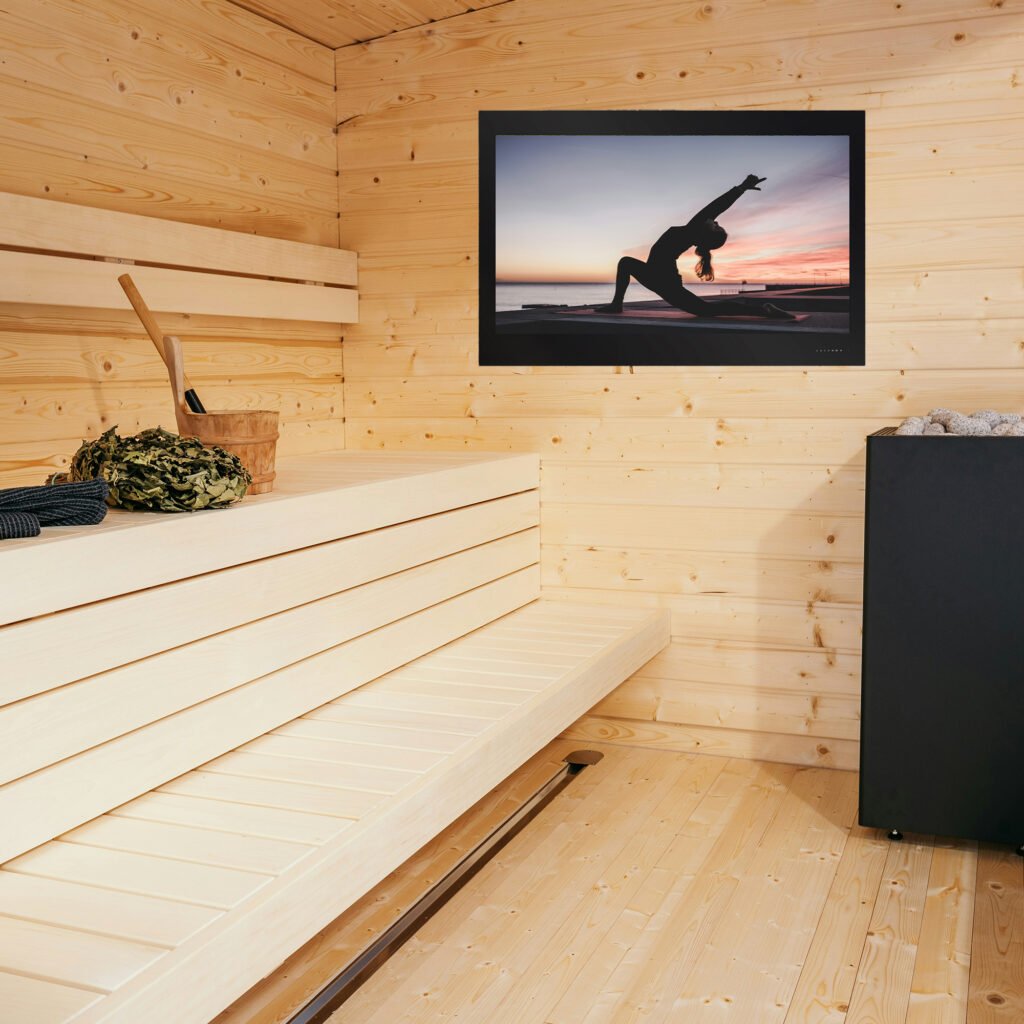
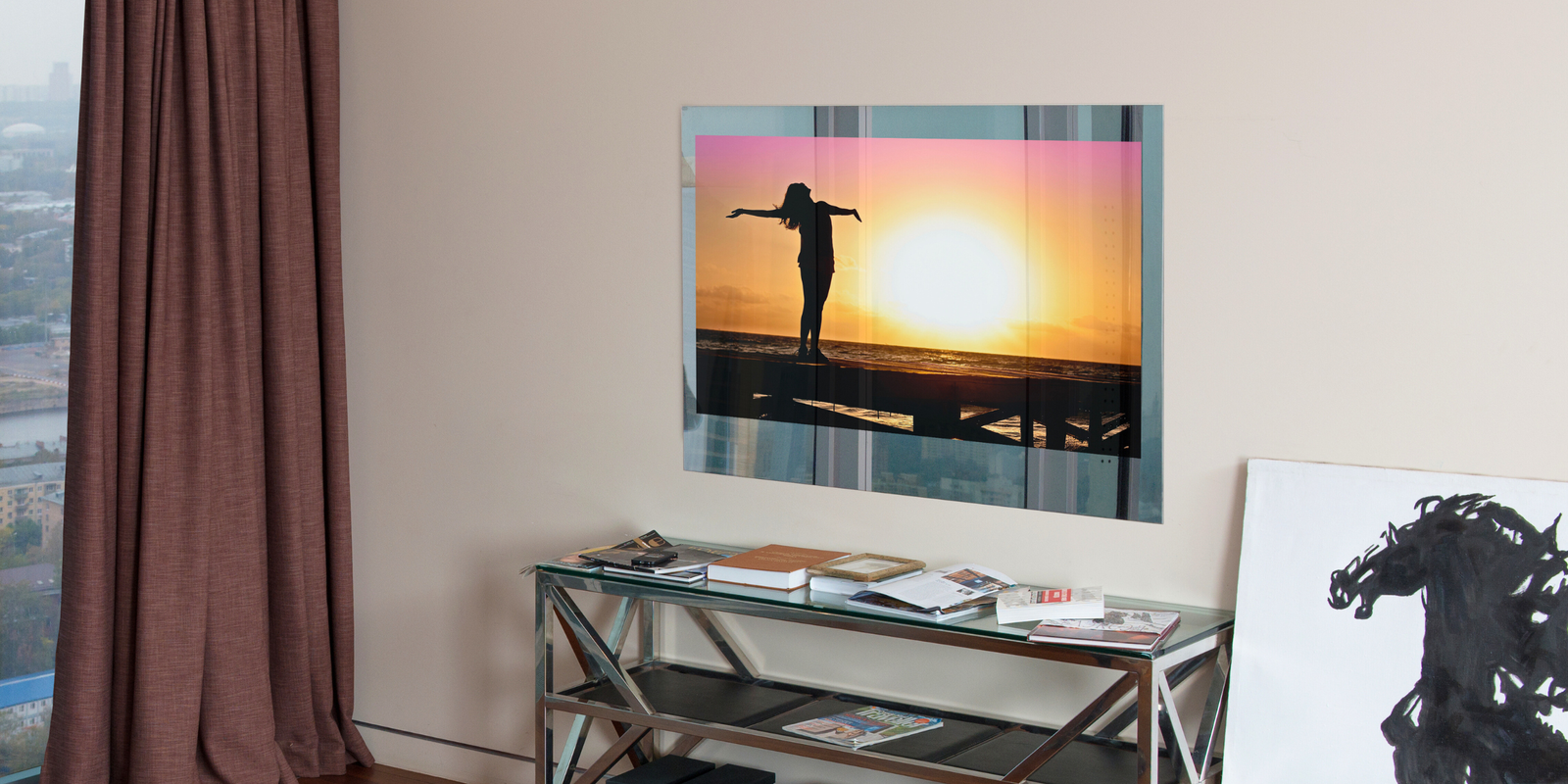
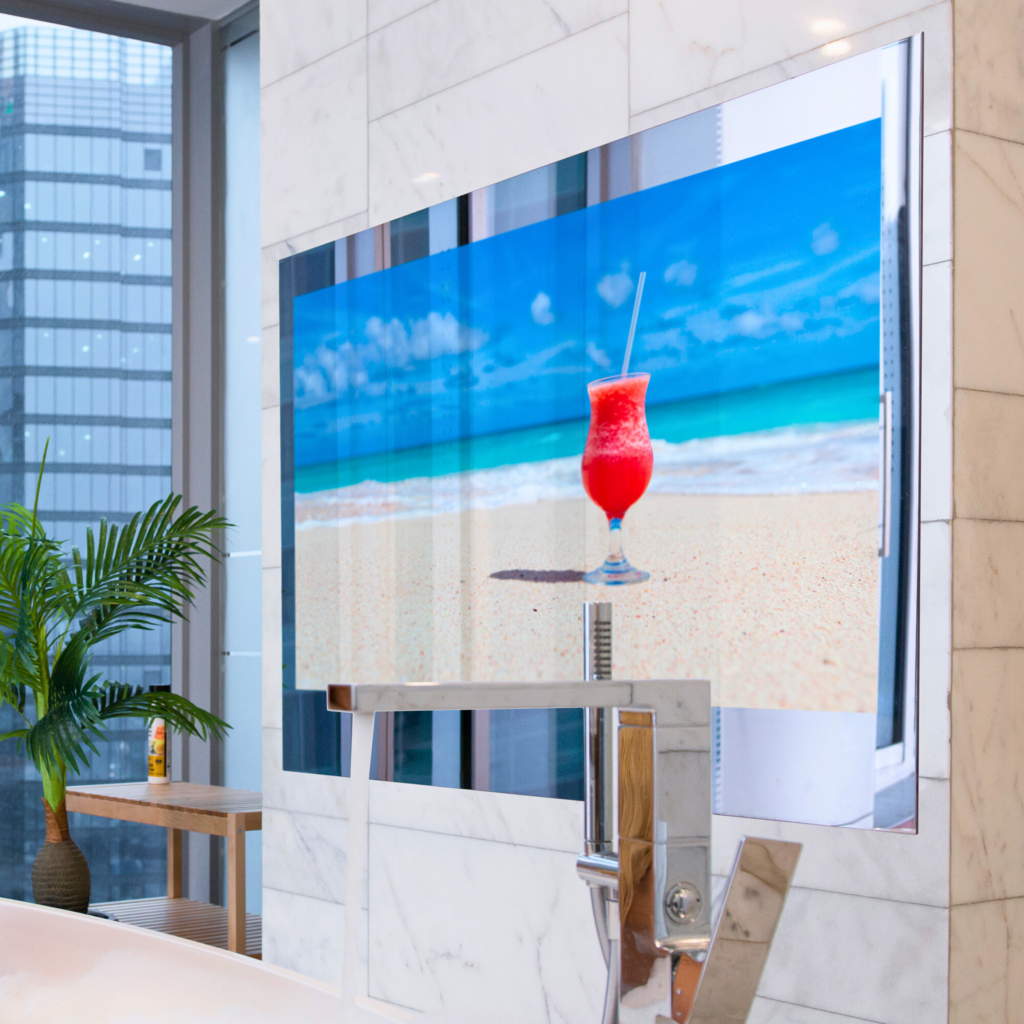
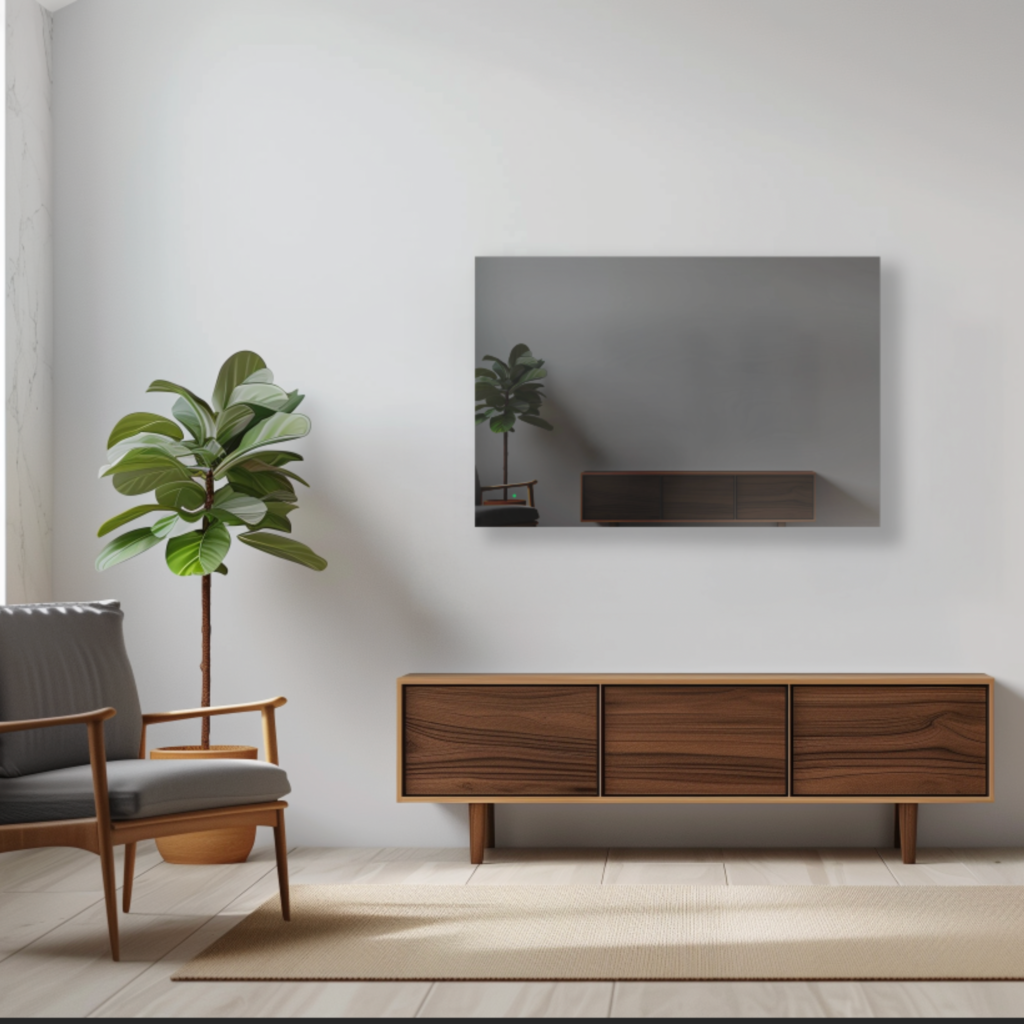
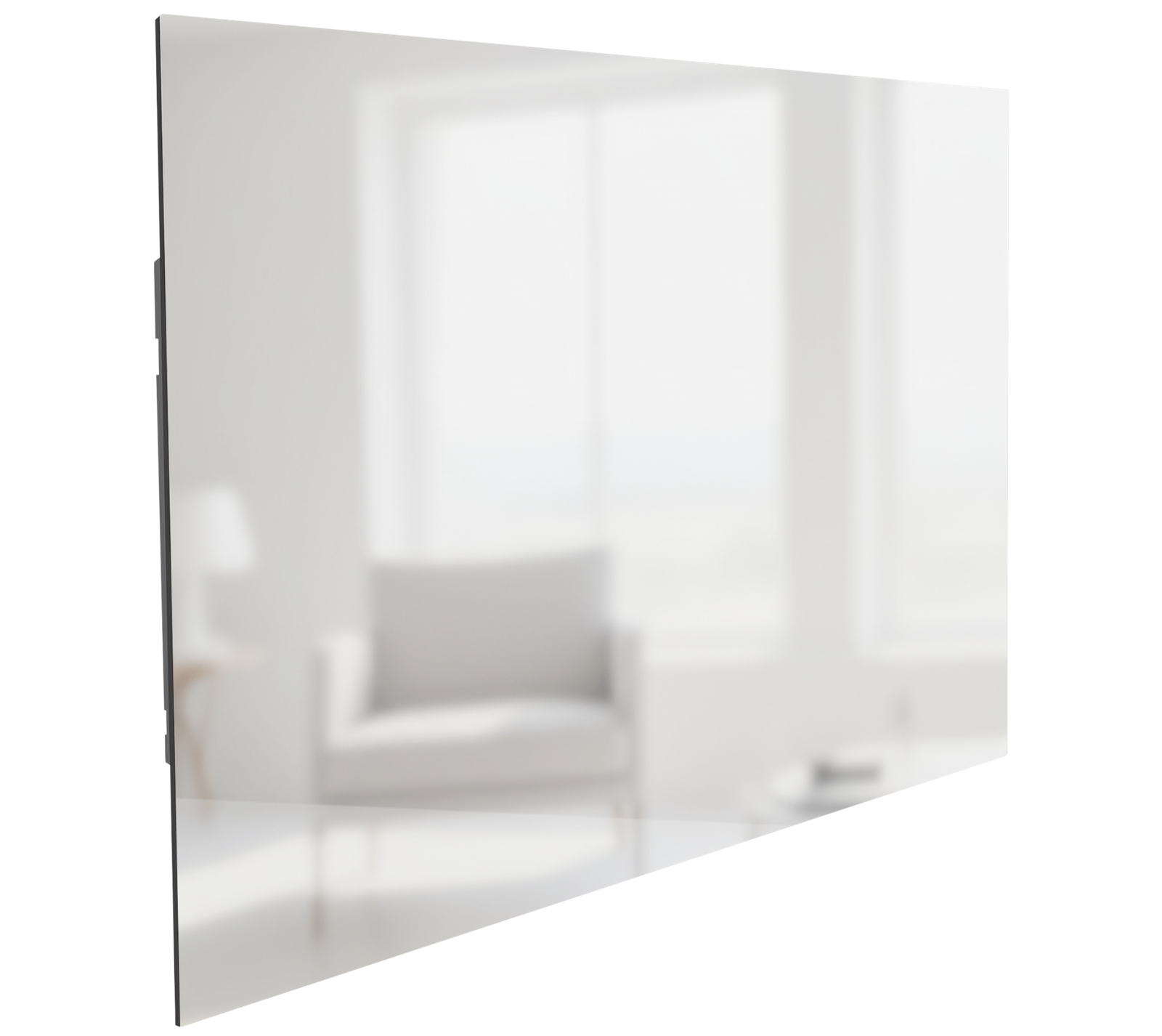
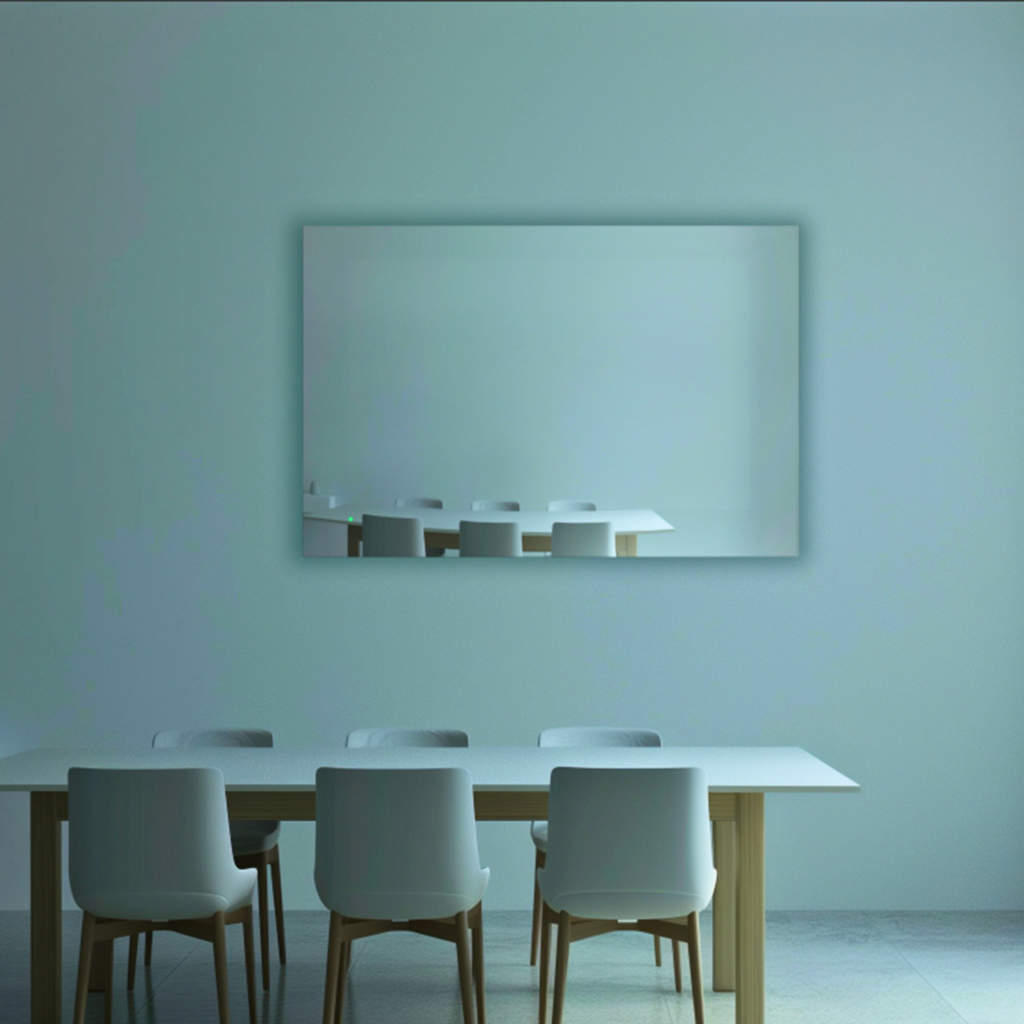
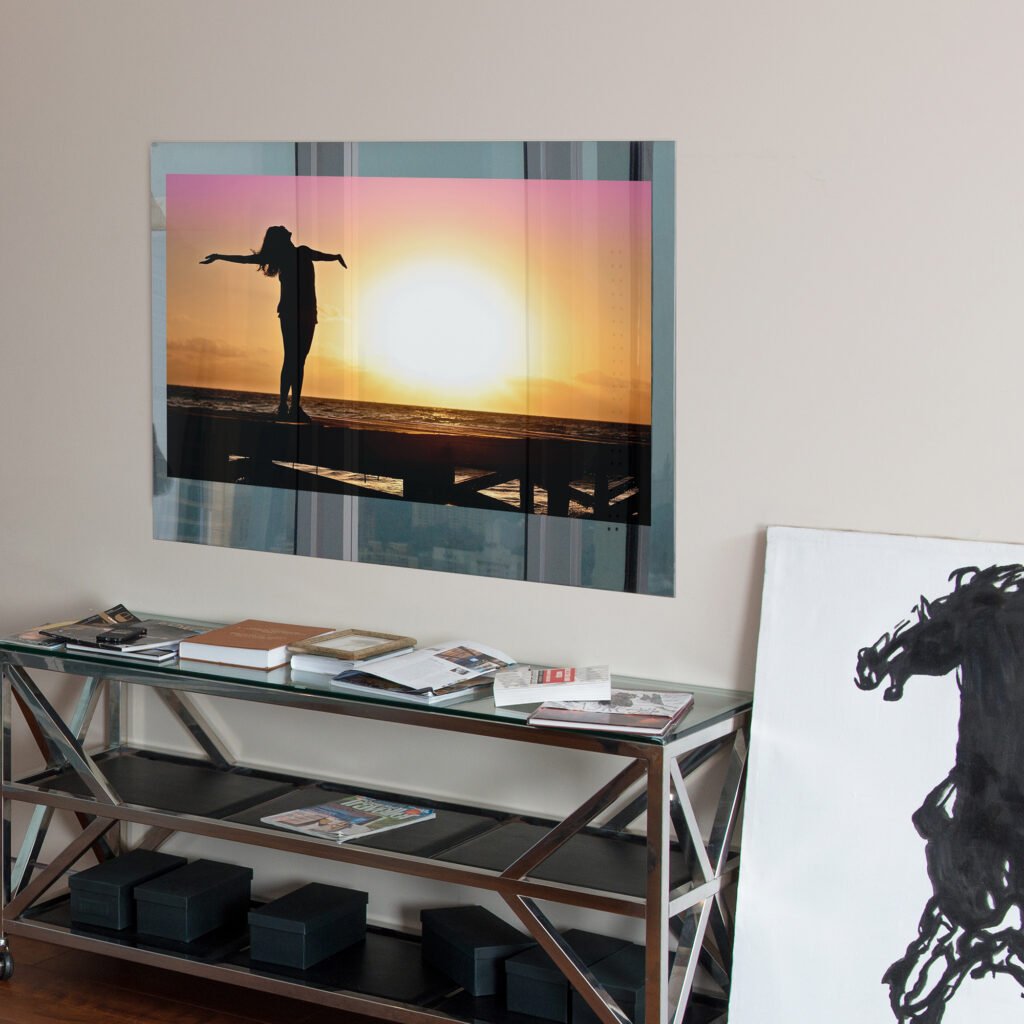
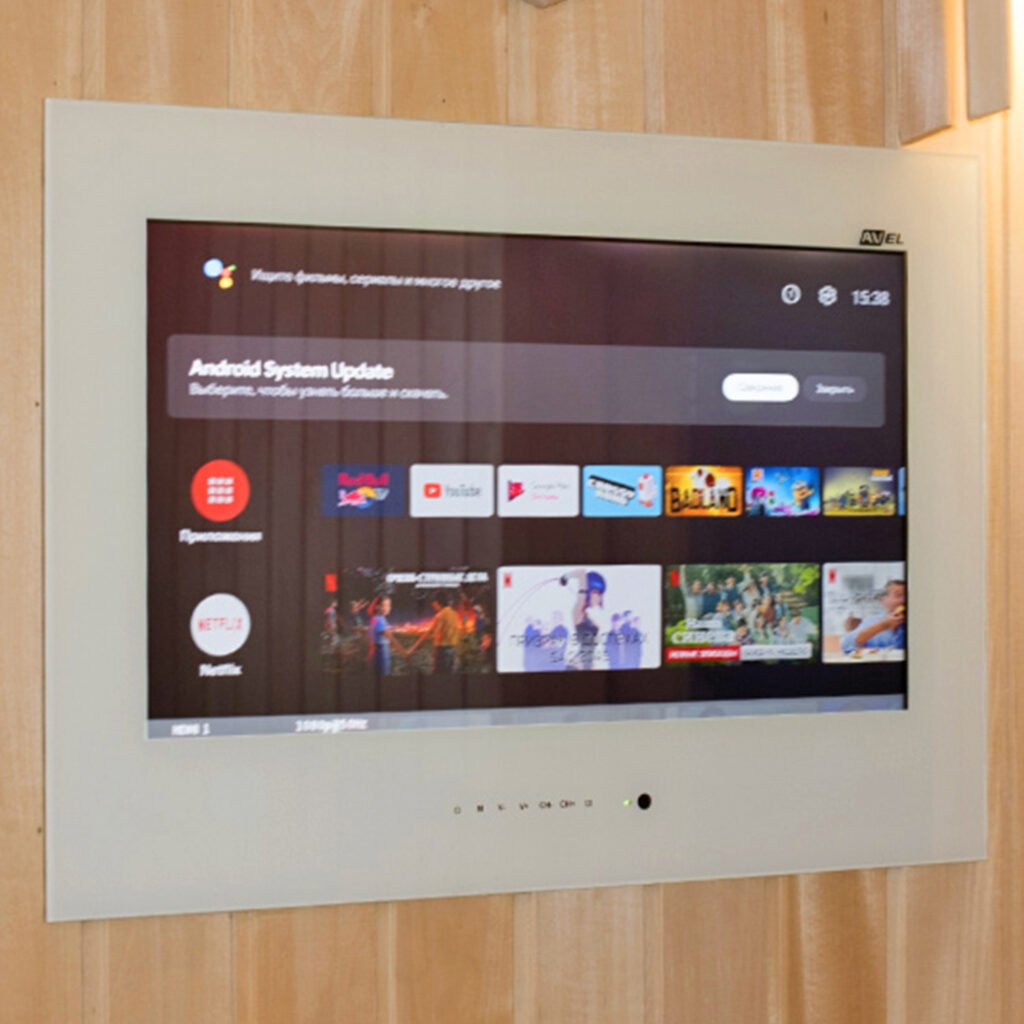
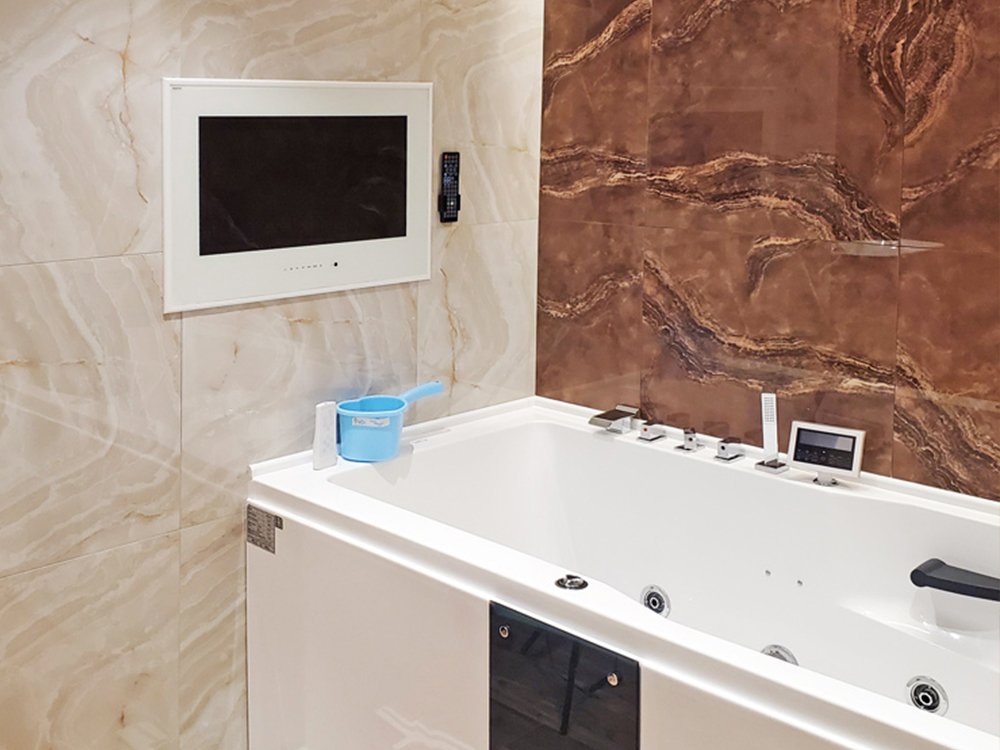
ParallelAV’s Magic Mirror TVs, Bathroom TVs, and Sauna TVs are all designed to be built into the wall. While they can be wall-hung like a regular television, they’re also engineered for recessed installation from the start.
If you’re planning ahead, the process for in-wall installation is clean, manageable, and very straightforward. This guide walks you through what to expect so there are no surprises.
Designed for Straightforward In-wall Installation
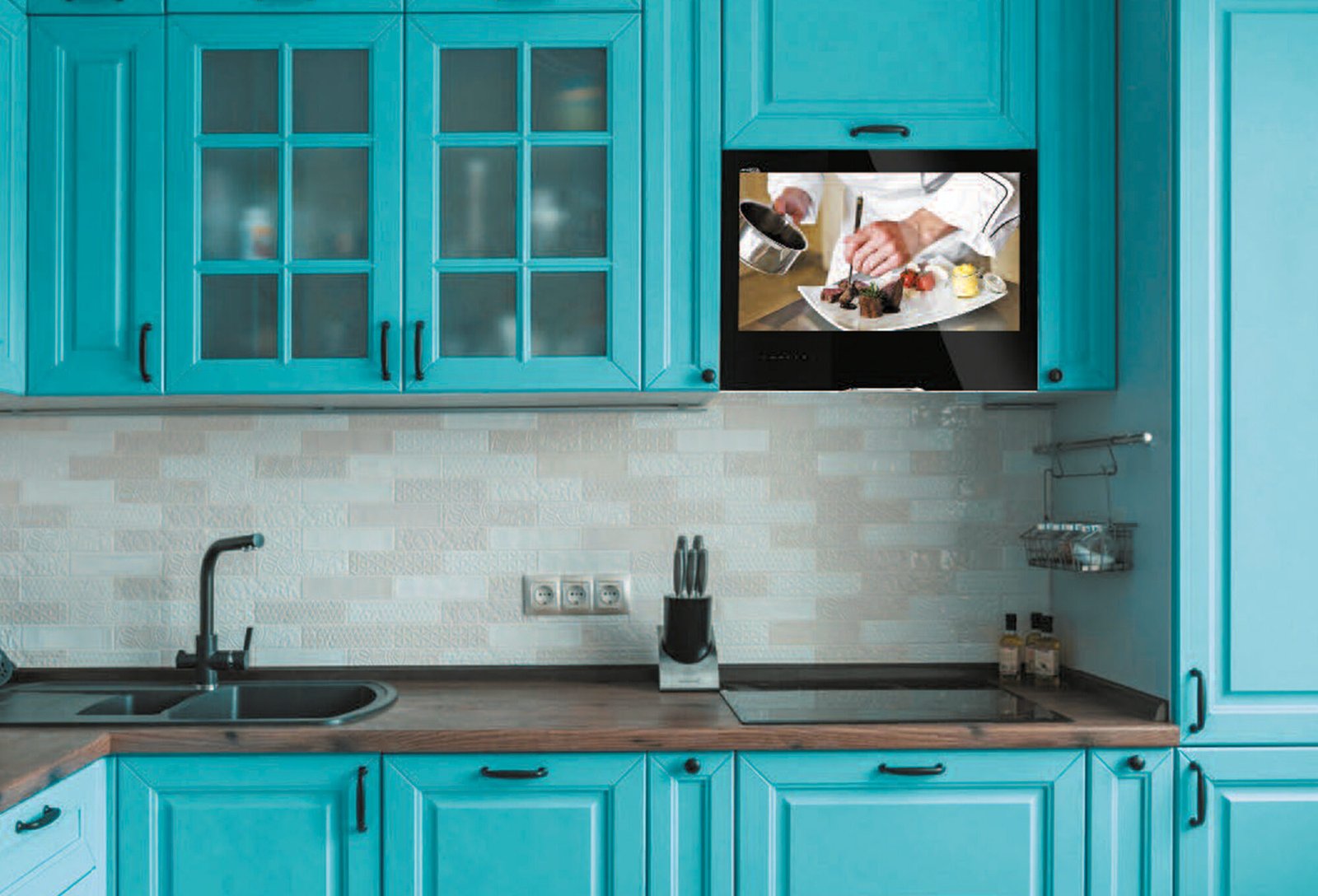
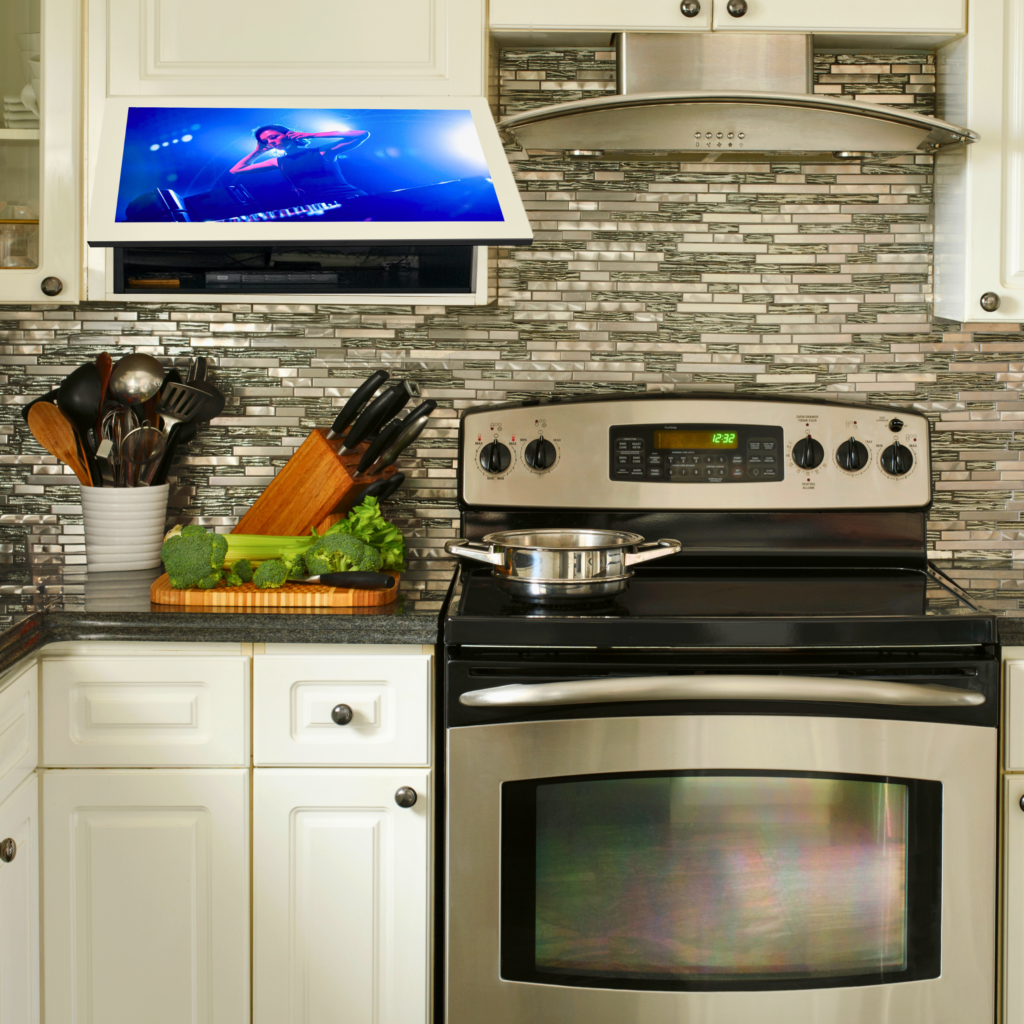
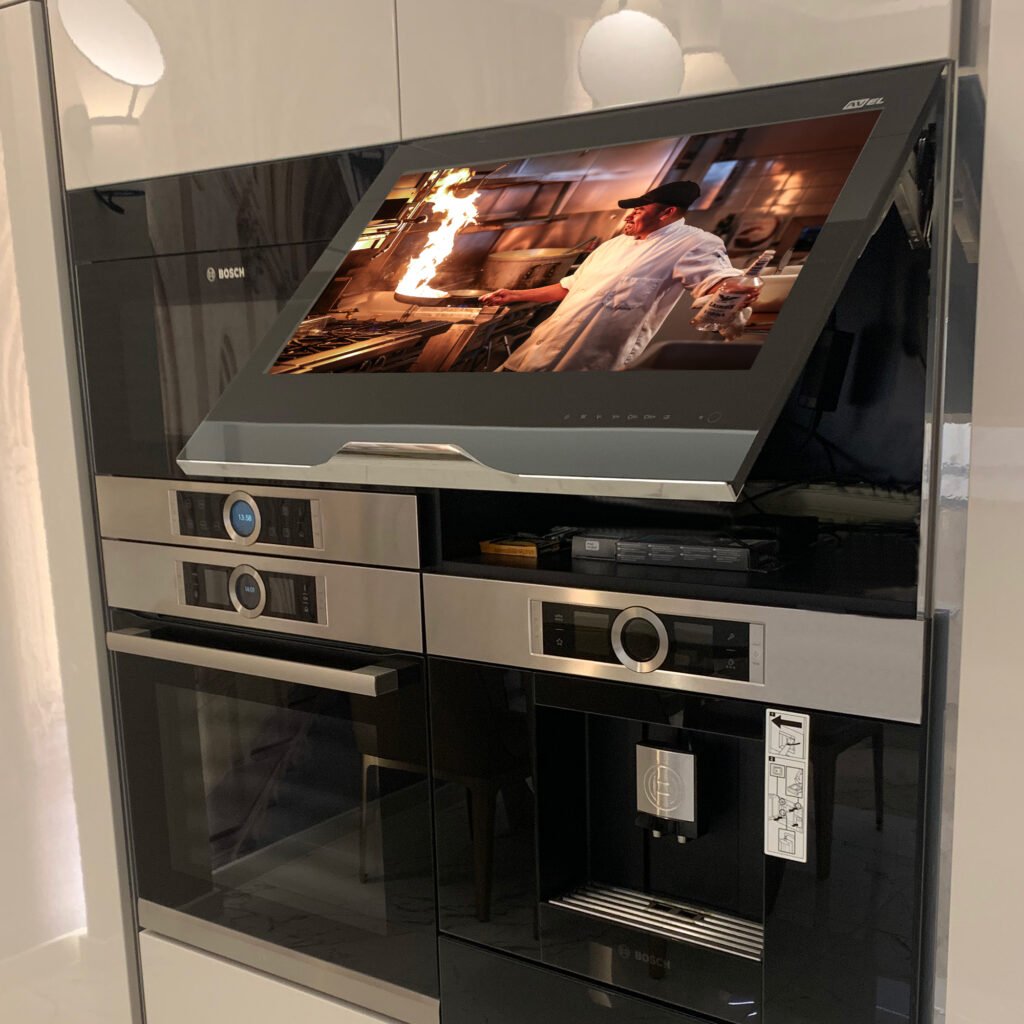
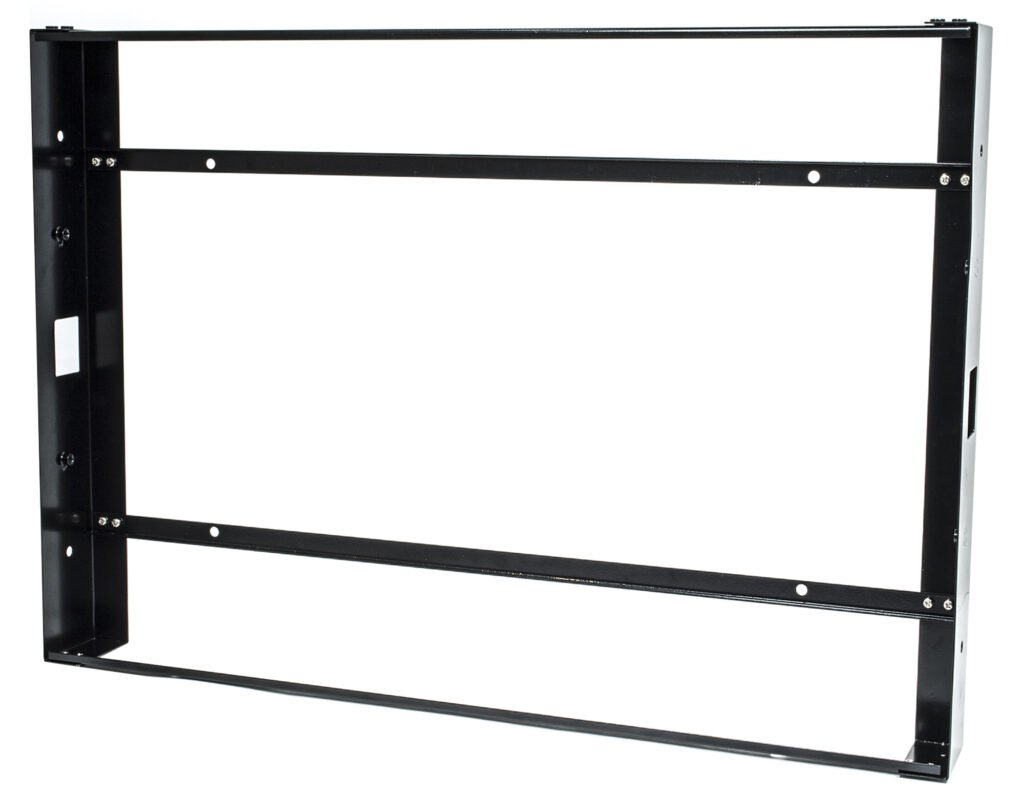
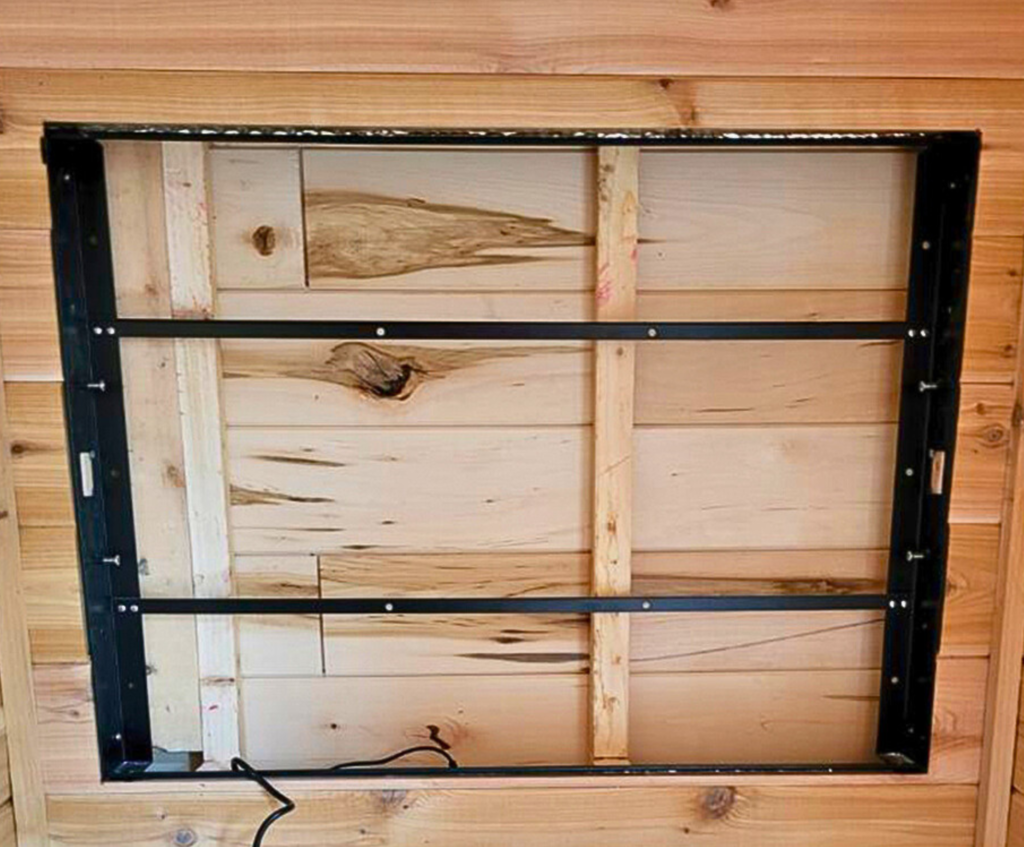
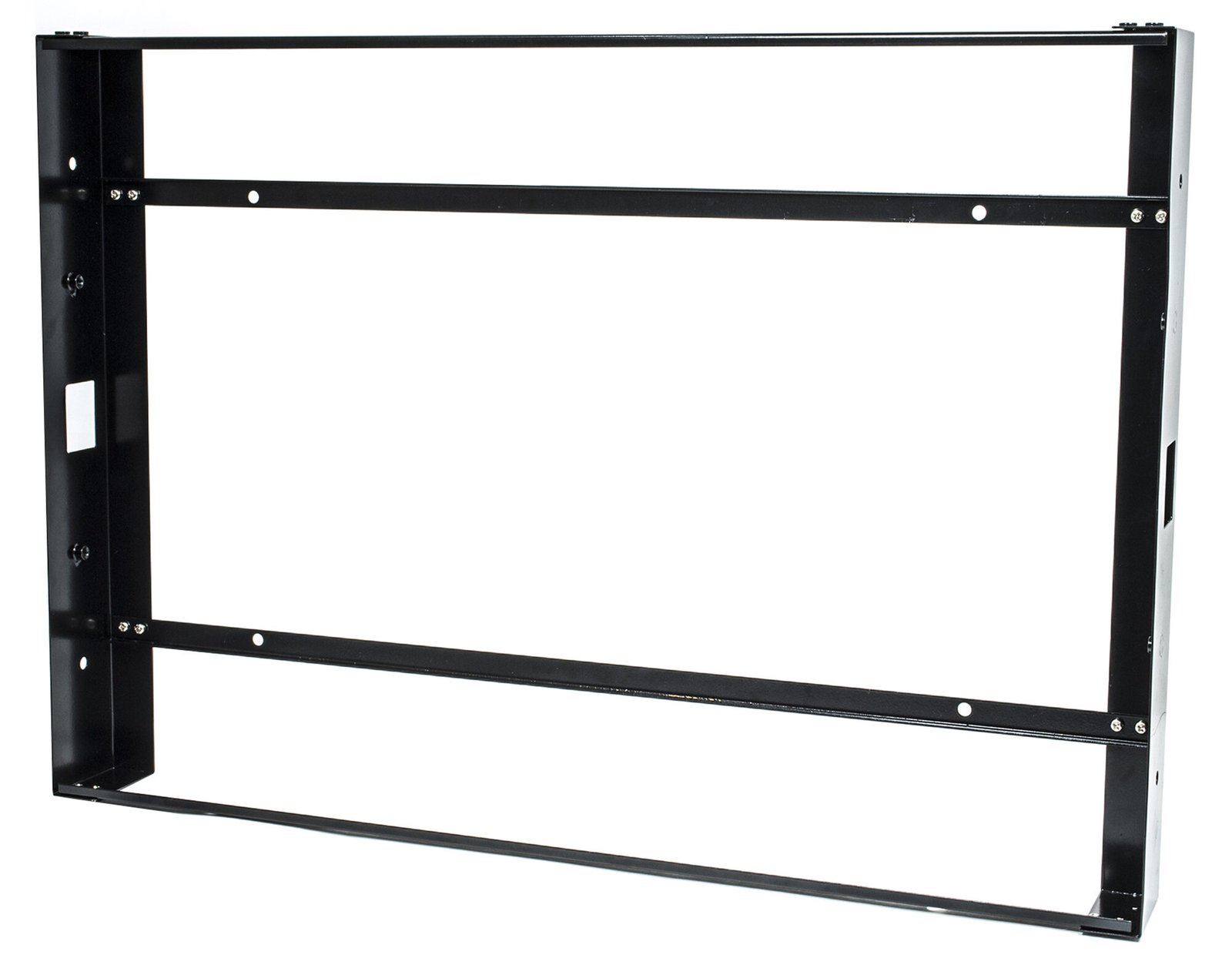
Every Parallel AV in-wall TV includes a custom-built framing system engineered specifically for that model. This includes all of our TVs except our Kitchen Cabinet TVs, which integrate into your kitchen cabinetry.
In other words, if you’re planning a TV for your bathroom, bedroom, sauna, living room, or any other room in your home, and you want the TV to sit flush with the wall, we have you covered out of the box. You do not need to source separate framing or mounting hardware.
This means:
- No guesswork on fit
- No custom brackets
- No compatibility issues
- No searching for third-party parts
Your work with a system designed for the exact TV you purchased.
Step-By-Step Instructions Are Included
Each TV includes a detailed installation guide covering:
- Wall preparation
- Framing setup
- Electrical planning
- Final mounting and securing
If you or your installer has experience with recessed lighting, built-in shelving, or wall niches, this process will feel familiar.
How Much Wall Depth Do You Need?
One of the most common concerns about installing an in-wall TV is wall depth.
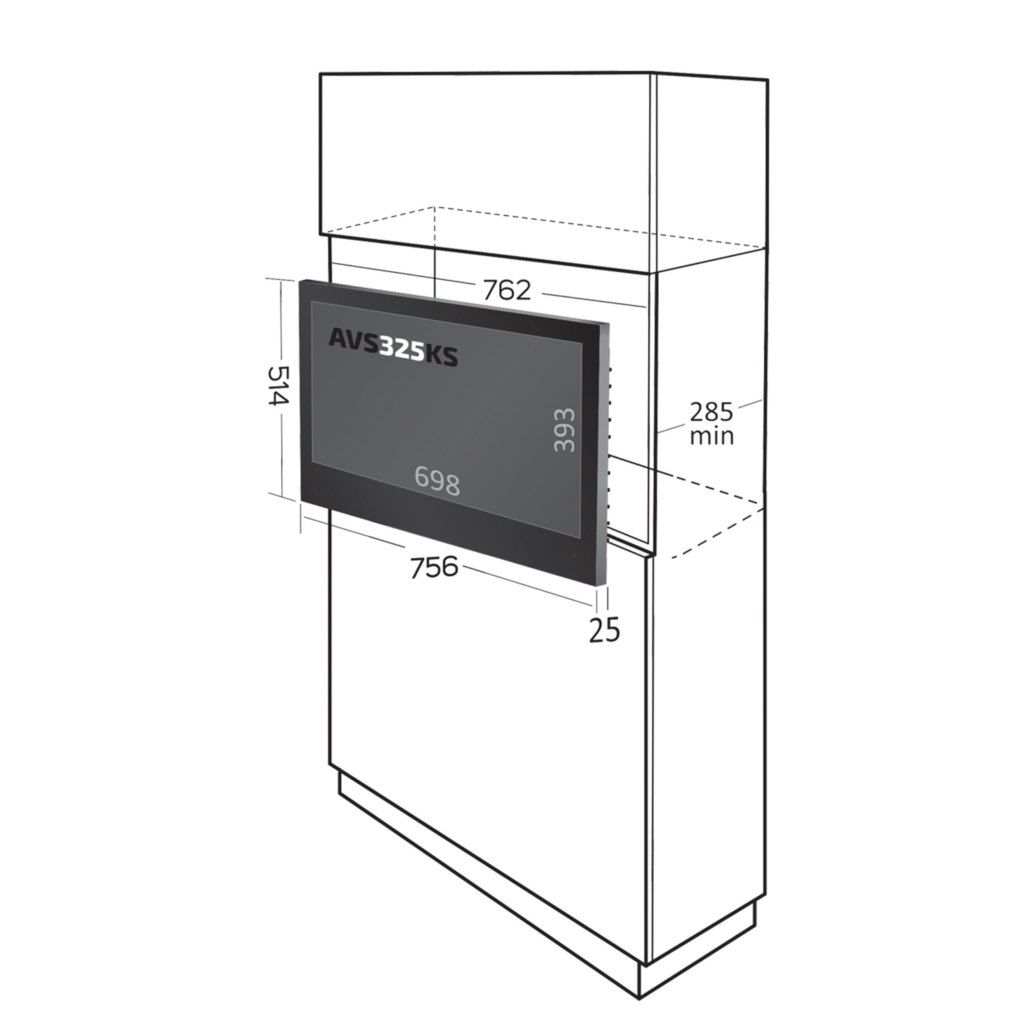
Even our largest 75” model requires fewer than 3 inches.
Depth Requirements by Size
| TV Size | Required Depth |
| 24” | 2.20” |
| 32” | 2.38” |
| 43” | 2.54” |
| 55” | 2.85” |
| 65” | 2.80” |
| 75” | 2.80” |
Most standard interior walls can accommodate these dimensions. Your installer should confirm cavity depth before cutting, especially in older homes.
Installable in Virtually Any Wall, Although Solid Walls Require More Preparation
While most U.S. homes use drywall, we’ve installed in-wall TVs into many other wall types, including:
- Plaster
- Brick
- Marble
- Stone
- Stucco
- Tile
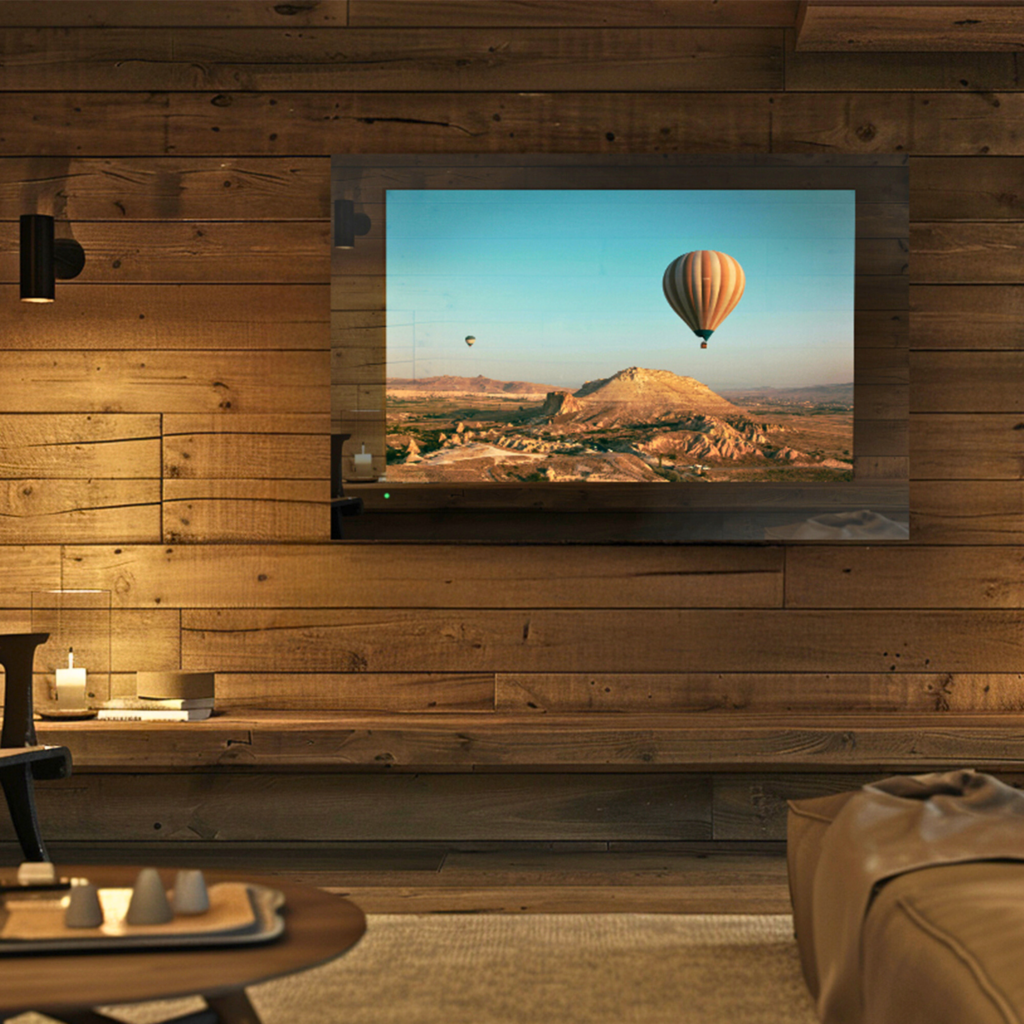
- Custom millwork
The wall material changes the cutting method, not the installation concept.
A properly sized recess is created, the included framing system is secured, and the surface is finished cleanly around the display.
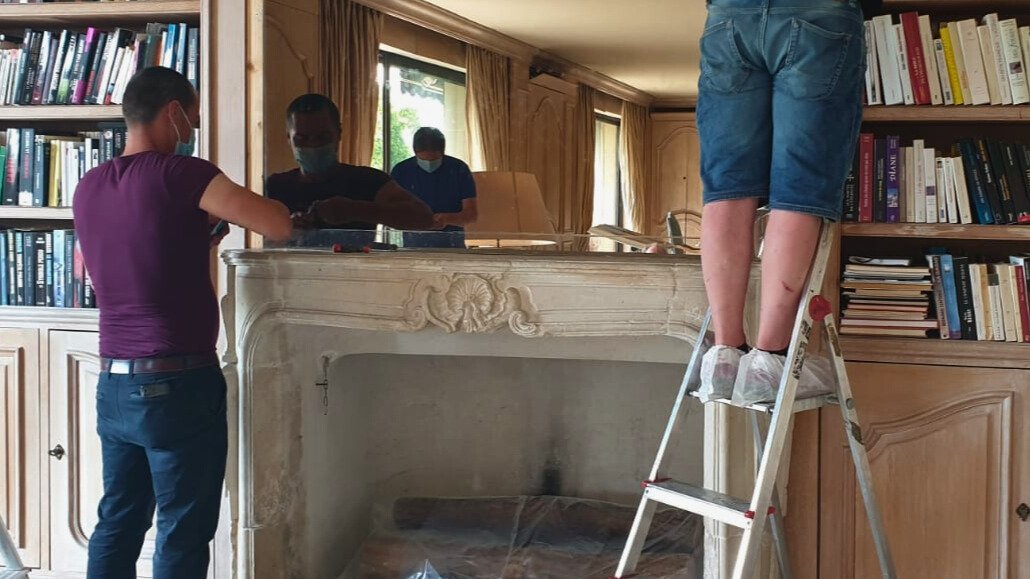
Here’s an example of a stone wall install from Europe:
For masonry or stone, we recommend working with a contractor familiar with those materials. For someone with the right experience, these types of installations are common and very achievable with the right tools.
And, of course, if you’re installing your TV into drywall, the process is extremely straightforward.
Electrical Planning: What You’ll Need
If you want a clean look with no visible wires, power will need to be routed inside the wall.
That typically means:
- An outlet at the installation location
- In-wall cable routing
- GFCI protection in wet areas
If power isn’t already available at that location, a licensed electrician may need to run a new line.
This is typically the most technical part of installing an in-wall TV. It applies to any recessed display, not just ours.
The Bottom Line
Installing an in-wall TV requires some planning, but in almost all cases it’s an extremely straightforward procedure.
Before installation, we recommend that you confirm:
- Wall depth
- Wall type
- Electrical access
Once you have an understanding of those three variables, the process is straightforward and manageable.
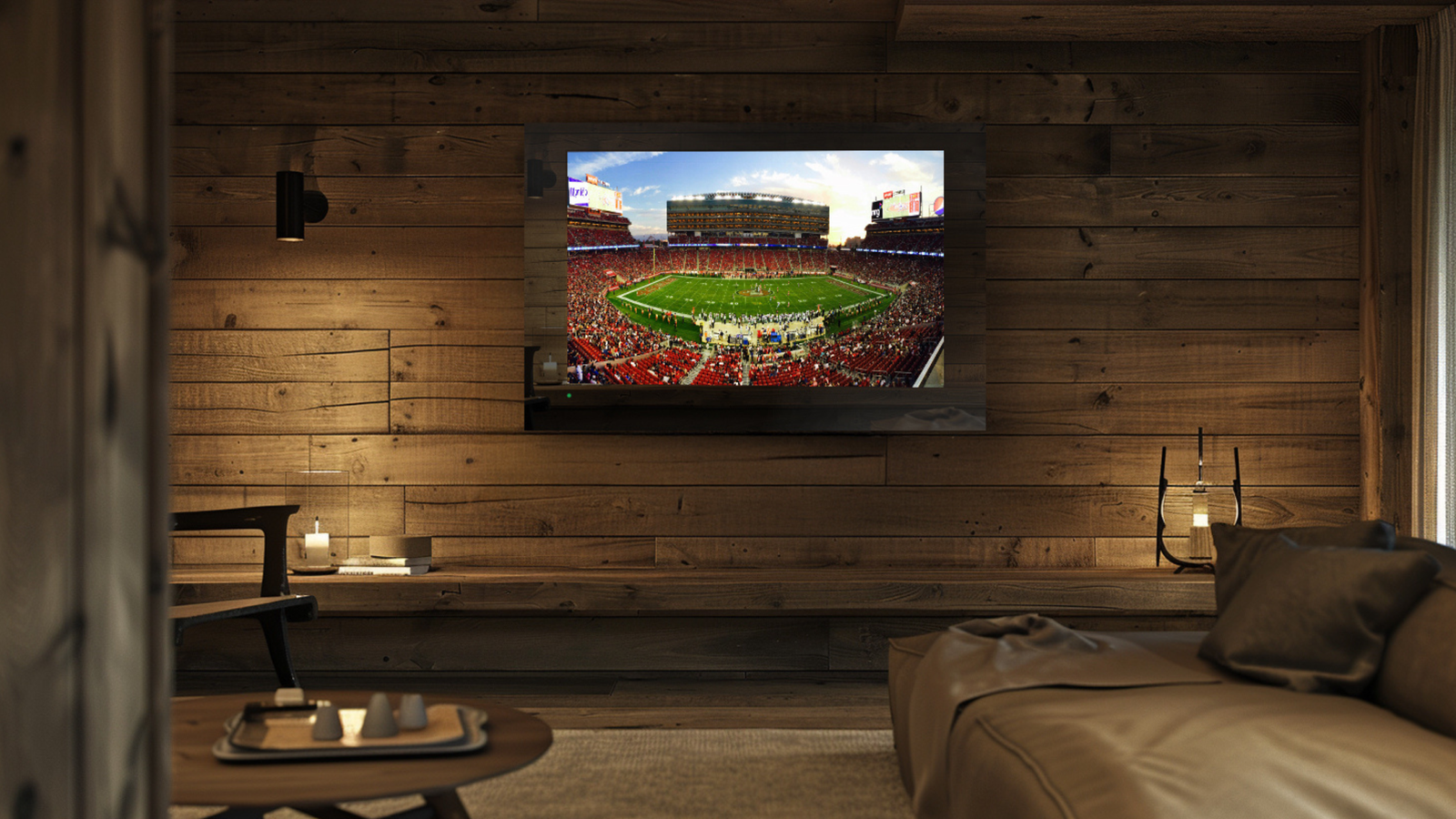
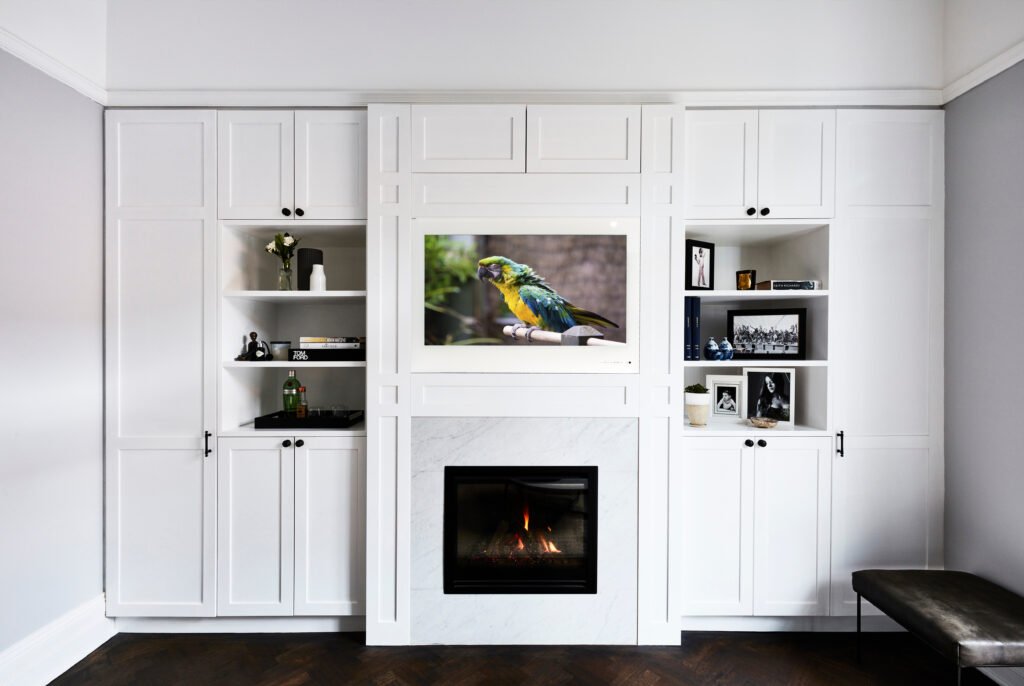
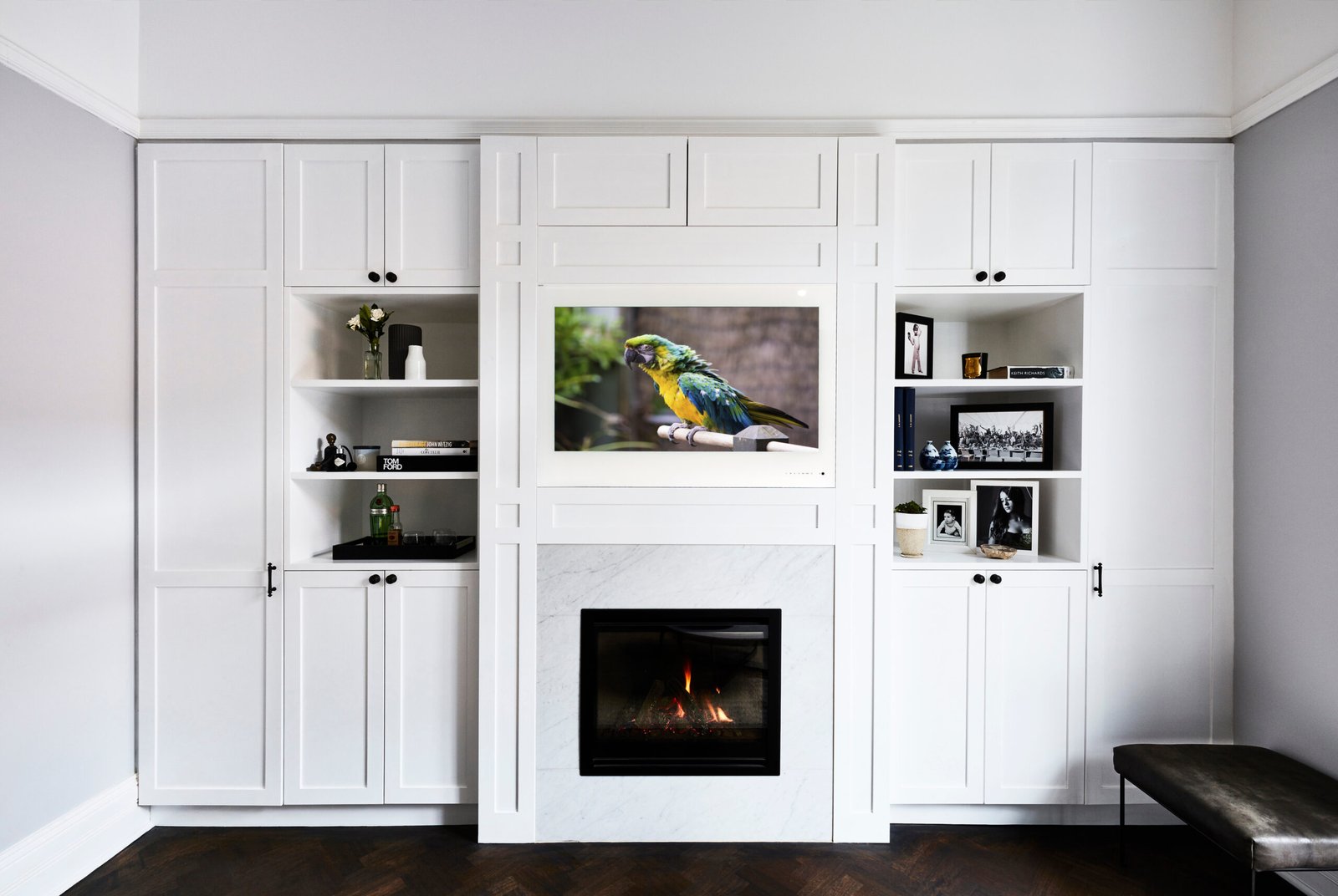
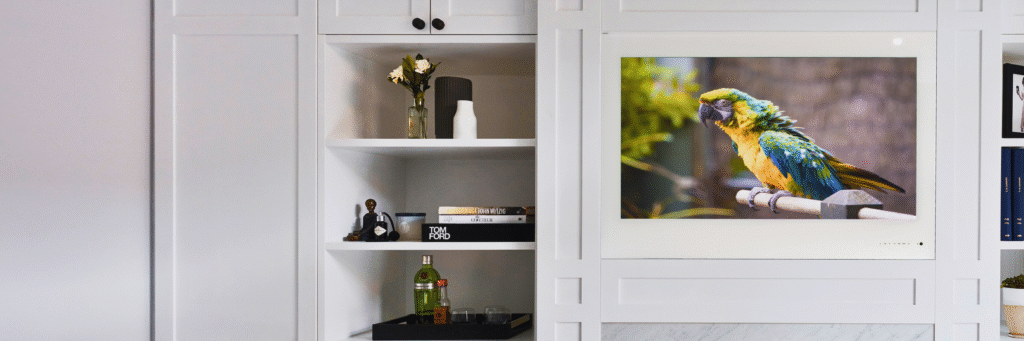
And the result is a built-in TV that looks intentional, seamless, and fully integrated into your room.
Questions?
If you have questions, we have answers. We’re here to help your install go as smoothly and beautifully as possible.