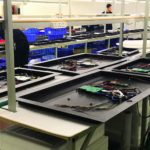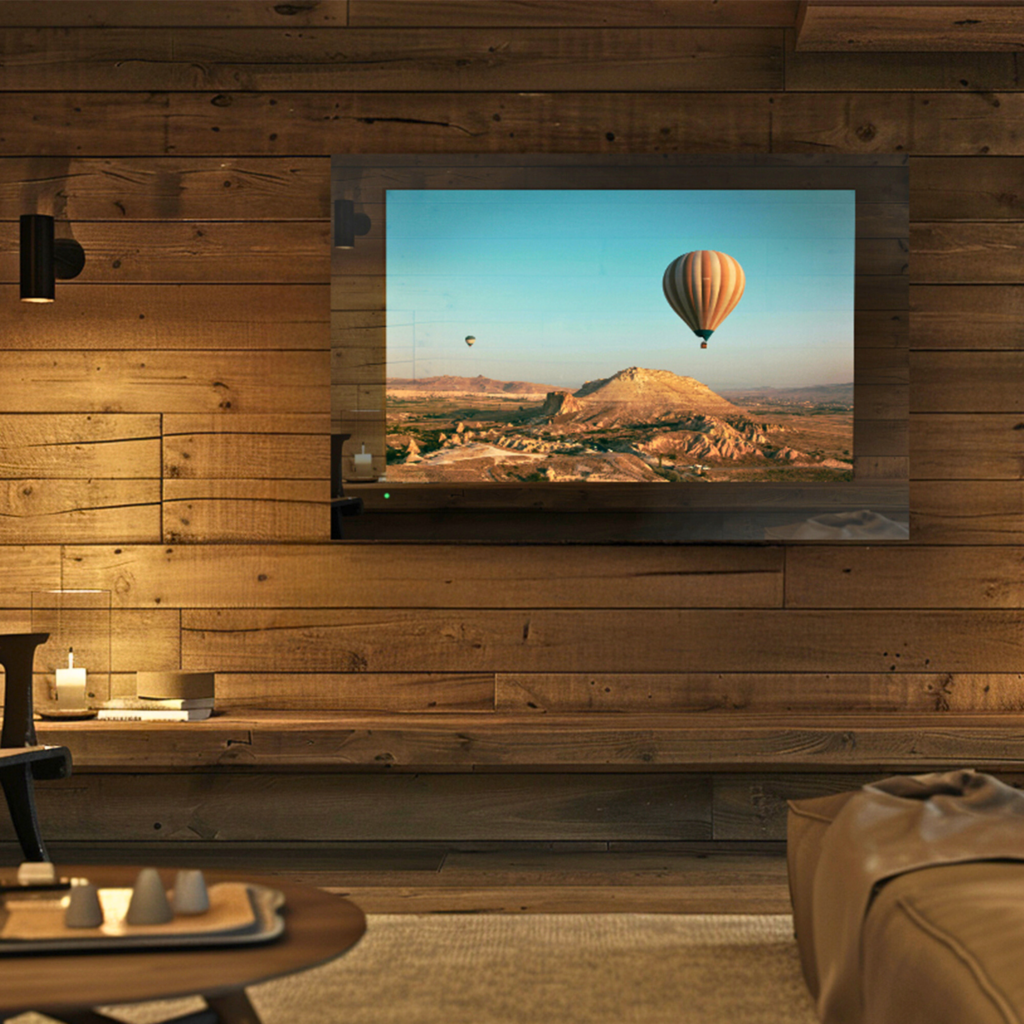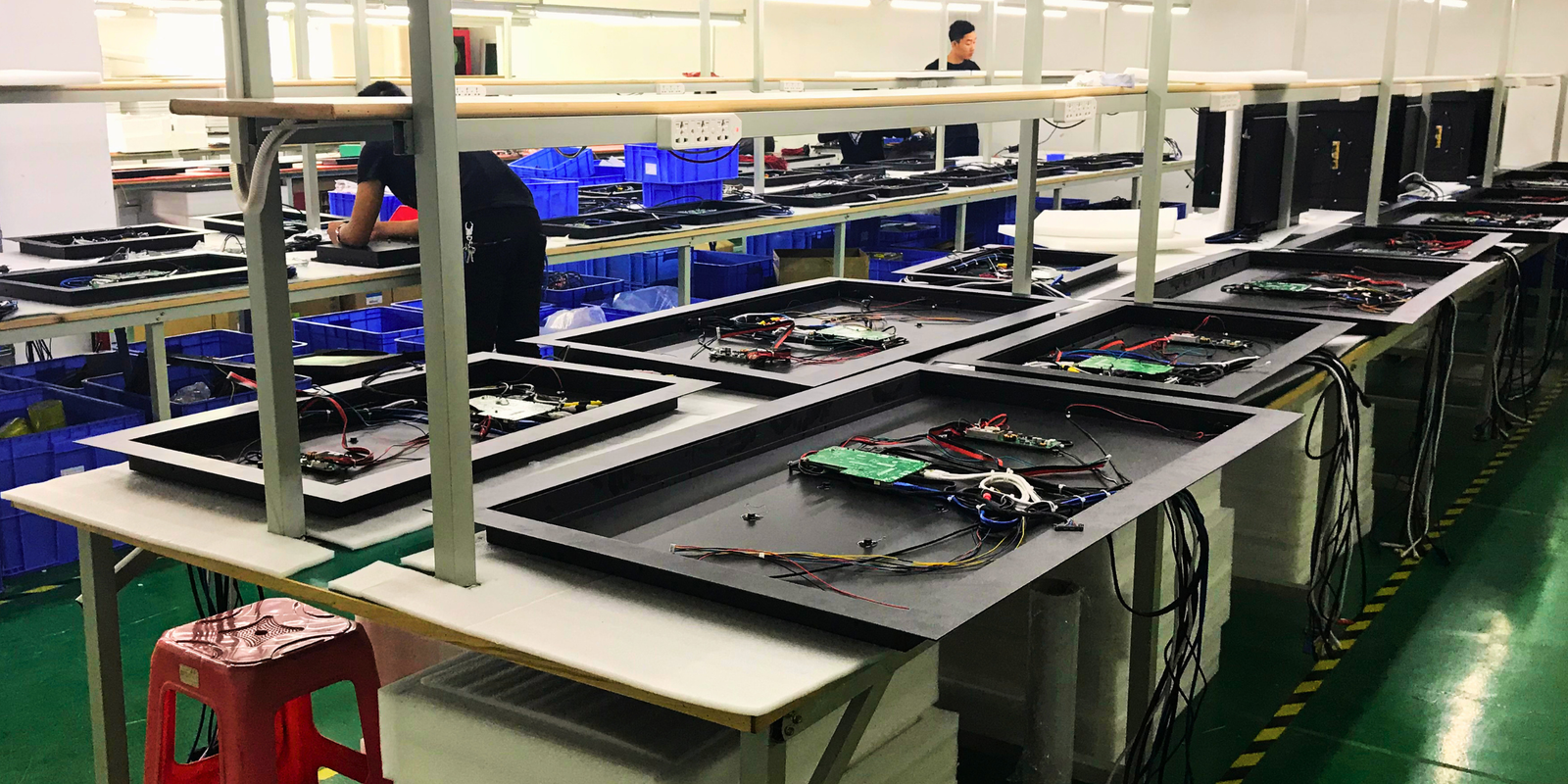
Most TVs are built on an automated assembly line, optimized for speed and volume, with quality standards set just high enough to keep returns manageable.
That’s not how we do it.
Every Parallel AV television is assembled by hand in our factory. Real people put them together, step by step, with parts selected to a standard that most consumer electronics manufacturers wouldn’t dare follow.
Step 1: It Starts with the Frame
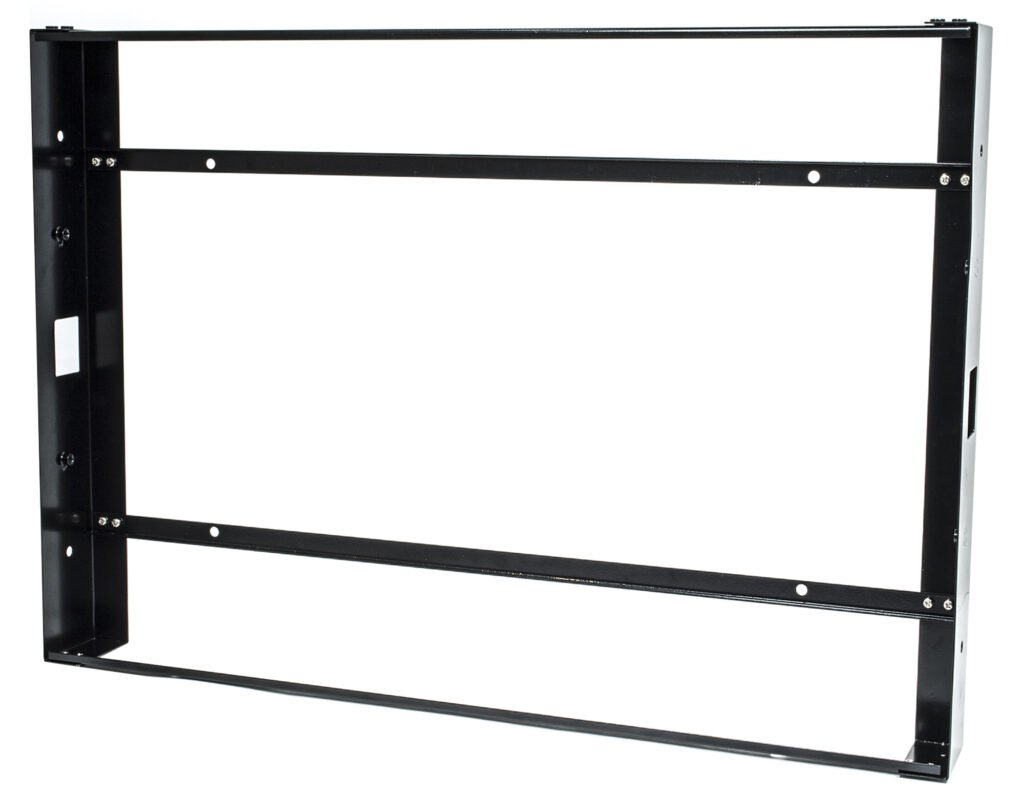
The steel frame, sealed at every gap with silicone, before assembly begins.
The foundation of every Parallel AV TV is a steel frame. Not plastic. Steel.
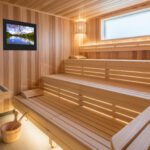
Every gap in your TV’s steel case is filled with silicone sealant by hand. This is the first line of defense in our TV’s IPX4 water and steam resistance. And it’s why our TVs handle bathroom steam, kitchen humidity, and sauna conditions the way they do. The protection isn’t a coating or a cover. It’s built in from step one.
Step 2: The Electronics Are Installed to Last, Not Just to Work
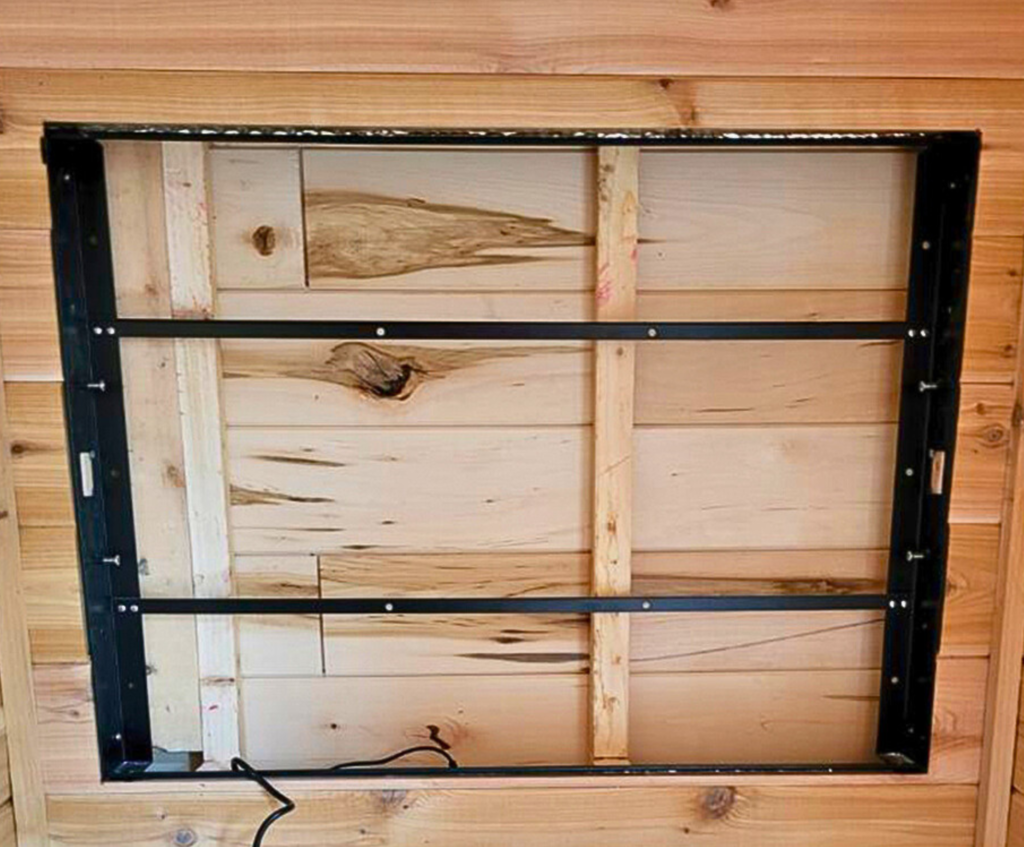
The metal mounting plate installed.
Next, the TV’s mainboard and connection cables are installed into the steel case by hand. The main chipset is covered with thermal paste and an aluminum heat sink, connected directly to the steel frame. Because of this, heat from the chipset transfers into the frame and dissipates, which is why our TVs run in high-temperature environments without overheating. Here’s a deeper look at how our sauna TVs handle the heat.
Mainboard and cables installed by hand into the sealed steel case.
The metal plate system also means our TVs can be updated to accommodate new mainboards as technology evolves. The platform is designed to adapt, not to be replaced.
Step 3: The A+ Grade, Ultra-Bright, Zero Dead Pixels Panel
All of our Ultra-Bright TV panels are hand-inspected for perfect performance before assembly.
Before any panel goes into our inventory, it is inspected individually by hand.
The consumer TV industry commonly accepts up to five dead pixels before a screen is considered acceptable. We use A+ grade, ultra-bright panels. A+ literally means zero dead pixels. None. If we find one dead pixel on any panel, it doesn’t go into a Parallel AV television.
The Ultra-Bright TV panel is carefully hand-sealed into the steel frame.
Once a panel passes inspection, it’s installed into the TV’s steel case by hand, seated carefully into the frame alongside the electronics already in place.
Step 4: Invisible Resonance Speakers are Attached
Vibration speakers are attached directly to the pre-inspected glass panel.
Most waterproof TVs cut holes in the front glass or add grille openings in the housing for speakers. It works, but it compromises both waterproofing and opportunities for flush-to-the-wall installation.
We take a different approach. Our invisible vibration speaker mechanism is bonded directly to the back of the glass by hand — two speaker units, precisely positioned, secured to the glass surface itself. The glass then becomes the speaker, vibrating to produce sound with no holes, no grilles, nothing visible from the front. The screen remains completely sealed, which is part of what makes our IPX4 certification work for both in-wall installations and on-wall mounts. And the sound? We tested it. Our vibration speaker TVs produce a smoother, more even frequency response than comparable mainstream models.
Step 5: Real Glass, Inspected Twice
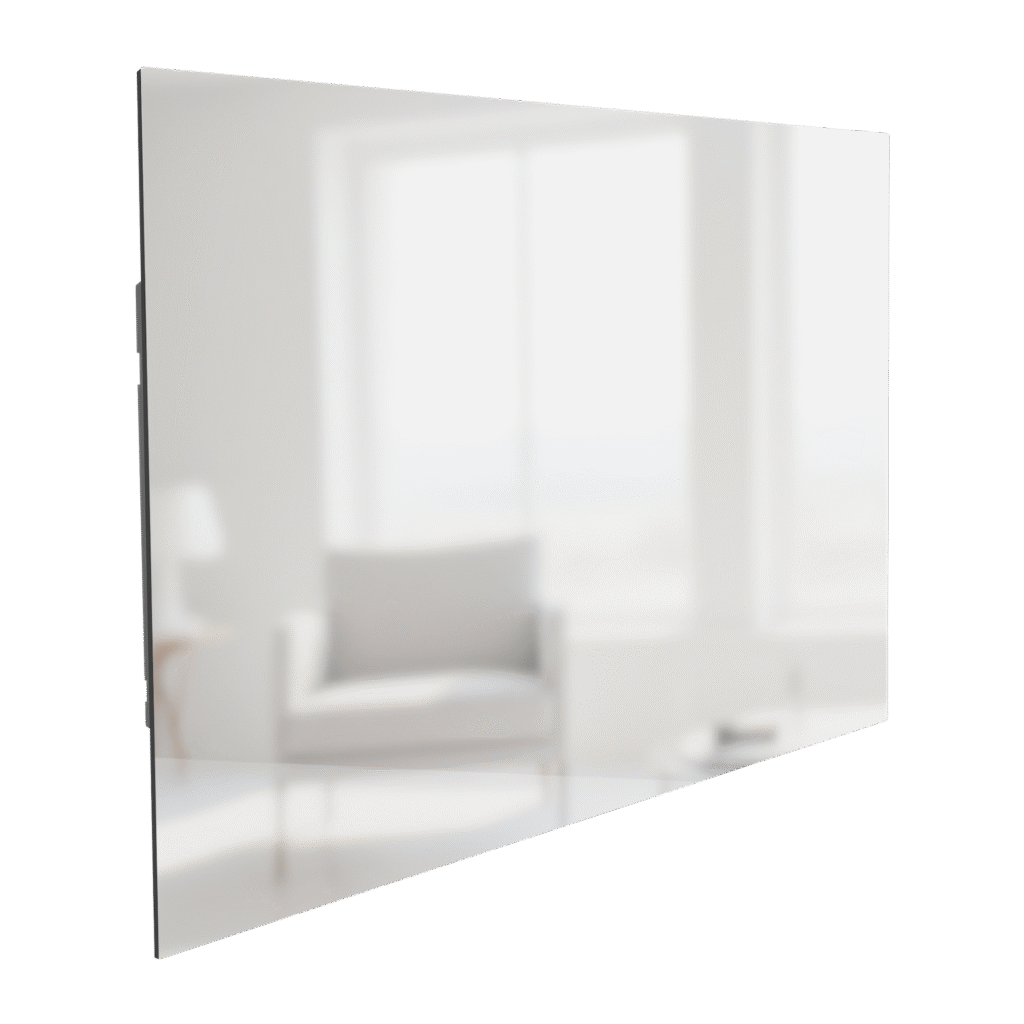
The Magic Mirror or tempered glass is sealed to the metal frame for added moisture and heat protection.
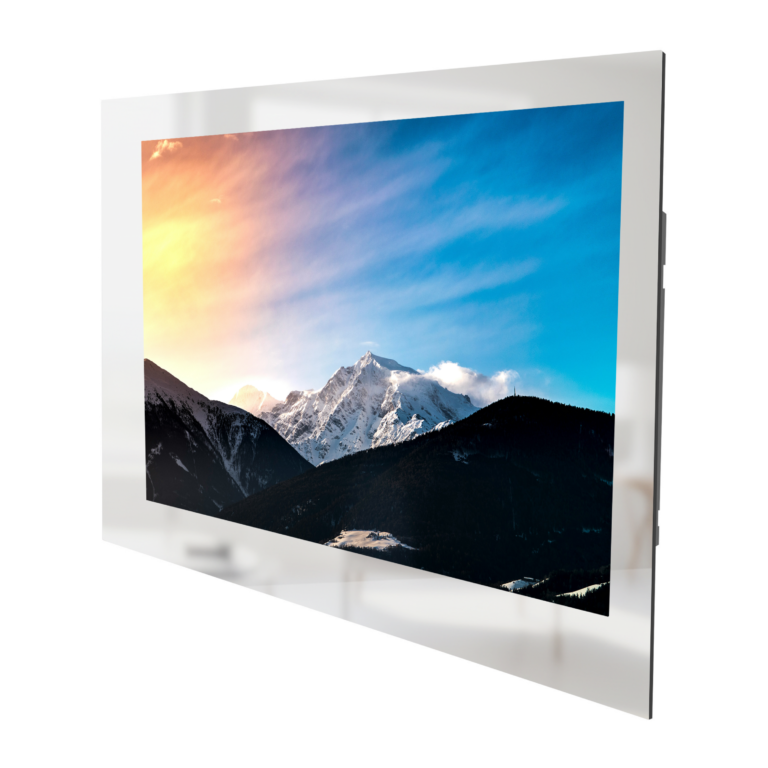
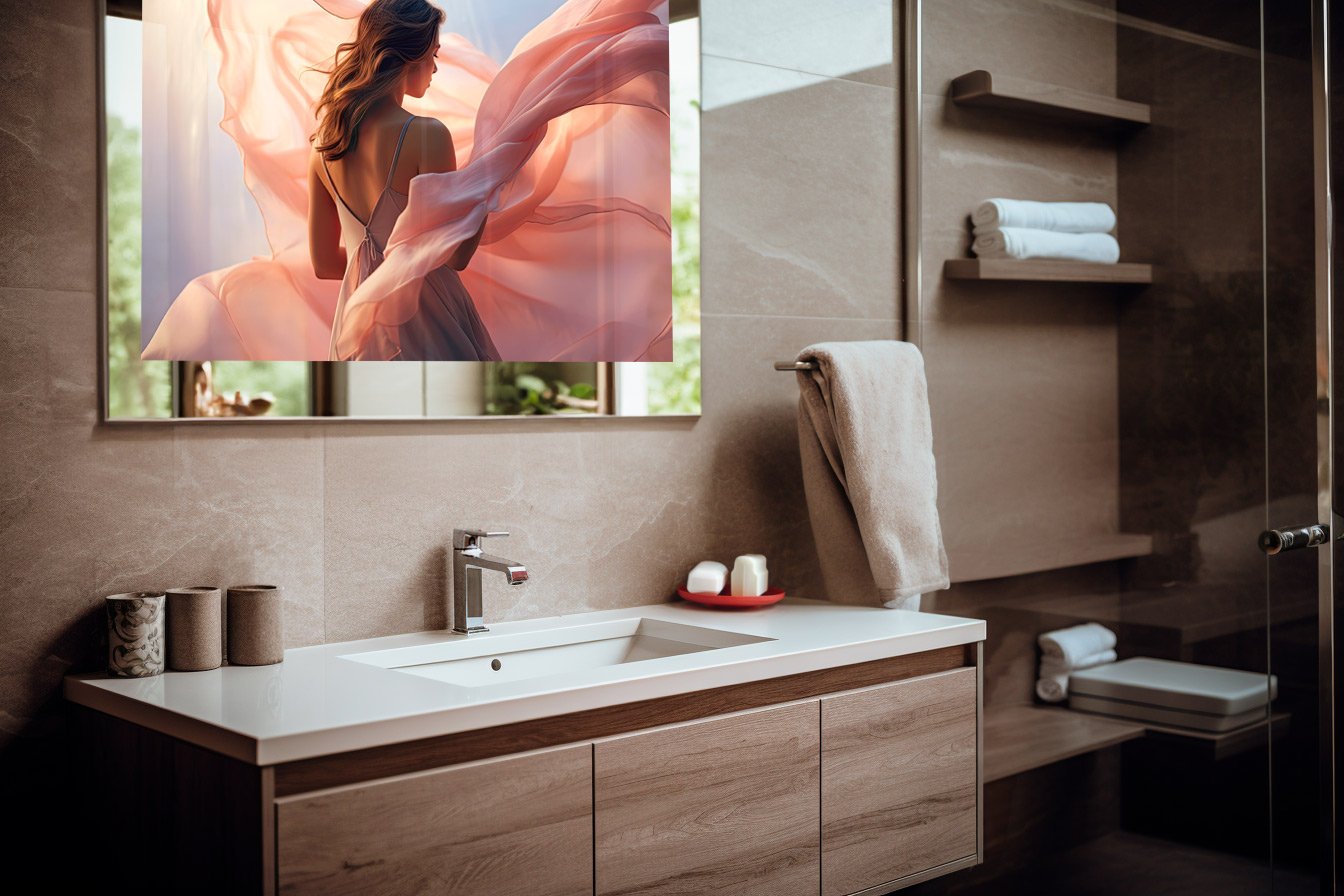
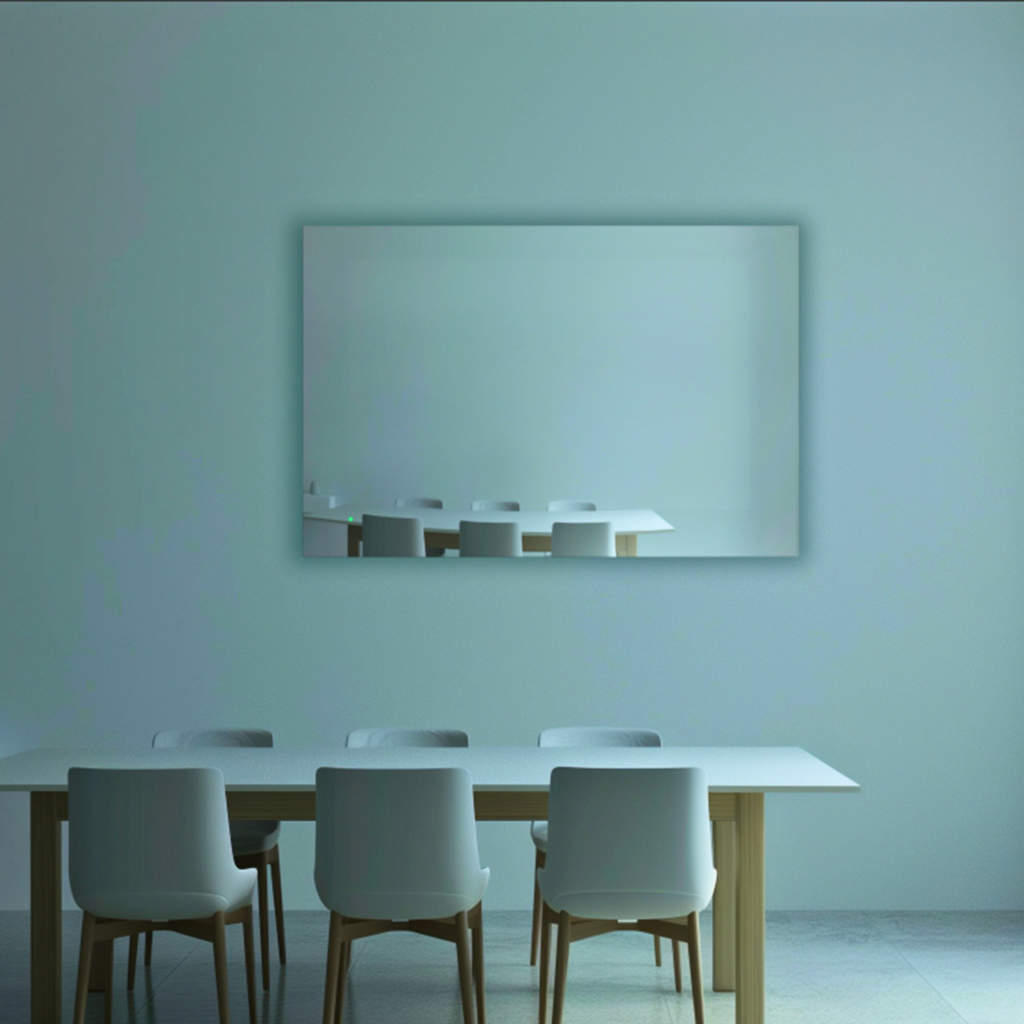
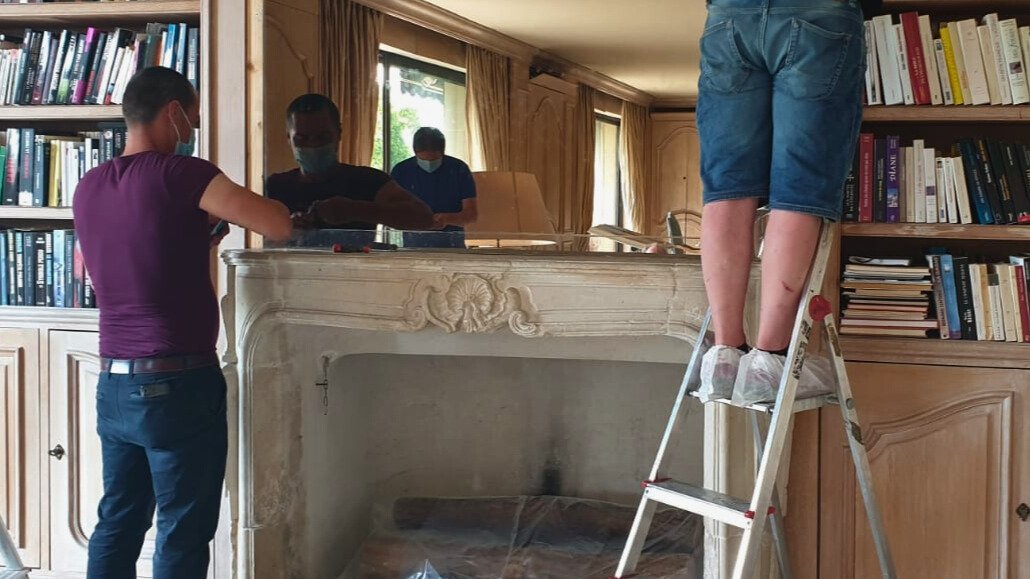
Most consumer TVs use plastic screens, or plastic-adjacent materials that are cheaper and easier to manufacture at scale. Our screens are real glass — tempered glass on our non-mirror models, and high-quality mirror glass on our Magic Mirror TVs.
Before any glass is built into a Parallel AV television, it’s inspected individually by hand. We check for dots, scratches, and any imperfections. Our standard is simple: perfect, or it doesn’t pass. Then, before the glass is installed onto the frame, we turn the TV on and inspect both the glass and the panel together one more time.
Step 6 — The Final Seal
The connection ports shown before the waterproof cover is fitted.
After the glass is placed on the frame, it’s secured with silicone sealant. The back of the TV’s connection ports gets the same treatment: silicone pads and a waterproof cover that seal them completely.
Every port is sealed and covered for protection against heat and water.
Most waterproof TV manufacturers leave their connection ports exposed on the back, meaning their “waterproof” claim only holds if the TV is installed in a wall with the back sealed by silicone against the wall surface. Our connection ports, on the other hand, are sealed by design. This makes our TVs IPX4-certified for on-wall mounting too, not just in-wall installation. That’s one of the things that sets our build apart.
Why All of This Matters
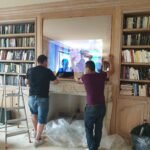
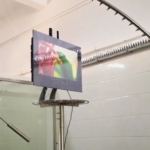
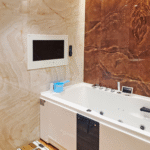
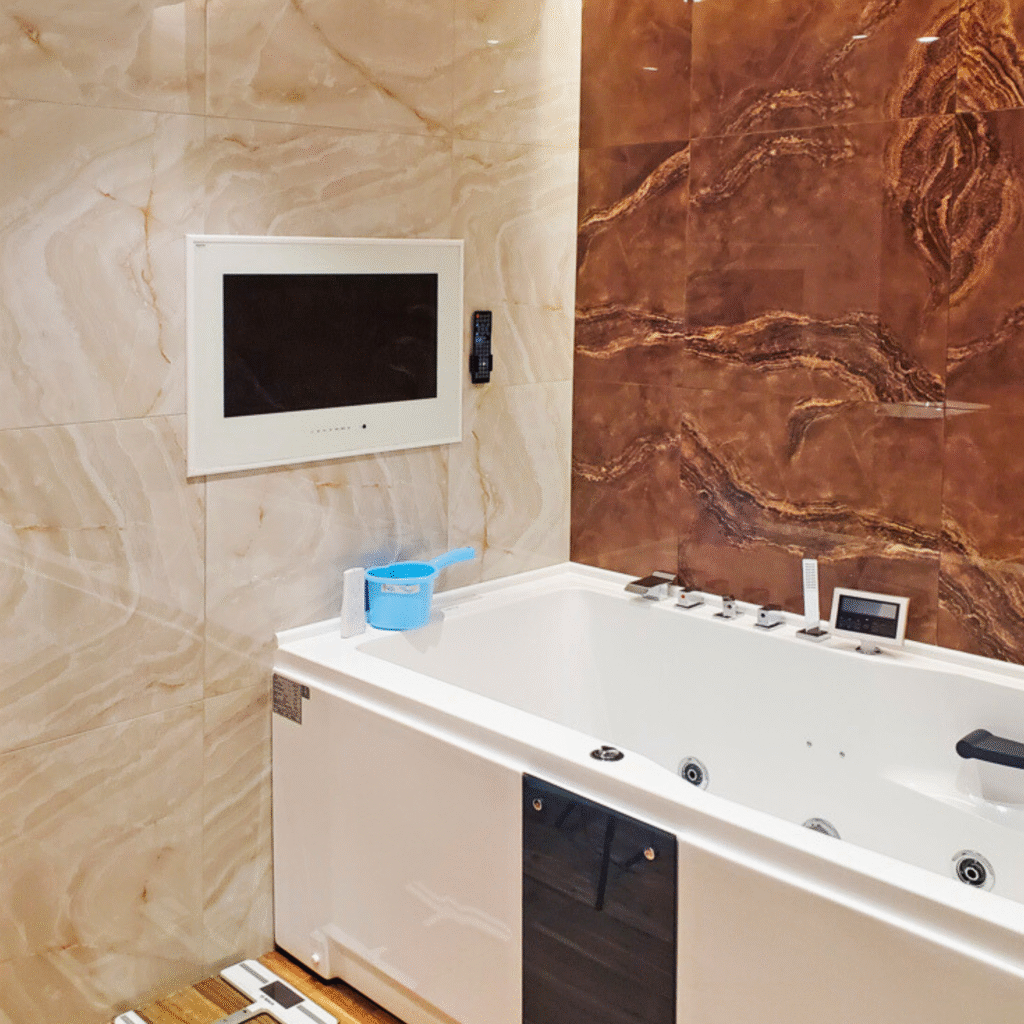
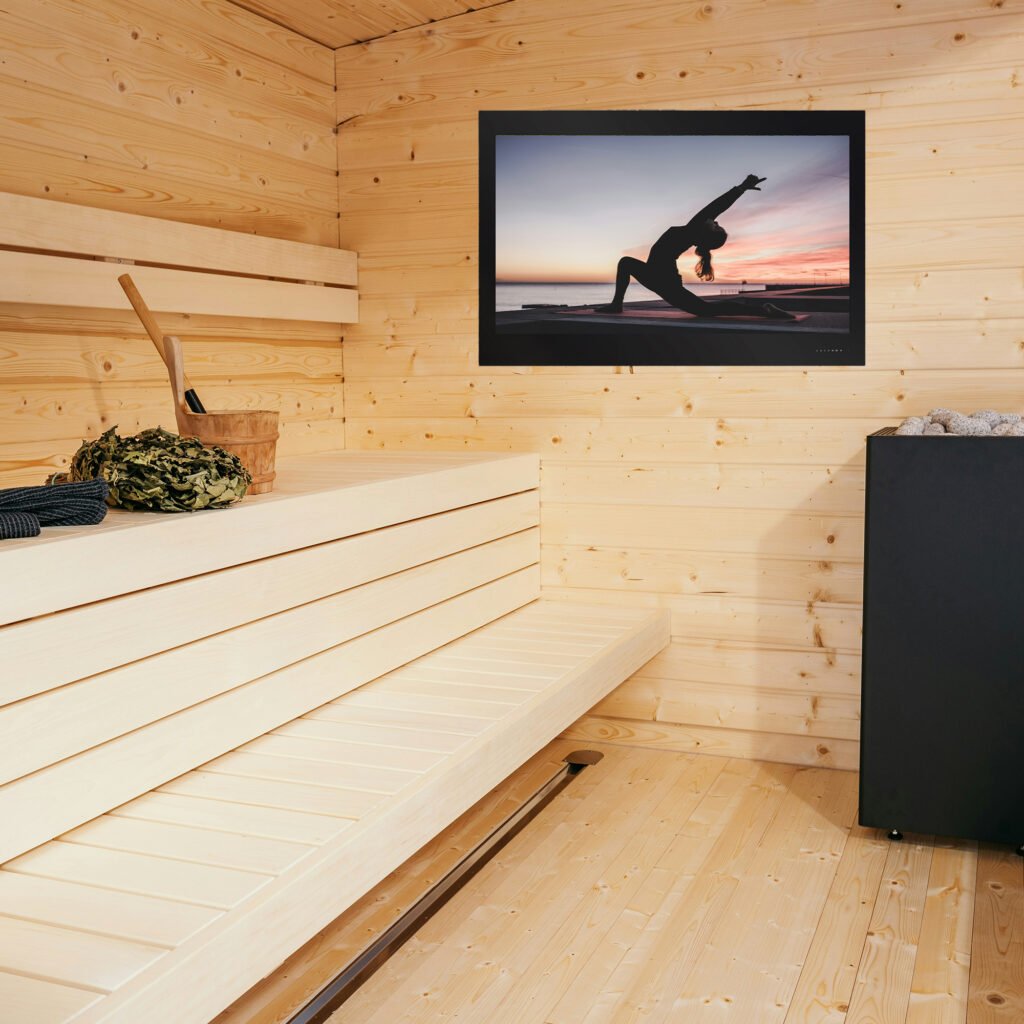
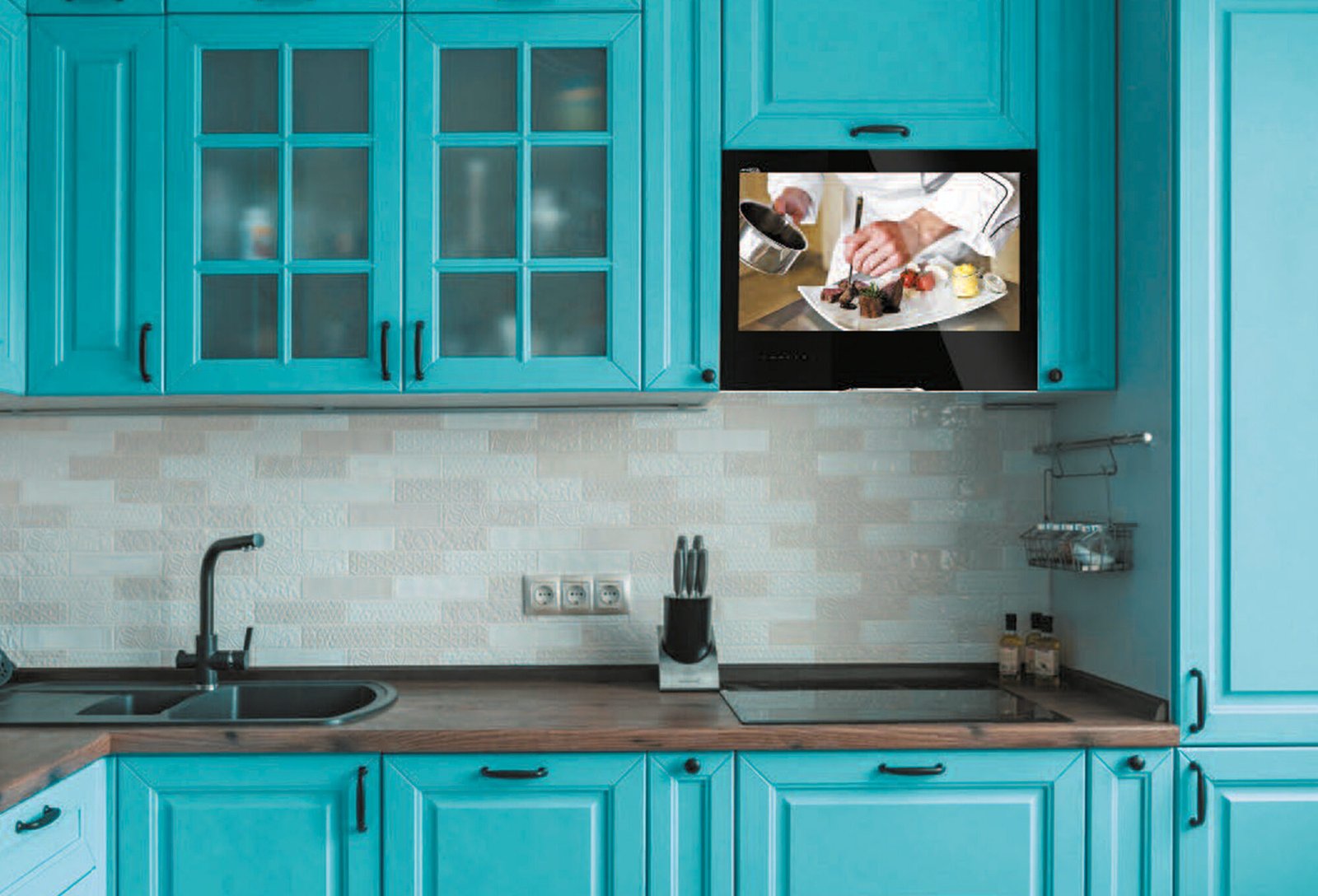
The level of care we build into our TVs shows up whether the TV is going into a demanding environment or a straightforward one. A sauna or bathroom demands a moisture-proof TV that can handle heat, steam, and humidity. Our build delivers that. But the same attention to quality also means that a Parallel AV TV going into a living room is simply a better-built television than what comes off a mass-production line. Real glass. Better panels. Better sealing. Built by people who check their work.
This is why our hand-built factory process matters so much to us, and to your home.


Questions about how our TVs are built, or whether one is right for your space? Give us a call or send a note — we’re happy to help.