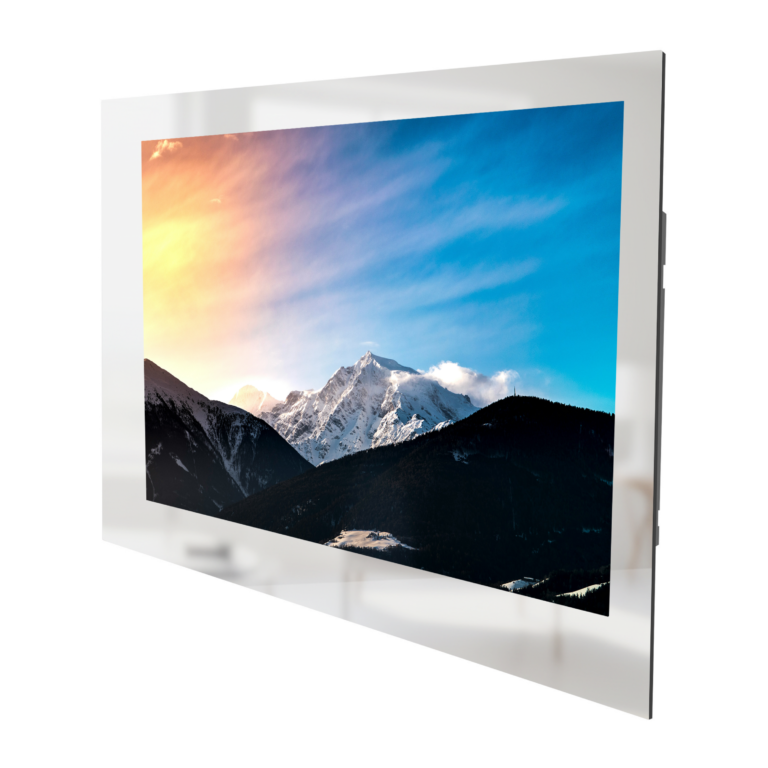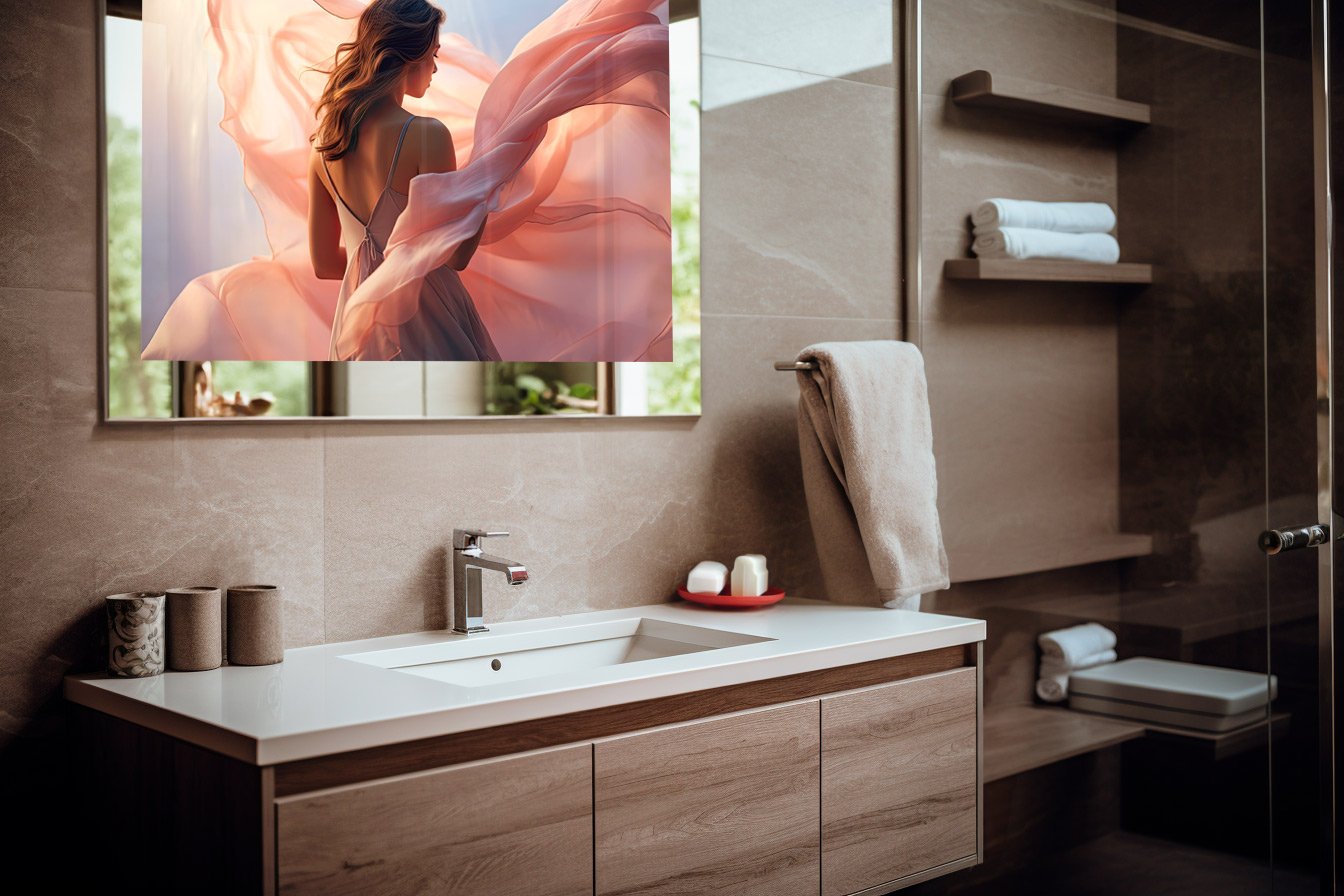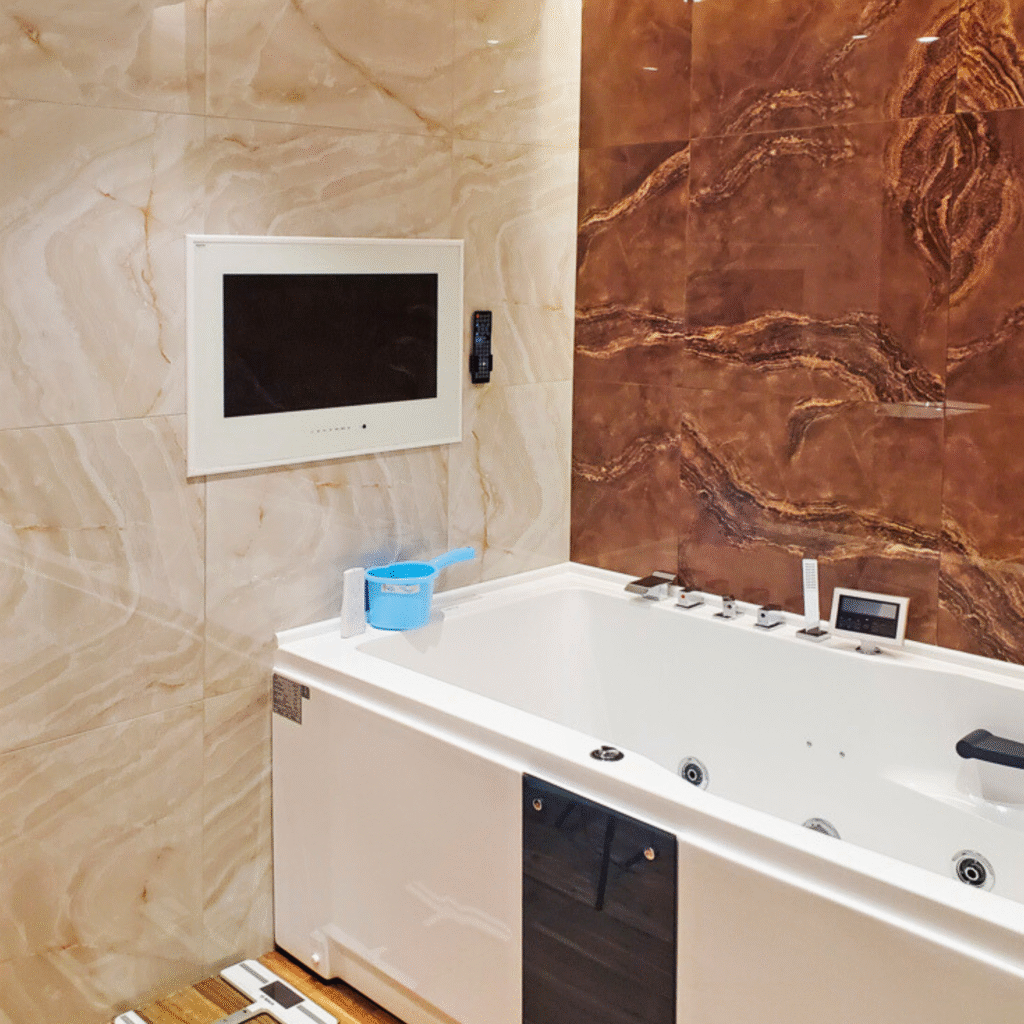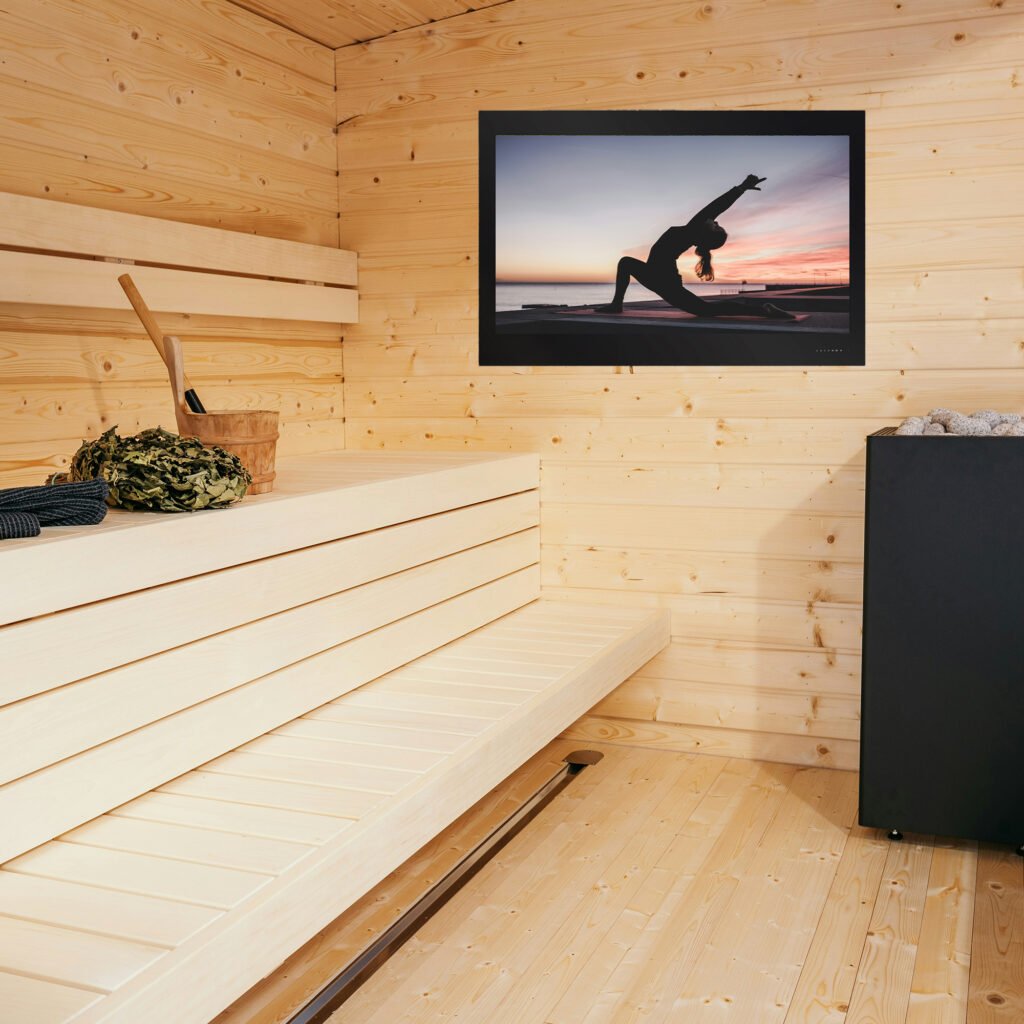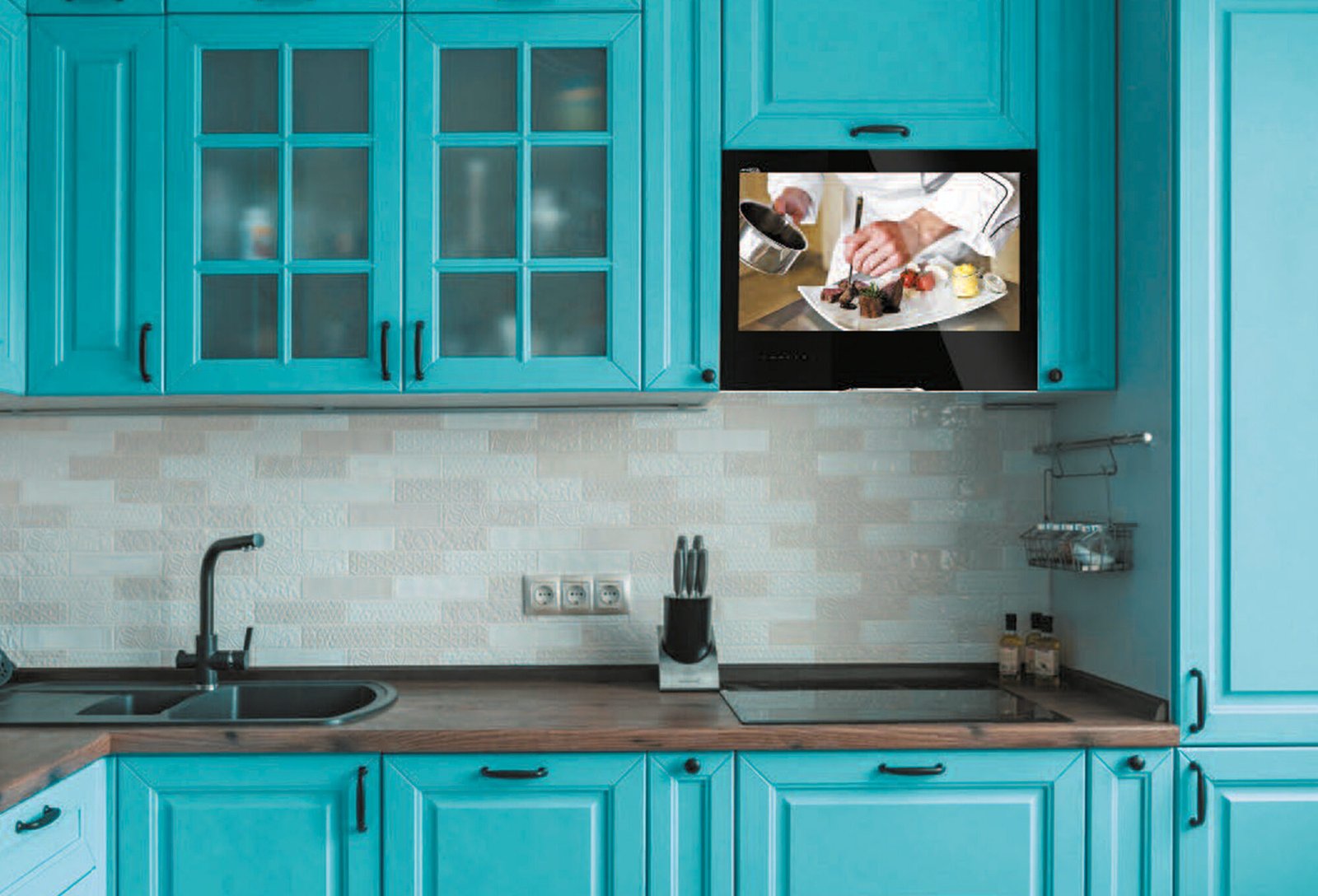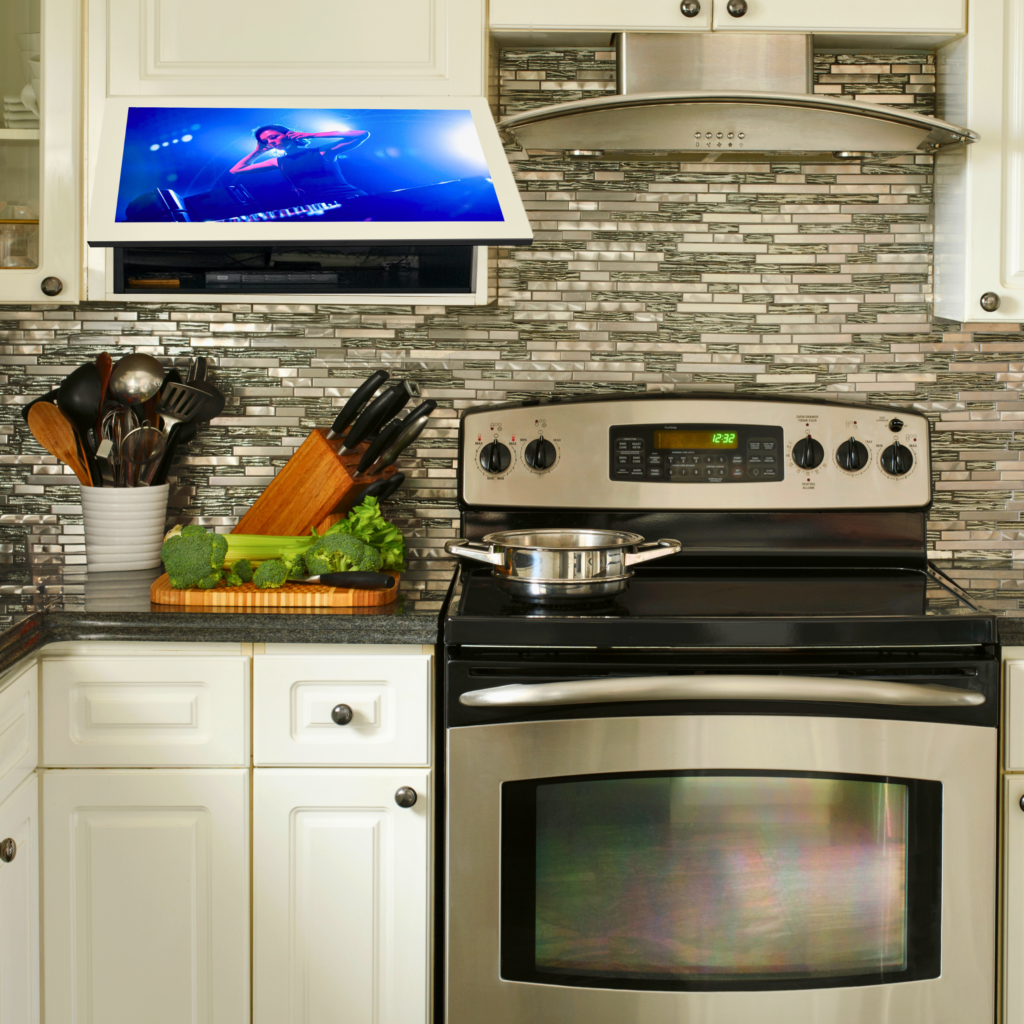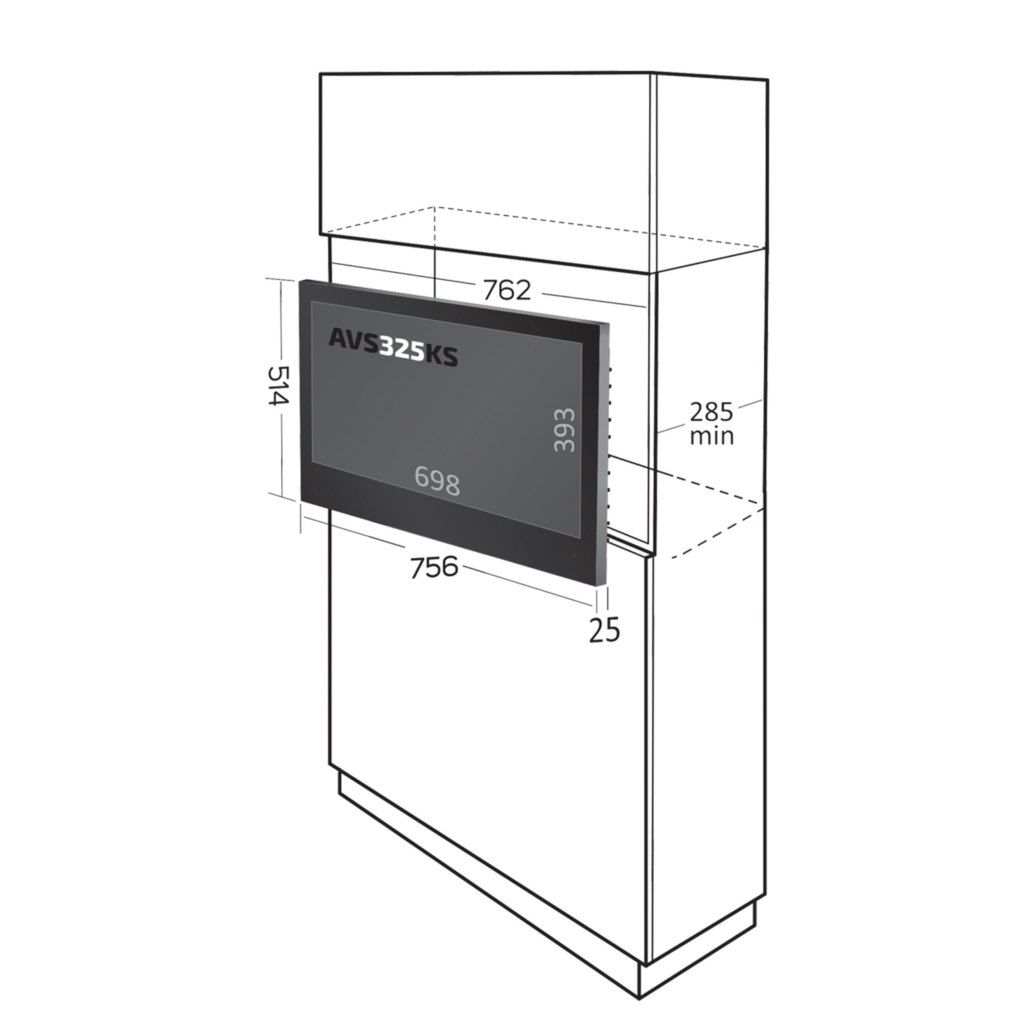
When people look at AVEL and Parallel AV TVs, they usually start with the design: mirror TVs, waterproof TVs, sauna TVs, kitchen cabinet TVs. What often comes next is a bit of skepticism:
“Okay, but do they actually sound good? I don’t see speakers anywhere.”
The short answer is: yes, they sound good. And we measured them to make sure.
Below is an explanation of how our TVs were tested, what the data shows, and why the results translate to better real-world sound.
What “Frequency Response” Really Means
Frequency response is a technical way of describing how evenly a speaker reproduces all the sounds you can hear, from low bass, to mid-range voices, to high treble.
- A smooth, even frequency response = balanced, natural sound
- Big peaks and dips = sound that feels thin, harsh, muddy, or inconsistent
So while frequency response isn’t the only factor in sound quality, it’s one of the clearest indicators of whether a TV will sound pleasant and accurate instead of distorted or hollow.
For most listeners, it’s safe to think of good frequency response as “better sound quality.”
How We Tested the Sound
To answer the sound-quality question objectively, we ran controlled frequency-response tests on multiple TVs:
- AVEL TVs with vibration speaker technology
- Popular premium TVs from Samsung (Q80) and LG (C1)
Each TV played a test tone that sweeps through the full audible range (20 Hz to 20 kHz). Specialized measurement equipment recorded how loudly and accurately each frequency was reproduced.
This creates a frequency-response chart — a visual way to see how balanced the sound really is.
What the Data Shows
AVEL TVs with Vibration Speakers Are More Balanced
Across multiple screen sizes, AVEL TVs using vibration speakers consistently showed a smoother, more even frequency response than mainstream TVs with conventional speakers.
Here’s the frequency response chart for the AVEL AVS325KS television. You’ll see a relatively flat frequency response across the spectrum, with only one significant spike around 12k.
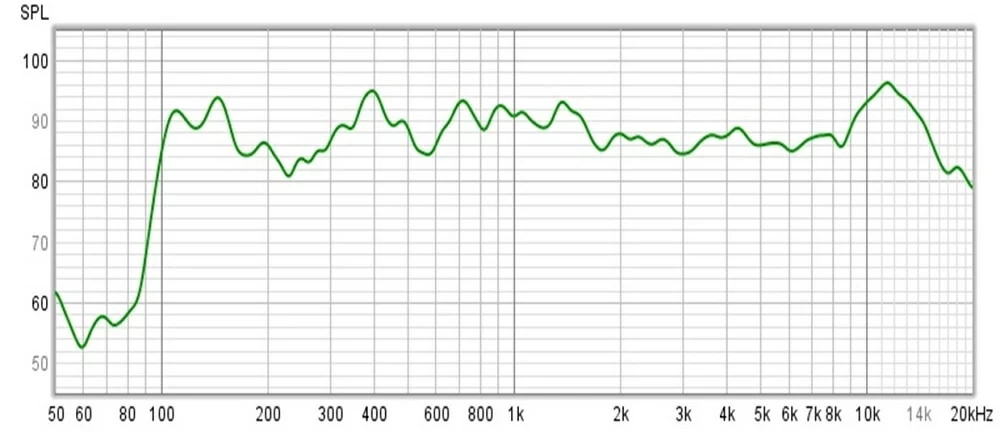
This is visible in the frequency-response charts, where AVEL vibration-speaker models form a steadier curve instead of a jagged one.
Comparison with Samsung and LG
When compared directly with the Samsung Q80 and LG C1, AVEL vibration-speaker TVs held their own — and in many areas outperformed them in overall balance. You’ll notice larger spikes and dips in the Q80 and C1 charts.
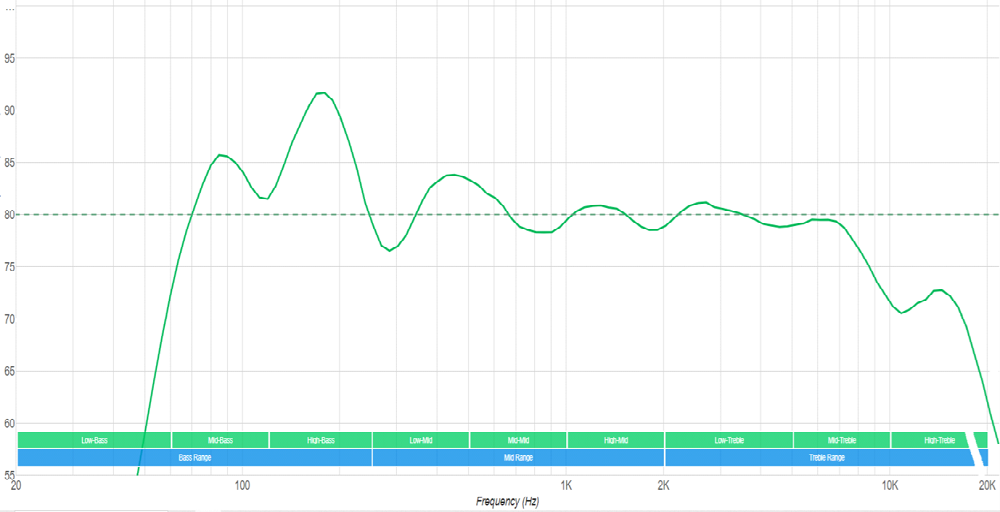
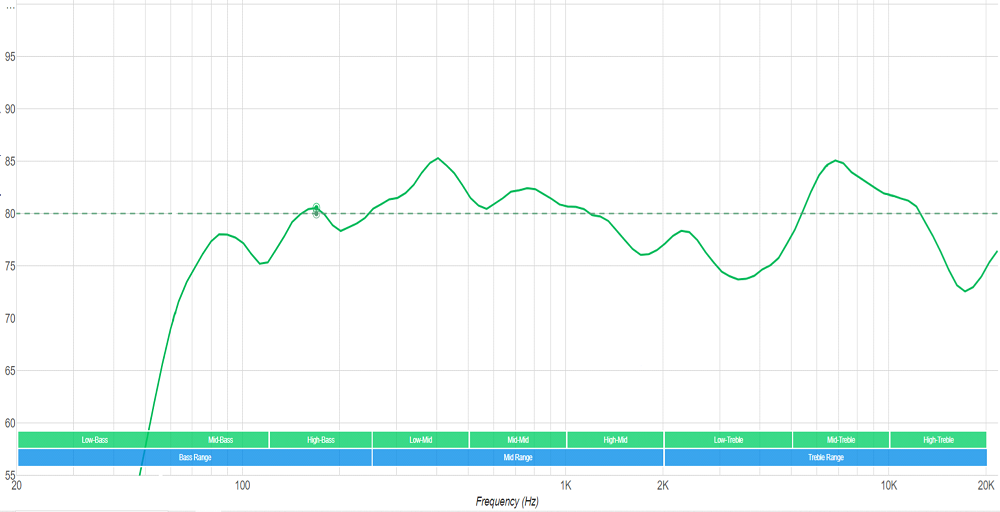
While some mainstream TVs boost certain frequencies (like bass or treble) to sound impressive in a showroom, the AVEL vibration-speaker models produced more even sound across the full range, which typically sounds better over long-term, real-world viewing.
In practical terms, the AVEL model demonstrated:
- Fewer sharp spikes (less harshness)
- Fewer deep dips (less missing sound information)
- More consistent output across bass, mids, and highs
Why Vibration Speakers Make a Difference
Unlike traditional speakers that rely on small cones inside the TV, vibration speakers use the TV’s surface itself to help produce sound.
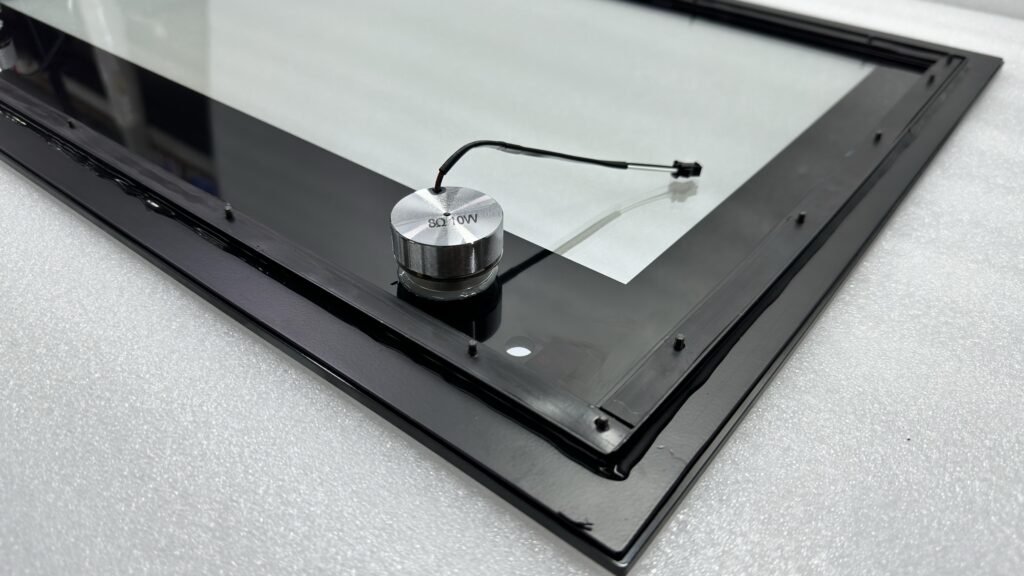
This design:
- Distributes sound more evenly
- Reduces distortion caused by tiny speaker enclosures
- Improves mid-range clarity (especially dialogue)
- Supports waterproof and sealed TV designs
The result is sound that feels fuller and more natural.
So… Do AVEL TVs Actually Sound Good?
Based on objective testing:
- AVEL TVs with vibration speakers demonstrate better frequency response
- Better frequency response generally means better overall sound quality
- Dialogue is clearer, sound is more balanced, and listening fatigue is reduced
Will a built-in TV speaker replace a high-end surround system? No — but neither will any other TV.
But for a premium, design-friendly television — especially one built for bathrooms, kitchens, or saunas — AVEL TVs deliver sound quality that is measurably strong and subjectively satisfying.
In other words: they don’t just look good — they sound good, too.
Even if you can’t see the speakers.